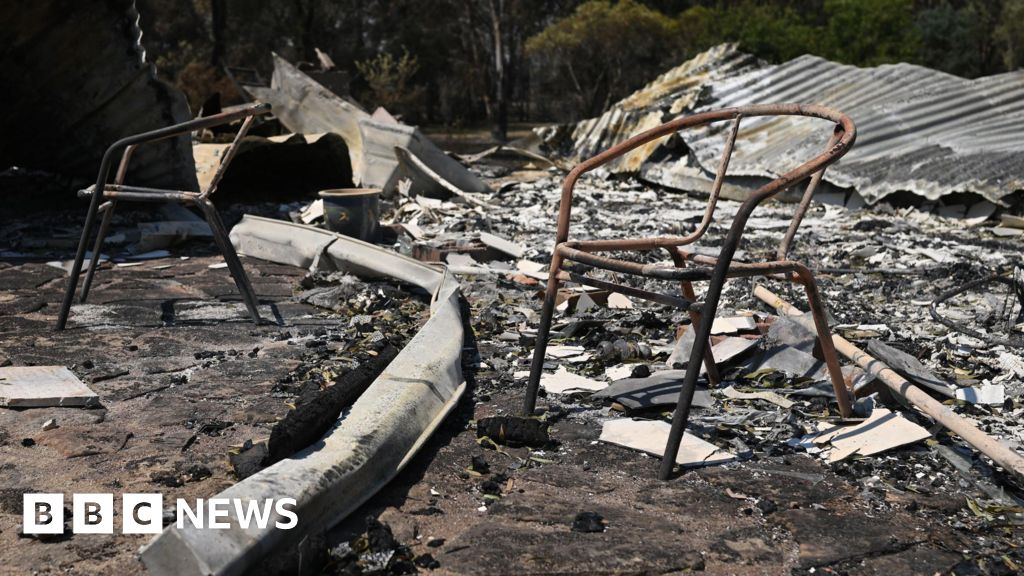
Severe bushfires across south‑east Australia, primarily Victoria, have killed one person, destroyed roughly 300 homes and buildings and burnt about 350,000 hectares as of early Sunday; authorities report 30 active fires (10 of highest concern) and a state of emergency with more than 70 aircraft and thousands of firefighters deployed. The blazes are expected to persist for weeks, degrading air quality in Melbourne and driving localized property losses and likely elevated insurance and reconstruction spending, while weighing on regional economic activity and infrastructure in affected communities.
Market structure: Direct losers are Australian P&C insurers (IAG.AX, QBE.AX) facing elevated claims and potential premium increases; winners are local building-materials and contractors (JHX.AX, BLD.AX, CSR.AX) and global reinsurers (SREN.SW, MUV2.DE) if reinsurance pricing hardens. Rebuild demand should boost demand for cement/steel/timber for 3–12 months while insurers suffer margin compression and potential policy non-renewals in affected postcodes.
Risk assessment: Tail risks include government-mandated premium caps or insurer nationalization (low probability, high impact) and a reinsurance capital squeeze that raises rates >10% at next renewal (3–12 months). Immediate (days) issues are claim notification and local supply constraints; short-term (weeks–months) are earnings revisions and rate filings; long-term (years) are higher rates, stricter building codes and permanent property repricing.
Trade implications: Tactical opportunities include long building-materials and selected reinsurers vs short domestic insurers; expect a 10–30% re-rating window within 3–12 months depending on government rebuild spend and reinsurance renewal outcomes. Cross-asset: short AUD vs USD on risk-off and buy short-dated insurer puts; limited impact on commodities other than localized timber/steel/cement tightening.
Contrarian angles: Consensus underestimates fiscal rebuild upside — a AUD 300–500m+ Victorian package would amplify materials winners; conversely, market may over-penalize insurers if insurer hedges/reinsurance limit net retained losses. Historical parallels (2019–20 fires) show initial panic then selective rerating; watch reinsurance renewals and government policy as primary reversal catalysts.
AI-powered research, real-time alerts, and portfolio analytics for institutional investors.
Request DemoOverall Sentiment
moderately negative
Sentiment Score
-0.62
