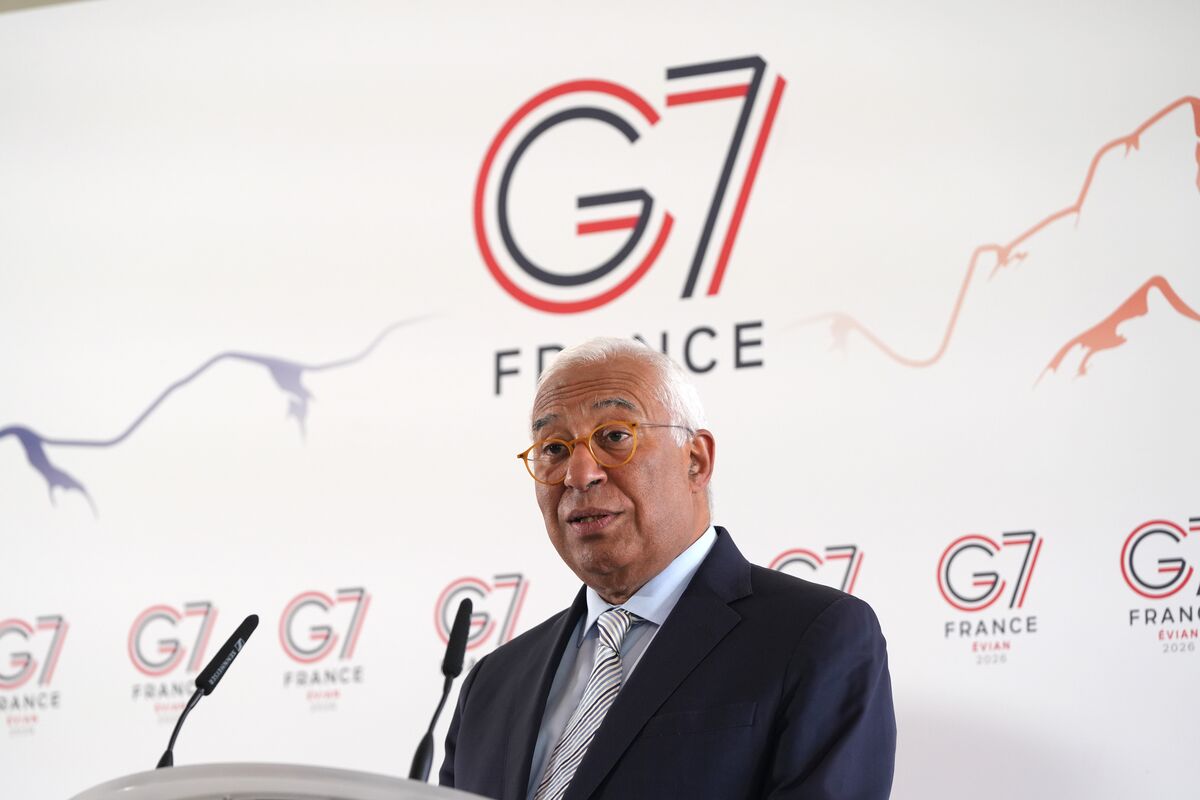
European Council President Antonio Costa has reportedly opened a back channel to the Kremlin, with his top adviser holding two calls with a senior Russian official close to Vladimir Putin. The aim is to prepare future substantive talks on ending the war in Ukraine. The development is geopolitically significant but does not yet indicate a concrete policy shift or ceasefire breakthrough.
A credible back-channel raises the probability of a negotiated de-escalation, but the market’s first-order read is likely to miss the second-order effect: even weak diplomatic process can suppress the risk premium embedded in European defense and energy-sensitive assets long before any ceasefire is reached. That means the tradeable move is not “peace” vs “war,” but a gradual compression in tail-risk pricing as headlines shift from battlefield escalation to procedural diplomacy. The biggest beneficiary is not necessarily Russia-sensitive equities, but any asset class that has been forced to carry a persistent geopolitical hedge.
The main loser set is European defense, especially names with high multiples justified by an assumed multi-year rearmament cycle. If investors begin to price even a 10-20% probability that incremental urgent replenishment orders get delayed by 6-12 months, near-term sentiment can de-rate sharply even if defense budgets stay structurally elevated. The more subtle knock-on is for industrials and transport exposed to Europe’s elevated risk premium: lower war-risk should support capex confidence, but only after the market believes talks are real rather than tactical signaling.
Contrarianly, this is more likely to be an option value event than a regime change. Back-channels often fail, and a failed attempt can actually harden positions on both sides, which would re-expand volatility within days to weeks. The asymmetric setup is that the downside for risk assets is capped if talks stall, but the upside in defense and energy hedges is meaningful if the dialogue is interpreted as a path toward frozen conflict rather than peace settlement; in that case, headline beta could unwind over 1-3 months.
AI-powered research, real-time alerts, and portfolio analytics for institutional investors.
Request DemoOverall Sentiment
neutral
Sentiment Score
-0.05
