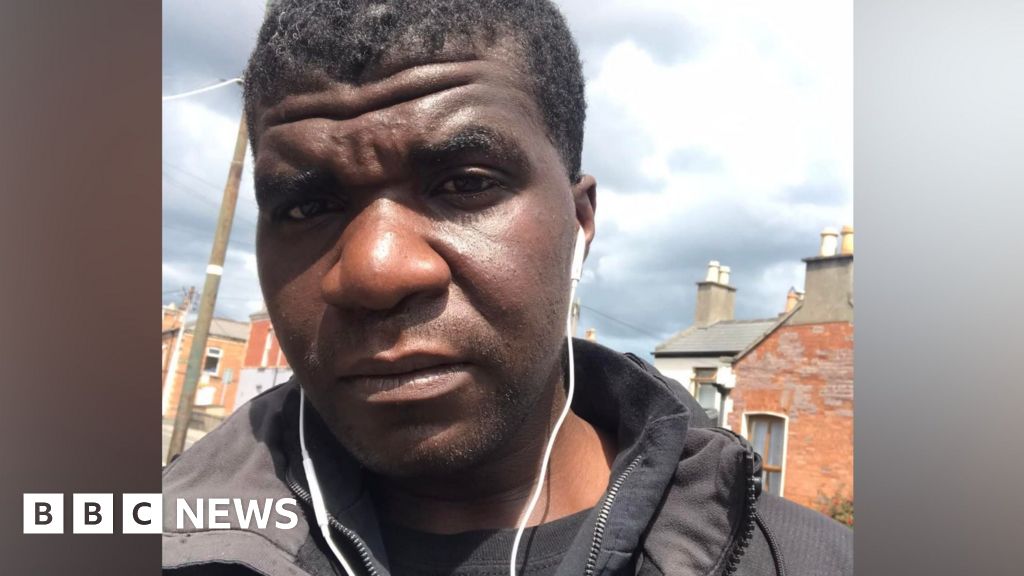
A 35-year-old man, Yves Sakila, died after being detained by security guards outside Arnotts in Dublin following an alleged shoplifting incident, prompting an ongoing police investigation and referral to the police ombudsman. Irish leaders, including Taoiseach Micheál Martin and justice minister Jim O'Callaghan, have called for a thorough inquiry, while protests and a vigil are planned outside parliament. Arnotts says it is conducting a full review and cooperating with authorities.
The immediate market issue is not the headline itself but the probability of a fast-moving reputational event converting into a tangible operating drag for Irish retail. High-traffic urban flagships are vulnerable to a “safety premium” shock: even without broad consumer boycott behavior, footfall can soften for weeks as shoppers substitute to competitors, e-commerce, or delay discretionary trips into the city center. The first-order economic hit is likely concentrated in the store involved, but the second-order effect is wider: any retailer outsourcing loss-prevention to third parties now faces higher legal, training, insurance, and oversight costs.
The more important medium-term risk is regulatory spillover. If the investigation finds procedural failures, expect a tightening of private security protocols, mandatory de-escalation training, and more restrictive detention guidance for retail guards. That raises friction costs across the sector and could force margin compression in stores that already run thin SG&A buffers. It also increases the probability of civil claims, which can remain dormant for months before becoming a larger earnings surprise than the initial public-relations hit.
Consensus may be underestimating how quickly this can evolve from a single-incident story into a broader governance issue for urban retail landlords and department-store operators. If protests persist or the case becomes a national symbol, the damage may shift from store-level traffic to brand trust, particularly among younger and minority consumers in Dublin. Conversely, if authorities move quickly, preserve evidence, and communicate visibly, the sentiment shock should fade within 2-6 weeks; the key variable is not outrage intensity but whether the process appears independent and credible.
From a positioning standpoint, this is better expressed as a relative-value short than a blunt directional macro trade. The tradeable edge is in names with concentrated flagship exposure and limited online substitution, versus retailers with more diversified geography or digital mix. The setup also argues for watching insurance and private-security vendors for delayed liability repricing if the inquiry points to systemic failures.
AI-powered research, real-time alerts, and portfolio analytics for institutional investors.
Request DemoOverall Sentiment
strongly negative
Sentiment Score
-0.70
