
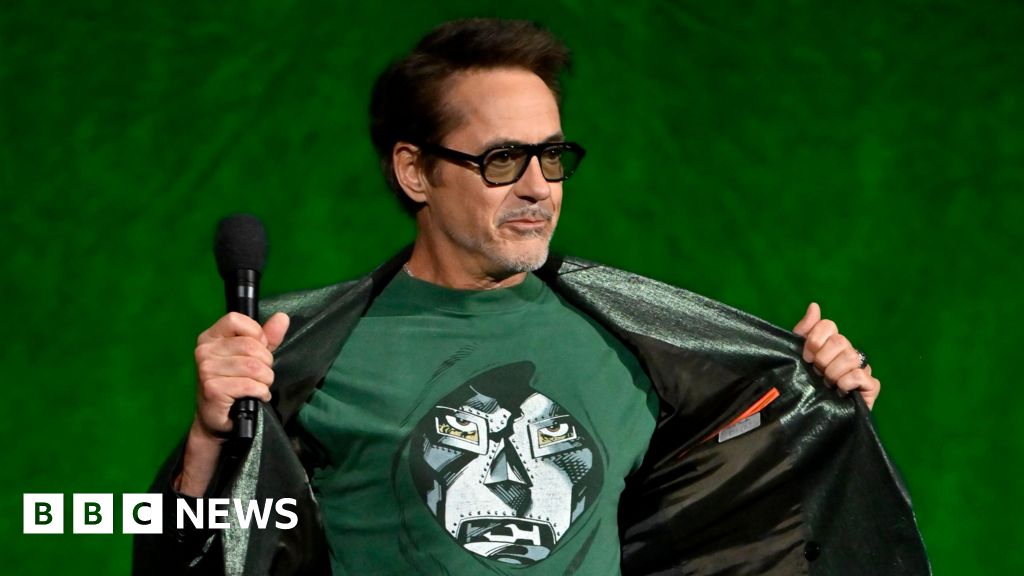
CinemaCon previewed a slate of major studio releases, including Avengers: Doomsday, Top Gun 3, Dune: Part III, a new Paddington film, and sequels to The Social Network, Jumanji, Toy Story and The Devil Wears Prada. Disney, Paramount, Amazon MGM and others used the event to signal upcoming franchise volume, while AI-generated Val Kilmer footage in As Deep As The Grave highlighted growing industry interest in artificial intelligence. The news is generally supportive for theatrical exhibition and studio pipelines, but is largely promotional rather than financially material in the near term.
The important read-through for DIS is not the individual titles but the evidence that studios are leaning harder into franchise extraction as the theatrical window remains fragile. That favors Disney’s slate economics in the near term because the company can amortize marketing, merchandising, streaming conversion, and park/IP flywheel across a deeper bench of recognizable brands, while smaller studios without durable IP will struggle to command premium exhibitor terms or consistent audience attention.
The bigger second-order effect is supply discipline disguised as abundance: when tentpoles cluster around a few dates, the winners are the studios with the strongest balance sheet and the broadest cross-media monetization, not necessarily the best films. Disney is best positioned to absorb a weak opening on one title because its portfolio can still drive subscription churn reduction, consumer products, and park traffic; competitors that rely on one or two franchises face much sharper binary outcomes. The one caution is that crowding around marquee release dates raises the probability of cannibalization and headline-driven volatility in box office estimates, which can create short-lived dislocations around each trailer or release date shift.
The AI-related angle is more important than it looks. Synthetic performance and digital resurrection will almost certainly accelerate production efficiency and lower some costs, but the market is likely underpricing the litigation and labor-relations overhang if audiences normalize AI-augmented talent. For DIS specifically, that is a medium-term margin positive only if it is paired with clear union guardrails; otherwise the benefit can be offset by higher deal friction and reputational risk. The contrarian view is that the market may be overestimating the earnings sensitivity of a stronger theatrical slate: the real upside is modest unless box office strength translates into sustained downstream monetization across streaming, licensing, and experiential businesses.
AI-powered research, real-time alerts, and portfolio analytics for institutional investors.
Request TrialOverall Sentiment
mildly positive
Sentiment Score
0.20
Ticker Sentiment
