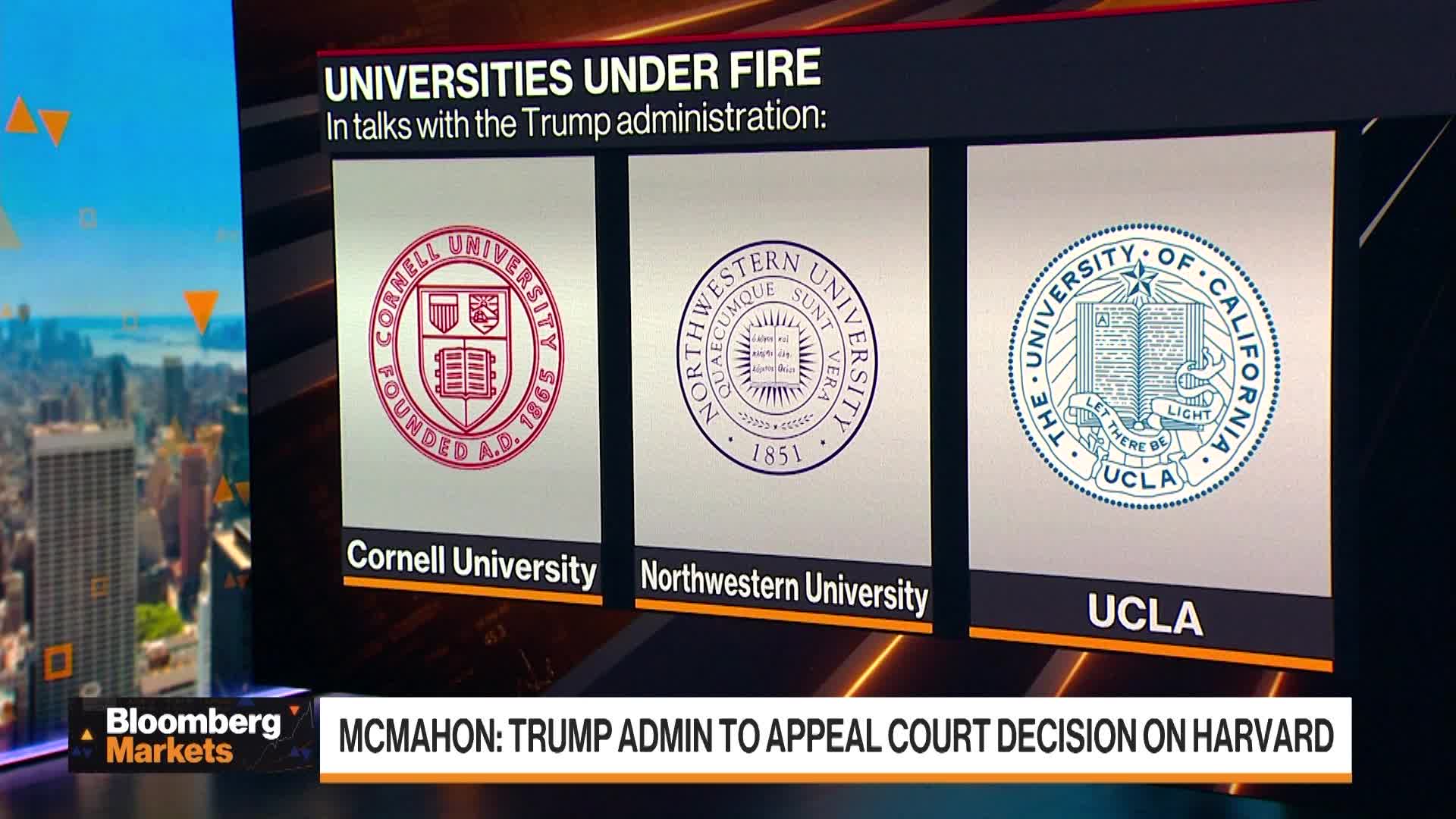
Harvard University secured a major legal victory as a court ruled the Trump administration's freeze of over $2 billion in its research funding was illegal. This decision unblocks substantial financial resources for Harvard, affirming the institution's access to critical research capital.
A federal court has ruled that the Trump administration's move to freeze over $2 billion in research funding for Harvard University was illegal, representing a significant legal and financial victory for the institution. This judgment unblocks a substantial capital source that is critical for the university's research and development initiatives. While the event carries a very low direct market impact score of 0.1 and does not involve any publicly traded entities, its primary significance lies in the legal precedent it establishes, safeguarding institutional research funds from executive branch interference. The restoration of this capital is poised to directly fuel Harvard's research operations, reinforcing its financial stability and capacity for innovation, although the specific fields of study to benefit are not detailed in the report.
AI-powered research, real-time alerts, and portfolio analytics for institutional investors.
Request DemoOverall Sentiment
neutral
Sentiment Score
0.00
