
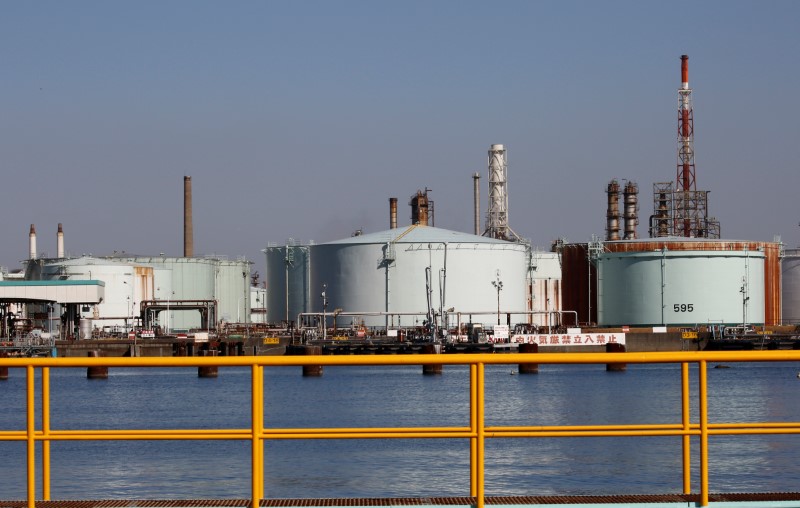
Citi says the global economy can likely withstand a severe Strait of Hormuz disruption, with private-sector demand and policy support helping offset energy shocks. The main risk is a crude oil spike that would lift inflation, pressure consumer spending, and complicate central bank policy, even as the bank notes past periods like 2011-2014 saw Brent average $110/bbl without ending global growth. The article is broadly resilient on growth but still risk-off for oil, inflation, and shipping.
The market is still underpricing the asymmetry between a short-lived oil spike and a sustained inflation impulse. A transient energy shock is manageable because household balance sheets and corporate margins have a buffer, but the second-order risk is that shipping insurance, freight, and inventories reprice across the chain even if crude retraces quickly. That means the real pain is likely to show up first in transport-heavy retailers, industrials with thin gross margins, and rate-sensitive cyclicals rather than in the broad market index.
The key beneficiary set is narrower than headlines suggest. Integrated energy and select refiners should outperform only if the shock is measured in weeks to a few months; if disruption becomes chronic, margin gains get diluted by demand destruction and policy response. The more interesting trade is relative: U.S. domestic producers, pipeline names, and tanker beneficiaries can capture the spread between global and local pricing while avoiding some direct demand elasticity risk.
The contrarian takeaway is that consensus may be too focused on recession odds and not enough on disinflation reversal. Even a 50-100 bps backup in inflation expectations can delay rate cuts, which hits duration-sensitive assets harder than the initial oil move does. If shipping lanes normalize faster than expected, the crowded “geopolitical inflation” trade should unwind quickly because the macro market is already positioned for resilience.
For the named ticker, C, the direct earnings effect is limited, but the second-order credit effect matters: higher fuel and logistics costs tend to stress lower-income borrowers and small-business clients first. That argues for watching consumer delinquencies and cards exposures over the next 1-2 quarters, not trading the stock on the headline alone.
AI-powered research, real-time alerts, and portfolio analytics for institutional investors.
Request TrialOverall Sentiment
neutral
Sentiment Score
0.05
Ticker Sentiment
