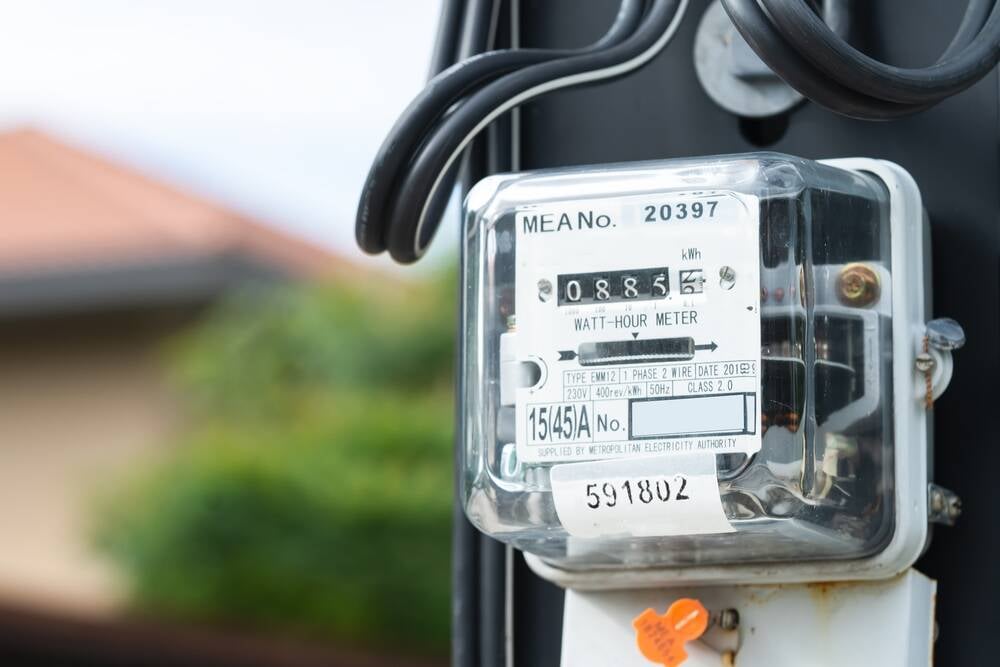
Anthropic has pledged to fully offset any increases in consumer electricity bills caused by its own datacenters by paying for grid upgrades and higher energy costs, while also exploring curtailment systems and liquid cooling to lower peak demand. The commitment excludes leased capacity — notable given large-access deals with Google and Microsoft (the Microsoft deal supports an additional gigawatt of capacity) — and follows Anthropic’s disclosed $50 billion investment with FluidStack; the company also called for federal permitting and transmission reforms as regulators pressure hyperscalers to avoid spiking residents' utility bills.
Market structure: Anthropic’s pledge is a demand-side PR move that helps hyperscalers' political risk but does not remove the core supply constraint — grid capacity and regional generation. Winners: cloud platforms (MSFT, GOOGL) that can negotiate preferential interconnect terms and grid/renewables suppliers (NEE, copper/equipment names) as transmission spending accelerates; losers: local ratepayers, municipal budgets, and smaller data‑center REITs (EQIX/DLR) facing permitting delays and higher operating costs. Higher baseload electricity demand implies upward pressure on regional power prices and natural gas in constrained markets over 12–36 months, tightening power commodity spreads and increasing muni/utility issuance.
Risk assessment: Tail risks include aggressive state-level caps on datacenter interconnects or mandated on-site backup generation (low probability, high impact), large-scale contract re-pricing between Anthropic and hyperscalers, and legal challenges from municipalities. Immediate market moves will be news-driven (days); permitting and grid upgrades play out over weeks–months (30–180 days); structural capex and commodity impacts manifest over quarters–years (2–5 years). Hidden dependency: many grid costs are recoverable via rate base — Anthropic’s payment may not prevent socialization of some costs, preserving regulatory credit risk for utilities.
Trade implications: Favor selective longs in MSFT (capture Azure/Anthropic optionality) and listed grid/renewables exposure (NEE or XLU) while underweight or hedge data‑center REITs (EQIX/DLR) into permitting clarity. Use options to express asymmetric risk: 9–12 month MSFT call spreads and short-dated AMZN put protection to guard against headline risk around capex guidance. Size trades small (1–3% portfolio per idea) and re-evaluate at 30/90/180 day catalysts (earnings, federal permitting decisions).
Contrarian view: The market underestimates that Anthropic’s pledge is limited — leased compute (largest demand source) remains unaddressed, so downstream margin pressure for hyperscalers could persist. Permitting friction and price externalities may shift durable economics toward vertically integrated players that internalize power (on-site renewables + storage), creating a multi-year re-rating opportunity for grid and energy-storage OEMs rather than pure data‑center landlords. Historical parallels: telecom infrastructure booms where regulation and localized backlash rerouted capital into backbone suppliers rather than retail landlords.
AI-powered research, real-time alerts, and portfolio analytics for institutional investors.
Request DemoOverall Sentiment
neutral
Sentiment Score
0.00
Ticker Sentiment
