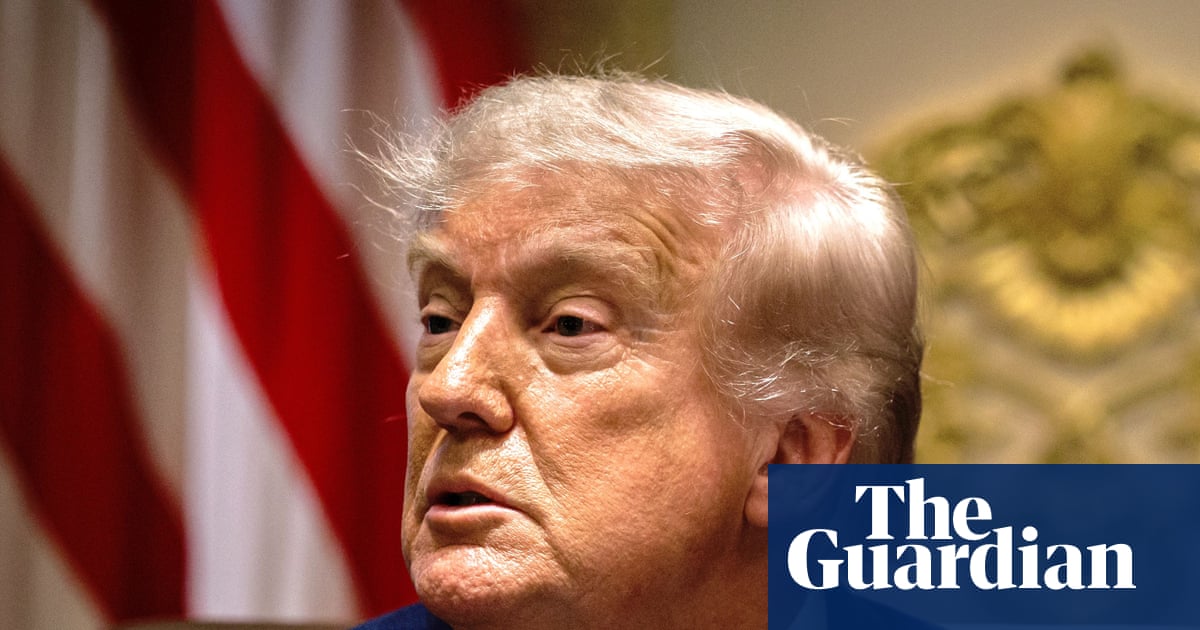
Trump claimed a potential Iran deal could open the Strait of Hormuz, halt Iran’s nuclear program, and lift the U.S. naval blockade, but Iranian officials said no final agreement has been reached. The uncertainty keeps a major oil-shipping chokepoint and regional war risk in focus, with possible implications for global energy supplies and broader risk assets. Iranian statements also rejected uranium export and nuclear concessions, suggesting negotiations remain unresolved and volatile.
The market’s first-order read is lower geopolitical risk, but the bigger signal is optionality: even a partial de-escalation would unwind a volatility premium embedded across crude, freight, insurance, and defense logistics. The strait is not just an oil chokepoint; it is a pricing mechanism for every marginal barrel of Middle East supply, so any credible pathway to uninterrupted transit would pressure prompt Brent and compress time-spreads faster than headline spot moves. The second-order beneficiary is global manufacturing and EM importers, where lower energy and shipping costs would show up with a 1-2 quarter lag in margin relief and current-account stabilization.
The market should not price this as binary peace. The most probable path is a negotiated pause with ambiguous enforcement, which keeps sanctions friction, tanker insurance discounts, and intermittent disruption risk in place. That means implied volatility in oil-related equities and FX is likely overpriced relative to realized directional move, especially if the deal narrative repeatedly oscillates over days rather than months. The key catalyst is whether transit rules and nuclear verification are codified; without those, any relief rally in risk assets could fade quickly once Tehran rejects operational concessions.
The contrarian angle is that a softer energy tape could actually be more negative for the most levered “peace trade” proxies than the market expects, because the removal of tail-risk premiums tends to hit producers and defense-adjacent logistics before it benefits cyclicals. Conversely, if the talks fail, the upside gap in crude may be constrained by political pressure to reopen channels rather than a full supply shock, so the asymmetry is less about higher spot and more about sustained backwardation and elevated hedging demand. In short: this is a volatility event, not yet an all-clear event.
AI-powered research, real-time alerts, and portfolio analytics for institutional investors.
Request DemoOverall Sentiment
moderately negative
Sentiment Score
-0.35
