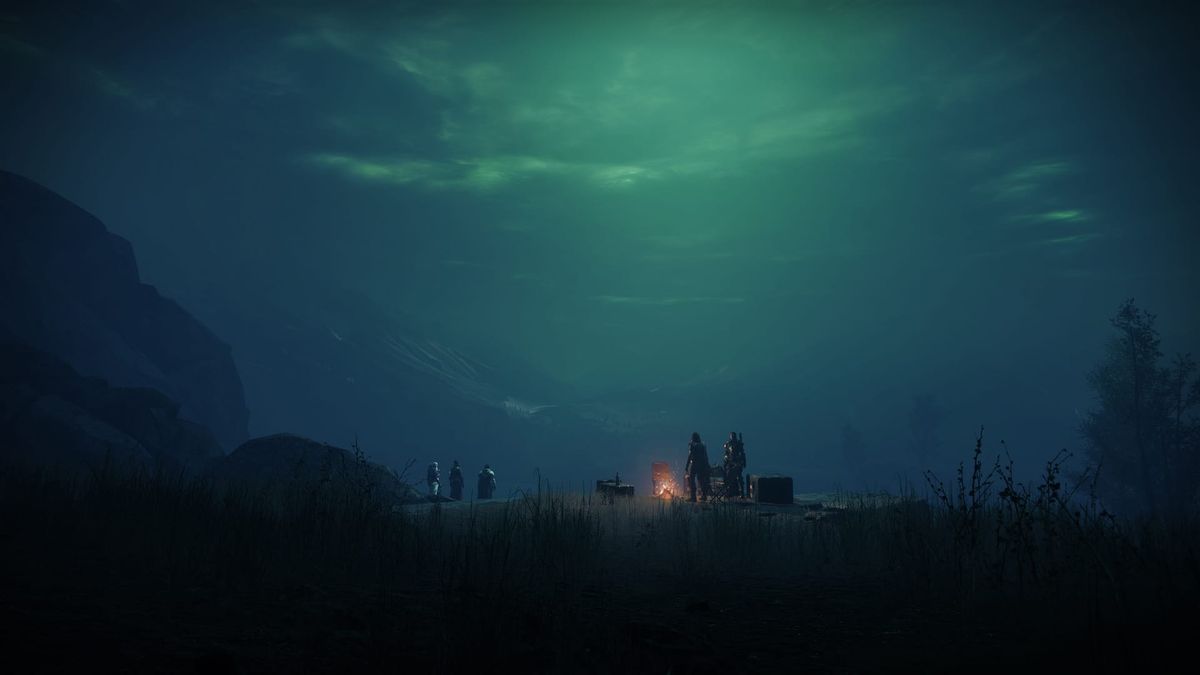
Bungie says June 9, 2026 will bring the final live-service content update for Destiny 2, ending active development after nearly a decade of support. The company will keep the game playable, but the article frames the change alongside prior content vaulting, multiple layoffs in 2023-2024, and a delayed Marathon launch, underscoring ongoing operational and strategic pressure. The news is meaningful for Bungie’s player base and franchise outlook, but limited in broader market impact.
The economically relevant signal is not the end of one game, but the formal shrinking of a high-cost live-service incubation model at a studio that has already been through multiple ownership and staffing resets. For Sony, this reduces one source of open-ended cash burn and reputational volatility, but it also highlights a broader problem: first-party content pipelines are still not producing durable operating leverage in live-service. The second-order effect is that management will likely prioritize fewer, more controlled launches over experimentation, which lowers variance but also caps upside from a breakout hit.
For MSFT, the linkage is more brand and platform-adjacent than financial. Bungie’s ecosystem has historically helped anchor engagement on PlayStation and PC, so a sunset can slightly weaken the long-tail retention halo around shooter communities and creator-driven content. That said, the bigger competitive implication is that the live-service shooter category remains structurally oversupplied relative to demand; a graceful wind-down underscores how hard it is to sustain monetization when content cadence, trust, and studio morale all deteriorate at once.
AMZN is effectively a non-signal here, but there is a subtle read-through to cloud and distribution economics: aging live-service titles with static content still consume backend infrastructure and community operations, so the industry may see more emphasis on lifecycle compression and lower server-cost architectures. The current sentiment likely underestimates how much of Bungie’s value is now tied to optionality in unreleased IP rather than the legacy franchise itself. If Marathon stumbles again, the market may reprice Sony’s gaming execution risk more aggressively than headline commentary suggests.
The contrarian view is that this is not bearish for Sony in the medium term; it may actually remove a recurring distraction and let management redeploy resources to fewer, more defensible bets. The real risk is timing: in the next 3-6 months, any evidence of a weak Marathon launch, further layoffs, or monetization misses would turn this into a broader governance and capital-allocation story. The move is therefore less about the sentimental end of Destiny and more about whether Sony can convert a legacy franchise into a cleaner balance sheet and a credible next-cycle content roadmap.
AI-powered research, real-time alerts, and portfolio analytics for institutional investors.
Request DemoOverall Sentiment
moderately negative
Sentiment Score
-0.35
Ticker Sentiment
