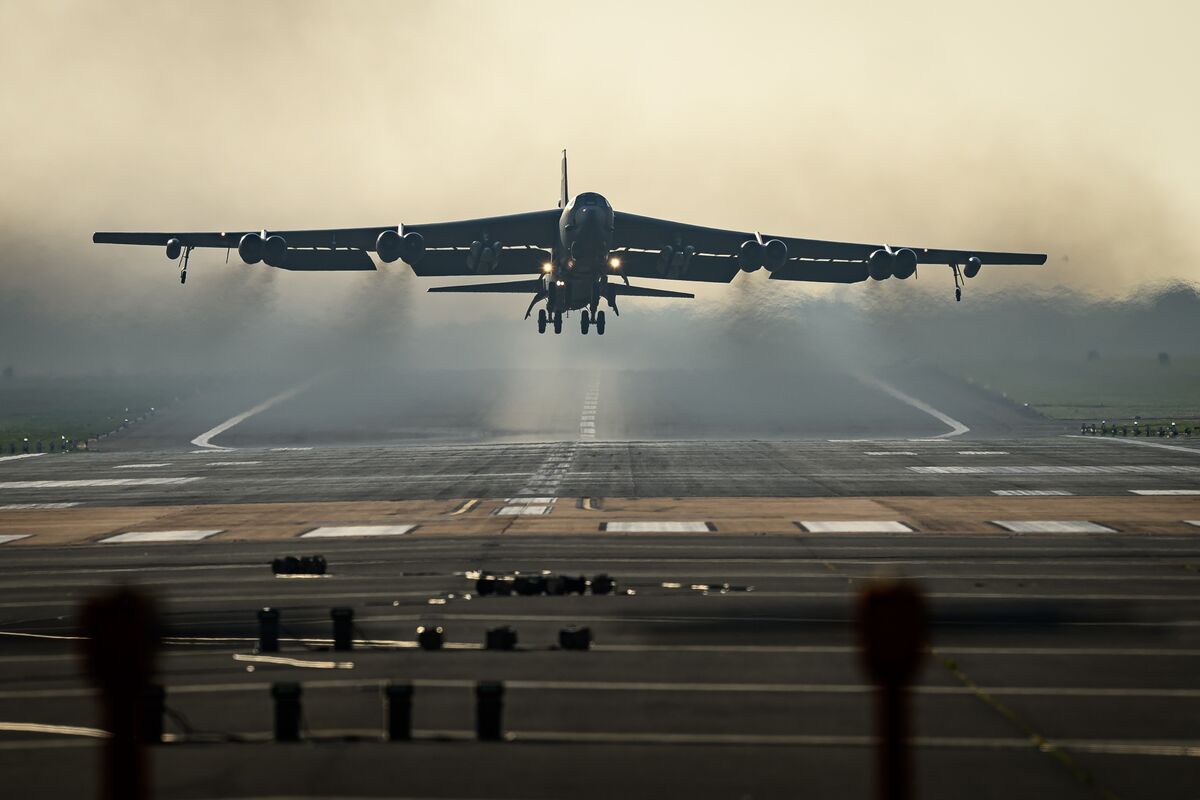
A US Air Force B-52 Stratofortress crashed shortly after takeoff at Edwards Air Force Base in California at 11:20 am Pacific time. The extent of the damage is still unknown, but emergency crews responded immediately. The incident is negative for defense operations and safety, though the market impact is likely limited unless injuries, loss of aircraft, or broader readiness issues are confirmed.
A single B-52 mishap is not a direct macro event, but it is a reminder that the aged strategic bomber fleet is a high-maintenance asset class with low substitution elasticity. The immediate market implication is not for defense primes broadly, but for programs tied to depot maintenance, avionics refresh, engines, and flight-safety systems: incidents like this tend to accelerate inspection cycles, spares demand, and sustainment budgets over the next 1-3 quarters.
The second-order winner is likely the sustainment ecosystem rather than new-build platforms. If the Air Force is forced to increase readiness checks or accelerate modernization to preserve nuclear deterrence credibility, that can modestly benefit diversified defense names with recurring service revenue and exposure to aftermarket parts. The loser is schedule certainty for legacy fleet availability; even minor groundings can tighten already constrained operational readiness and push the Pentagon toward prioritizing reliability over cost savings.
The key risk is political, not operational: if this becomes part of a broader narrative around aging strategic assets, it can create a small but persistent tailwind for recapitalization proposals over the next 6-18 months. That said, one accident is unlikely to change procurement budgets absent a pattern, so any move on pure headline risk should be faded quickly unless additional incidents emerge. Consensus may overstate the near-term impact on major primes; the real signal is whether the Air Force changes maintenance cadence or accelerates platform replacement studies.
Contrarian view: the market usually underprices boring sustainment exposure and overprices headline-driven platform risk. If the response is a modest readiness or safety review, the beneficiaries are the companies with sticky logistics and maintenance revenue, not the names associated with next-gen aircraft development.
AI-powered research, real-time alerts, and portfolio analytics for institutional investors.
Request DemoOverall Sentiment
mildly negative
Sentiment Score
-0.20
