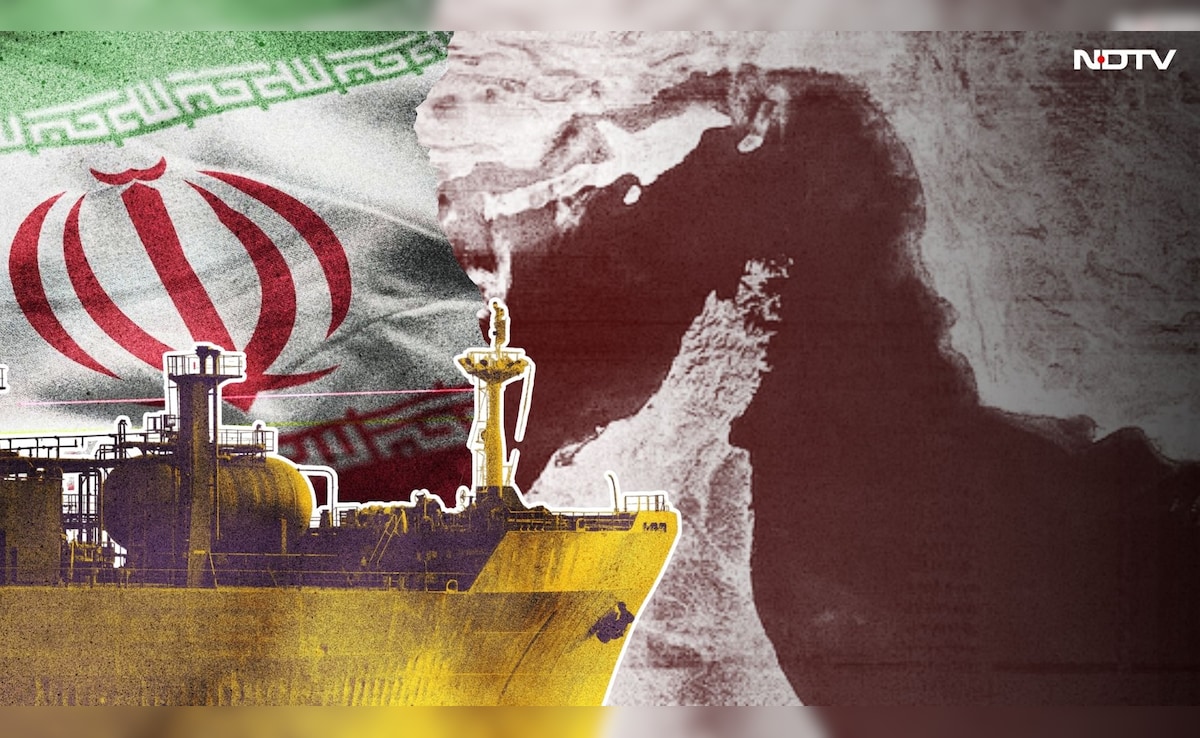
Iran will limit transits through the Strait of Hormuz to 15 ships per day, each requiring IRGC approval, constraining a chokepoint that handles roughly 20% of global seaborne crude. Tehran also demands frozen overseas assets be unfrozen within a two-week window and that the US not increase regional forces, warning it will resume combat if its terms (including a UN resolution) are not met. These conditions materially raise the risk of oil supply disruption and heightened volatility in energy and shipping markets, prompting a likely near-term risk-off response.
The immediate market transmission will be driven less by crude barrels sitting on a map and more by a sharp increase in ton-mile demand and insurance premia that amplify an already tight physical curve. A modest decrease in daily transit capacity (order-of-magnitude: fractional mb/d) can translate into a 30–70% jump in tanker voyage days for Middle East exports, which historically pushes TD3/TD20 rates into multi-year highs within weeks and steepens Brent into sustained backwardation.
Primary beneficiaries are owners of large crude tankers and bunker suppliers because rerouting adds voyage distance; secondary victims are refiners in Europe and East Asia that rely on prompt Mideast grades — their utilization can drop even if nominal crude flows hold via swaps/ship-to-ship transfers. Insurance and reinsurance balance sheets will see higher short-term claims and pricing power, raising cost-of-transport on a structural basis if the protocol persists past one month.
Financially, the demand for blocked-asset release creates a binary: early unfreezing reduces physical upside by enabling discreet ramp-up via non-standard channels, whereas failure or perceived bad-faith increases the conditional probability of escalation and a multi-month premium on oil and freight. Key near-term signals to watch are tanker spot rates, sovereign credit spreads for regional states, and container schedule conformity — movements in these three will lead price discovery rather than headline diplomacy.
Time horizon: expect most P&L action in days–weeks via freight and front-month crude; policy resolution or durable market normalization shifts outcomes over 1–3 months; structural rerouting/capex (pipelines, longer-term shipping contracts) would take 6–24 months to materialize and reprice assets.
AI-powered research, real-time alerts, and portfolio analytics for institutional investors.
Request DemoOverall Sentiment
strongly negative
Sentiment Score
-0.75
