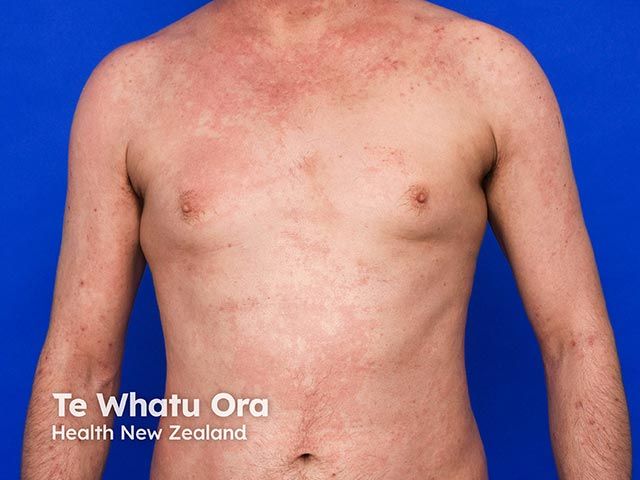
Corvus Pharmaceuticals reported positive cohort 4 Phase 1 data for oral ITK inhibitor soquelitinib in moderate-to-severe atopic dermatitis: at day 56 mean EASI fell 72% on drug versus 40% on placebo, with 75% achieving EASI-75, 25% EASI-90 and 33% IGA 0/1 (placebo: 20% EASI-75, 0% EASI-90/IGA0-1); separation was evident by day 15 and no disease flares were seen on drug. Safety was favorable (AEs grade 1–2 in 41.7% drug vs 50% placebo; no SAEs or lab signals), biomarker changes supported mechanism, and Corvus plans a ~200-patient Phase 2 in Q1 2026 over 12 weeks — results materially de-risk the program but remain early-stage for valuation implications.
Market structure: Positive Phase 1 cohort‑4 data materially improve Corvus (CRVS) positioning in oral atopic dermatitis (AD) — an oral, selective ITK inhibitor with 72% mean EASI reduction and 75% EASI75 at day 56 can win share from injectable biologics (Dupixent) for convenience‑seeking patients and from JAK inhibitors if safety holds. Expect incumbents (SNY/REGN Dupixent franchise) to face modest pricing pressure in later‑line segments; payers may prefer oral options, pressuring effective prices by ~5–15% over 2–4 years in non‑severe segments. Short‑term supply/demand stays demand‑driven (trial enrollment), longer term commercial uptake depends on phase‑2/3 durability and net price relative to injectables.
Risk assessment: Key tail risks include safety signals in larger cohorts, regulatory requests for larger trials, and financing/dilution — probability medium but impact high; absence of serious AEs in small N is not predictive. Time horizons: immediate (days) — PR and flow trade; short (weeks–months) — Phase‑2 initiation and financing disclosures; long (quarters–years) — pivotal readouts, label and market share. Hidden dependencies: Corvus’ cash runway and partnership likelihood (outsourcing commercialization) will drive dilution and upside capture; watch burn and covenants closely.
Trade implications: Direct play is sized exposure to CRVS ahead of Phase‑2 start (Q1 2026) with protection — asymmetric payoff if safety/efficacy replicates. Use call spreads to limit premium outlay and buy protective puts to cap downside; consider modest pair trades versus large incumbents to isolate AD exposure. Sector rotation: overweight small/mid‑cap immunology biotech, underweight defensive pharma for marginal share shifts.
Contrarian angles: Consensus may overvalue 56‑day results — cohort size likely <20 and deepening over 8 weeks can regress; market could be overenthusiastic pre‑Phase‑2. Also payers may resist premium pricing for an oral if long‑term safety surveillance is required, compressing commercial value by 20–40% versus first‑look estimates. Historical parallels: early small‑co biologic/targeted wins often halve after larger trials or financing dilution; plan for a 30% volatility regime and milestone‑driven price moves.
AI-powered research, real-time alerts, and portfolio analytics for institutional investors.
Request DemoOverall Sentiment
moderately positive
Sentiment Score
0.50
Ticker Sentiment
