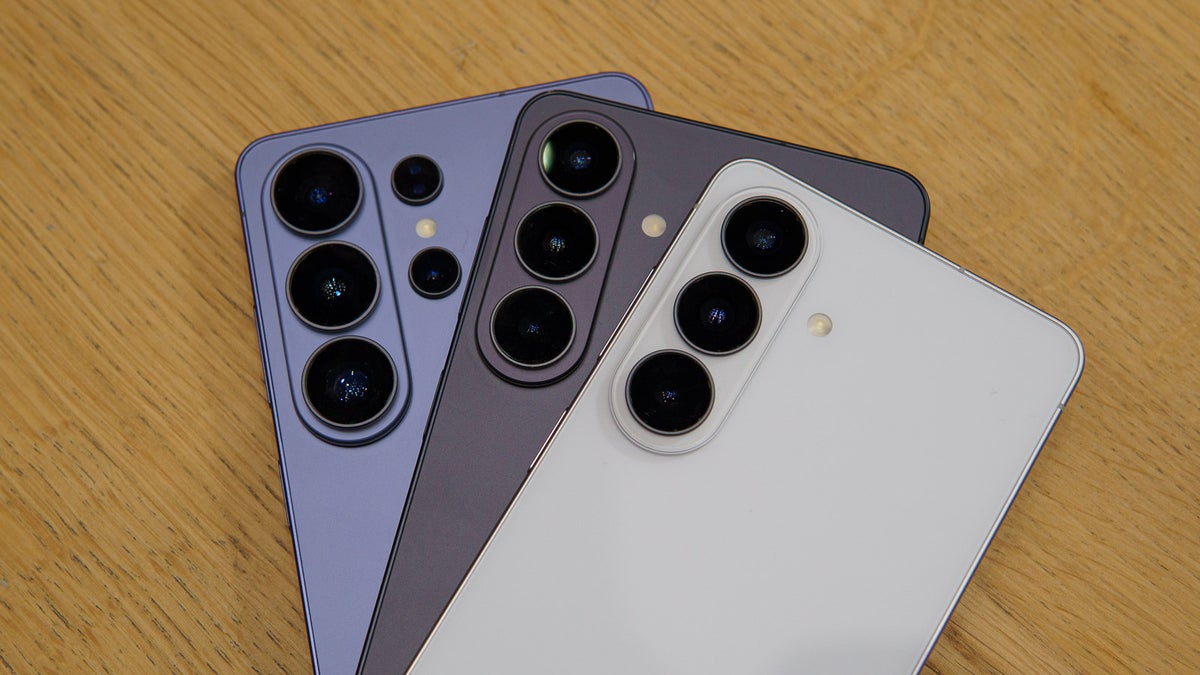
Samsung’s standard Galaxy S27 may use BOE displays instead of Samsung Display panels and could stick with older M13 OLED material rather than newer M14 tech. That implies a cheaper but less premium screen, with lower brightness, efficiency, and lifespan than Samsung’s best components. The article suggests Samsung is prioritizing margin protection and avoiding another price hike, but the impact is mostly a product-quality and positioning issue rather than a major financial event.
The market implication is not the handset spec itself; it is the signaling that Samsung is willing to use the base flagship as a margin-management tool. That shifts bargaining power downstream toward component buyers and away from premium suppliers, which is incrementally negative for Apple’s own panel-cost structure because it weakens the pricing umbrella across advanced OLED supply. The first-order read is modestly negative for AAPL on competitive optics, but the second-order effect is more important: if Samsung normalizes a lower tier of flagship display, Apple may face less room to preserve premium pricing without giving back some margin on the low end.
The bigger risk is that this is a symptom of a broader smartphone maturity cycle, not a one-off SKU decision. When OEMs start downgrading the base model while protecting the top end, it usually means unit growth is becoming less elastic to feature differentiation and more sensitive to bill-of-materials discipline. That tends to compress ecosystem take rates over the next 2-4 quarters: fewer upgrade-triggering features, slower mix shift to premium models, and less urgency for consumers to pay up for the entry flagship tier.
Contrarian view: the move may be less negative for Apple than headline readers assume because it reinforces a two-tier market where the premium segment remains intact while the base model gets commoditized. If consumers accept reduced differentiation at Samsung, Apple may be able to defend its own higher-end stack while competing mainly on software and ecosystem lock-in rather than panel quality. The larger near-term catalyst is not demand destruction but whether component pricing deflation shows up in gross margin guidance over the next 1-2 earnings cycles.
AI-powered research, real-time alerts, and portfolio analytics for institutional investors.
Request DemoOverall Sentiment
mildly negative
Sentiment Score
-0.25
Ticker Sentiment
