







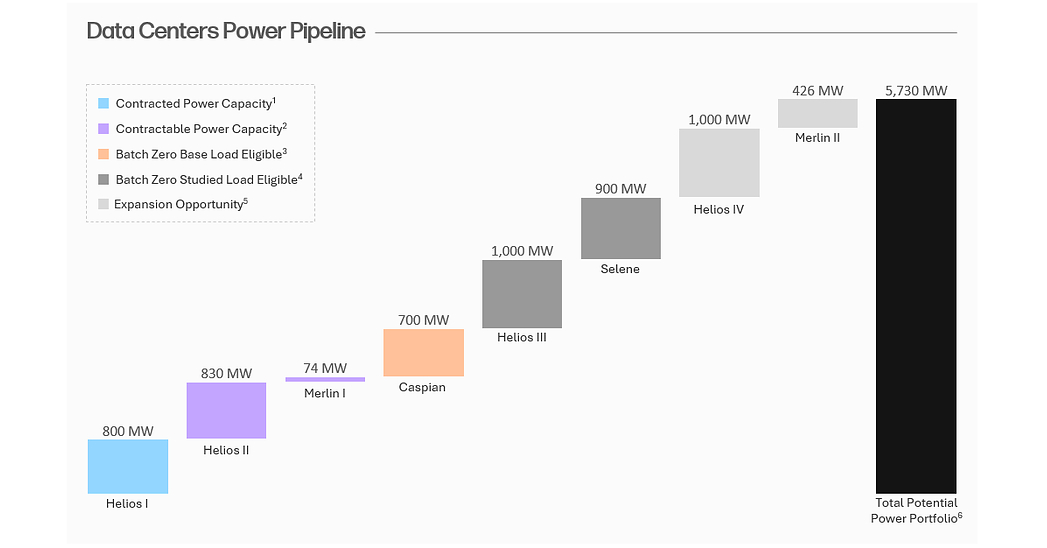
Galaxy Digital reported Q2 2026 net loss of $85M (diluted and adjusted EPS: -$0.09), primarily tied to depreciation in digital asset prices, while adjusted gross profit rose to $43M and adjusted EBITDA was -$77M. On the business side, Galaxy advanced its AI data center buildout—delivering 133MW of critical IT load to CoreWeave under a 15-year lease and securing $3.5B of senior secured notes due 2031 to fund Helios Phase II. Equity ended at $2.7B and cash & stablecoins were $2.46B (down 6% QoQ), signaling pressure from crypto market moves but continued infrastructure execution.
The market should separate the two stories here: the trading/capital-markets business is still a cyclical crypto beta with noisy marks, while the data-center piece is becoming a longer-duration cash-flow annuity. The equity is likely to re-rate only if investors believe the incremental project cash flow is large enough to offset higher leverage and execution risk; otherwise the stock remains a financing story masquerading as an infrastructure story.
Second-order winners are the custody/staking intermediaries and adjacent institutional rails: BNY and STT can capture wallet-share from tokenization and staking workflows without taking construction or power-approval risk. By contrast, CRWV benefits from dedicated capacity, but the concentration also creates a single-counterparty dependency that can compress Galaxy’s negotiating leverage over time if the tenant knows the asset is bespoke.
Catalyst path is split by horizon. Over days, the print may be treated as positive because investors like visible contracted revenue. Over 1-3 months, the real test is whether interest expense, interconnect timing, and lease ramp convert the headline into repeatable EBITDA; any slip would reclassify the story as levered project finance. The contrarian miss is that the market may be underpricing how much of the upside is already monetized by the balance sheet expansion and how little is left for common equity once debt service and buildout capex are deducted.
AI-powered research, real-time alerts, and portfolio analytics for institutional investors.
Overall Sentiment
mildly negative
Sentiment Score
-0.28
Ticker Sentiment
