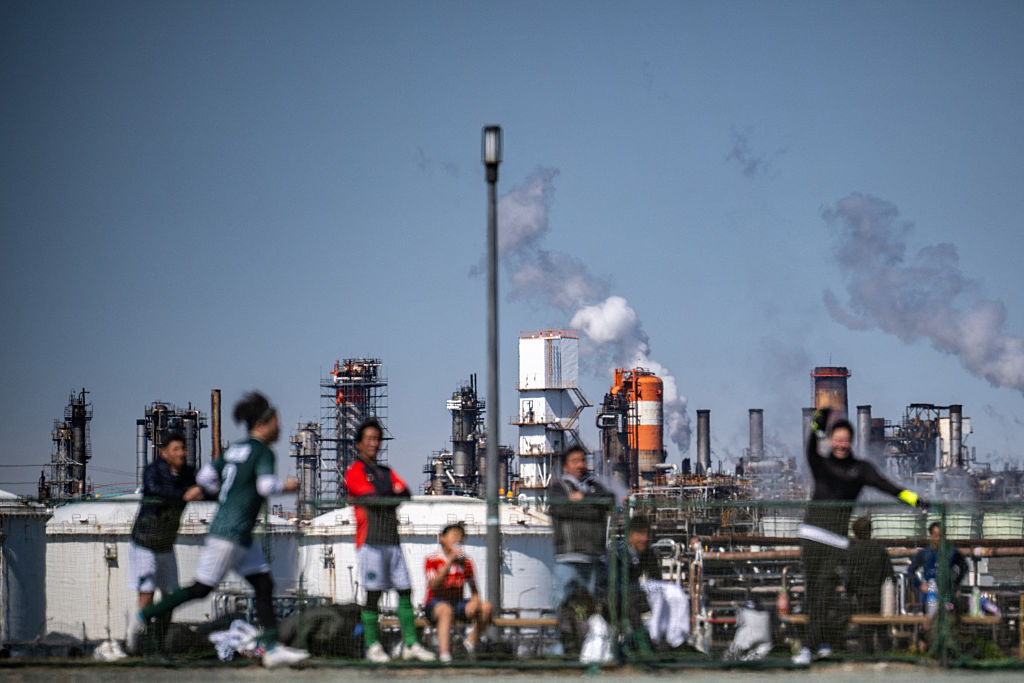
Around 80% of Asia’s oil imports transit the Strait of Hormuz, which has been effectively closed since Feb. 28, prompting emergency measures (fuel caps, diesel price caps, LPG rationing), nation-level interventions and strategic releases (China ~1.4 billion barrels in storage; Japan releasing reserves). Energy buffers are thin—Vietnam <20 days, Pakistan/Indonesia ~20 days, India/Thailand/Philippines ~60 days—while disruptions to oil, LNG, petrochemicals, fertilizers and helium threaten broad-based inflation, higher shipping/insurance costs, and semiconductor supply risks. Economists warn a conflict exceeding three months could halve Thailand’s growth and produce acute exchange‑rate, current‑account and inflation pressures across emerging Asian markets, with knock-on effects for global food and input prices.
The shock is already shifting margins away from energy-intensive producers and transport-intensive exporters toward commodity producers and owners of storage/transport capacity. Expect a fast pass-through to headline inflation in small Asian energy importers within a 1–3 month window, but the second-round effects — FX stress, import compression and reduced capex — play out over 3–12 months as central banks respond asymmetrically.
Shipping and insurance repricing is the hidden accelerator: multi-week reroutes and higher war-premium insurance effectively raise delivered energy and input costs by a discrete, lump-sum amount that cannot be offset by monetary policy — that favors firms with pricing power, inventory buffers, or alternative inbound contracts. Critical inputs with concentrated supply (helium, urea, certain petrochemicals) create asymmetric downside for high-tech and agriculture exporters in Asia within 1–3 months if disruptions persist.
Policy and geopolitical feedback matter: short interruptions bolster USD demand and force EM rate hikes in the near term, but a sustained pivot toward alternative settlement systems (yuan-linked energy flows) over 12–36 months would be structural and favor commodity-linked EM assets and certain national champions. The path is binary: diplomatic de‑escalation within ~60–90 days materially compresses risk premia; a protracted disruption (>3 months) moves this from inflation shock to growth shock with stagflationary outcomes for import-dependent EMs.
AI-powered research, real-time alerts, and portfolio analytics for institutional investors.
Request DemoOverall Sentiment
strongly negative
Sentiment Score
-0.70
