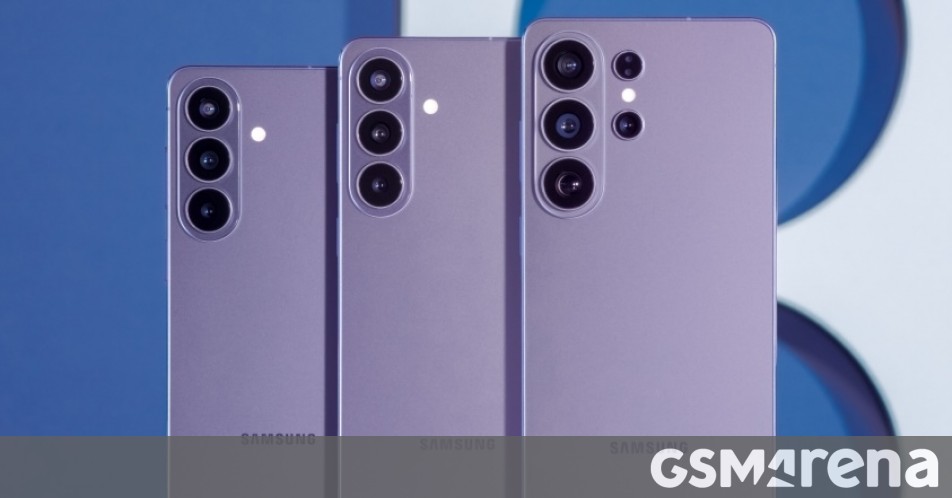
Samsung's Galaxy S27 lineup is rumored to adopt UFS 5.0 storage, with the upgrade likely limited to the Pro and Ultra models. UFS 5.0 is expected to deliver up to 10.8Gbps sequential speeds, roughly double the 5.8Gbps of UFS 4.0/4.1. The Galaxy S27 Ultra is also rumored to include a near 1-inch 200MP main camera and Snapdragon 8 Elite Gen 6 Pro chipset.
This is less about a single handset feature and more about Samsung trying to widen the performance moat between its halo devices and the mid-tier line. If UFS 5.0 stays concentrated in Pro/Ultra SKUs, Samsung effectively turns storage into another segmentation lever, which should preserve ASPs and improve mix even if unit growth remains flat. The second-order implication is that a faster storage standard may pull forward component demand from controller, NAND, and packaging vendors before consumers ever notice the difference.
The market is likely underestimating how much of the value accrues to the supply chain rather than the phone OEM itself. UFS 5.0 adoption should tighten qualification standards and favor the vendors already closest to Samsung’s design-in process, while leaving slower-adopters exposed to share loss in premium Android BOMs. At the same time, the actual consumer uplift is debatable: faster sequential throughput is meaningful for AI, on-device imaging, and large local models, but it is unlikely to move upgrade behavior unless Samsung couples it with a visible battery or camera advantage.
The main risk is timing: storage specs leak early, but monetization lands months later and can be diluted by launch-cycle noise, component constraints, or a delayed ramp if yields are poor. Another risk is that if competitors match the spec quickly, the headline becomes table stakes rather than differentiation, compressing the cycle’s pricing power. The contrarian view is that investors may be over-focusing on the storage feature and underweighting the real driver: Samsung using premium SKU architecture to defend margin in a mature smartphone market while pushing more content into each top-end device.
AI-powered research, real-time alerts, and portfolio analytics for institutional investors.
Request DemoOverall Sentiment
neutral
Sentiment Score
0.10
