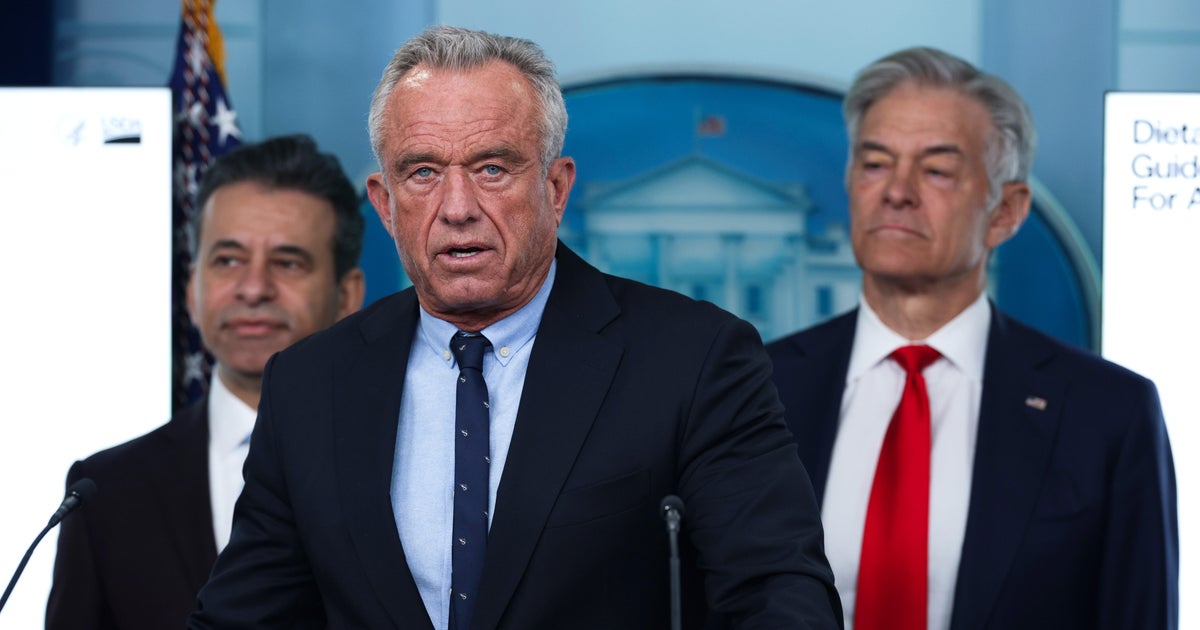
HHS Secretary Robert F. Kennedy Jr. said it may be 'better' if fewer children receive the flu vaccine after the CDC narrowed recommendations so vaccines for RSV, meningococcal disease, flu and COVID are now recommended only for high-risk children or after physician-parent shared decision-making. Kennedy cited a Cochrane meta-review questioning the flu vaccine's prevention of serious pediatric outcomes, while CDC data show roughly 90% of children who died of flu in 2024 were unvaccinated. The change could reduce pediatric vaccine uptake and affect public-health outcomes and vaccine demand dynamics, but it is primarily a policy/public-health story with minimal direct market impact.
Market structure: Immediate winners are pediatric clinicians (increased office visits) and telehealth triage providers (modest uptick in consults for pre-vaccine shared decision making), while retail pharmacy vaccination clinics (CVS, WBA) and frontline seasonal flu-dose logistics vendors face weaker foot traffic and 5–15% lower pediatric dose volumes domestically. Large diversified vaccine makers (SNY, GSK, CSL) have limited downside because US pediatric doses are a minority of global flu revenue; pricing power remains intact for adult/high-risk campaigns.
Risk assessment: Tail risks include a large pediatric outbreak forcing a policy reversal and emergency purchases (+20–50% demand spike) or litigation/regulatory action increasing compliance costs for manufacturers and pharmacies; probability low but impact material over 1–4 quarters. Expect market sentiment moves in days/weeks, measurable revenue effects in the next flu season (6–12 months), and earnings-line items revealed across 2–3 quarterly reports. Hidden dependencies: state school-entry rules, employer adult mandates, and international demand will blunt US-only guidance; catalysts are CDC/state clarifications and early-season hospitalization metrics.
Trade implications: Tactical opportunities favor short-duration hedges on pharmacy retail (CVS, WBA) and selective buy-the-dip positions in diversified vaccine names (SNY, GSK) if IV is elevated. Use 3–6 month option structures (vertical put spreads on WBA/CVS; debit call spreads on SNY) sized to 1–3% portfolio risk; consider a pair trade long SNY (1–2%) / short CVS (1%) to express secular resilience vs. retail clinic exposure. Rotate 1–3% from pharmacy/retail healthcare into large-cap pharmas and hospital insurers (PFE, UNH) for defensive earnings exposure.
Contrarian angles: Consensus overweights headline-driven fear for the entire vaccine complex; reality: US pediatric policy change is narrow and likely reduces ~single-digit percent of global vaccine volumes. Historical parallels (temporary sell-offs after vaccine-safety headlines in 2015–2018) show 6–12 month rebounds; unintended consequence—if pediatric hospitalizations rise >20% YoY, expect a sharp snap-back benefitting vaccine producers, hospital stocks, and antivirals within 60–120 days.
AI-powered research, real-time alerts, and portfolio analytics for institutional investors.
Request DemoOverall Sentiment
neutral
Sentiment Score
0.00
