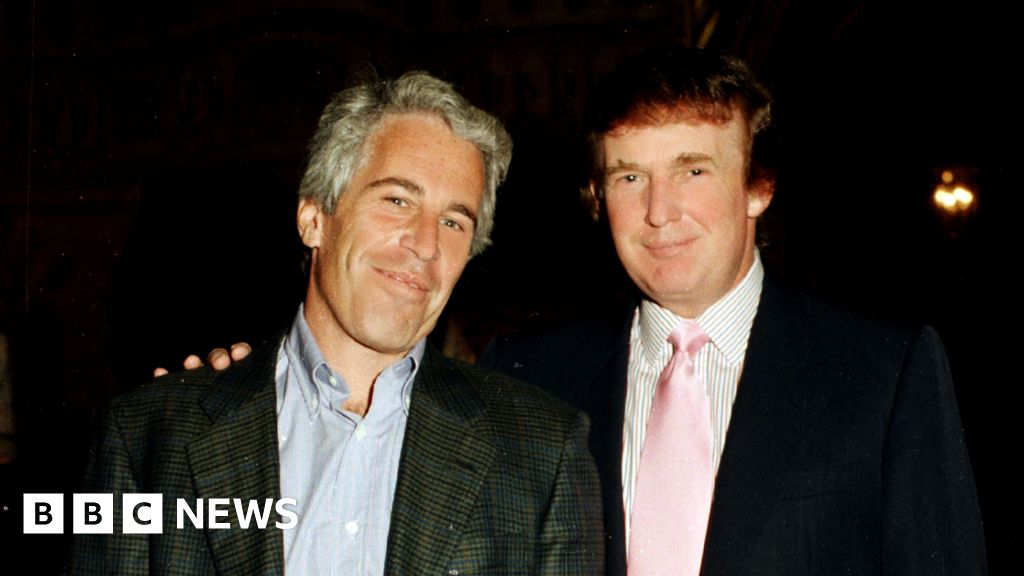
The Justice Department released three previously withheld 2019 FBI memos summarizing interviews with an unnamed woman who made uncorroborated allegations of sexual assault against Donald Trump and Jeffrey Epstein, saying the documents had been mistakenly coded as duplicative. The White House called the claims baseless, while bipartisan House action has produced a subpoena for former AG Pam Bondi amid reporting that more interview summaries were omitted from earlier releases; Congress last year mandated disclosure of all Epstein-related materials. The disclosures raise headline political and legal risk but contain unverified allegations and, absent formal charges or new legal developments, are unlikely to produce a material market impact in the near term.
Market-structure: The immediate market winners are niche media (NYT) and legal/forensic-consulting services that monetize sustained document releases; losers are high-beta, small-cap consumer names sensitive to headline-driven sentiment. Pricing power shifts are minimal for corporates, but information-flow volatility increases short-term trading volumes and ad revenue concentration toward legacy/news brands; expect 1–3% revenue upside risk for news outlets over the next 30–90 days versus consensus.
Risk assessment: Tail risks include a legal escalation or credible corroboration that meaningfully changes election odds — a low-probability, high-impact event that would spike VIX >50% intraday and move 10y Treasury yields by >50bps. Immediate (days) effect is headline-driven volatility; short-term (weeks–months) is elevated trading flows and ad-revenue swings; long-term (quarters) political-policy risks (tax, regulation) remain conditional on election outcomes. Hidden dependencies: advertiser flight from controversial coverage and concentrated release schedules (DOJ/Subpoena calendar) that can serially amplify market noise.
Trade implications: Tactical hedges and alpha plays: (a) short-dated volatility buys (VIX call spreads, 30–45 day) as event insurance; (b) small, directional media longs (NYT) to capture traffic/ad upside; (c) rotate 1–3% to long-duration Treasuries (TLT) as safe-haven for 30–90 days. Pair-wise, expect IWM to underperform SPY during headline waves; consider relative-short small-cap exposure by 1–2%.
Contrarian angles: Consensus treats these releases as noise; underestimate the persistence of serial disclosures through the election calendar which can produce a 200–400bp dispersion drag between small-caps and large-caps over 3 months. The market may be underpricing recurring headline volatility — mispricing that favors low-cost, time-limited hedges and select media longs rather than broad equity shocks.
AI-powered research, real-time alerts, and portfolio analytics for institutional investors.
Request TrialOverall Sentiment
neutral
Sentiment Score
0.00
Ticker Sentiment
