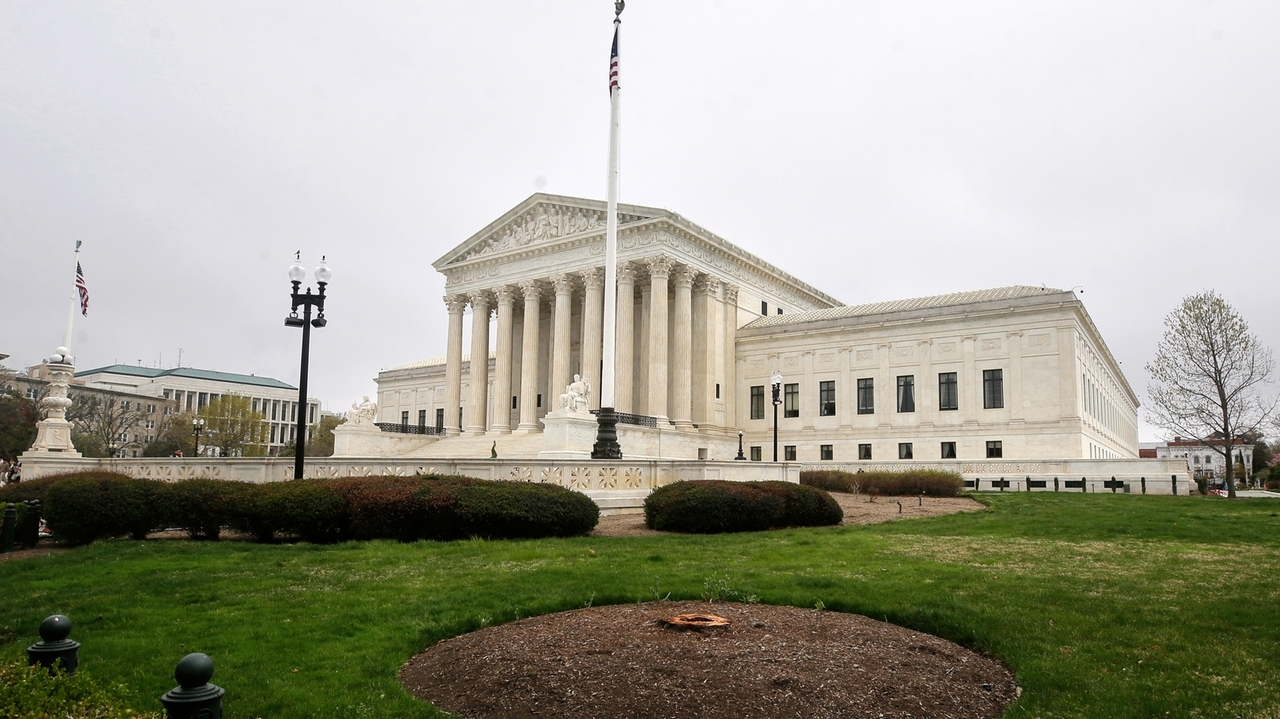
The Supreme Court appeared skeptical of arguments that would limit federal regulators’ ability to impose penalties, in a case involving more than $100 million in FCC fines against Verizon and AT&T over customer location-data sales. The justices signaled the companies may have a viable legal point on when forfeiture penalties must be paid, but the broader tone of arguments favored the government. A ruling by late June could affect telecom enforcement and similar agency penalty regimes more broadly.
The market implication here is less about the telecoms’ specific fines and more about whether agencies can continue using a low-friction administrative path to extract penalties without creating discovery-heavy court risk. If the Court preserves that framework, large-cap regulated names likely keep a structural “compliance tax” embedded in operating expense, while if it narrows it, the biggest beneficiaries are firms with repeated exposure to FCC/FTC/CFPB-style enforcement, because deterrence shifts from immediate cash outflow to slower, more contestable litigation.
For T specifically, the case is a modest negative because a favorable outcome for the carriers would lower the expected cost of recurring privacy/compliance incidents and could reduce a category of regulatory overhang that has depressed multiples versus peers. But the bigger second-order effect is on non-telecom sectors that depend on data monetization and consumer consent workflows; ad tech, mobile apps, and connected-device platforms face a higher chance of copycat legal challenges if the Court signals agencies overreached, which could force a re-rating of business models built on “fine now, litigate later” economics.
The timing matters: this is a late-June event with a binary legal headline, but the tradeable impact is likely in the 3–6 month window as lawyers reprices enforcement probability and insurers/underwriters adjust E&O and cyber coverage terms. A narrow ruling for the government likely keeps agency leverage intact and is mildly bearish for litigation-sensitive sectors; a broader ruling for the companies would be a catalyst for multiple expansion in regulated platforms and a tactical squeeze in names with high expected compliance drag.
The contrarian view is that the consensus may be overestimating the direct downside to regulators and underestimating how limited the practical change may be even if the carriers win. Agencies can still redesign procedures, raise settlement thresholds, and shift to more court-friendly enforcement; that means the real alpha is not in betting on a regulatory free-for-all, but in owning names where reduced procedural risk could lift long-run margin durability and capital return capacity.
AI-powered research, real-time alerts, and portfolio analytics for institutional investors.
Request TrialOverall Sentiment
neutral
Sentiment Score
-0.05
Ticker Sentiment
