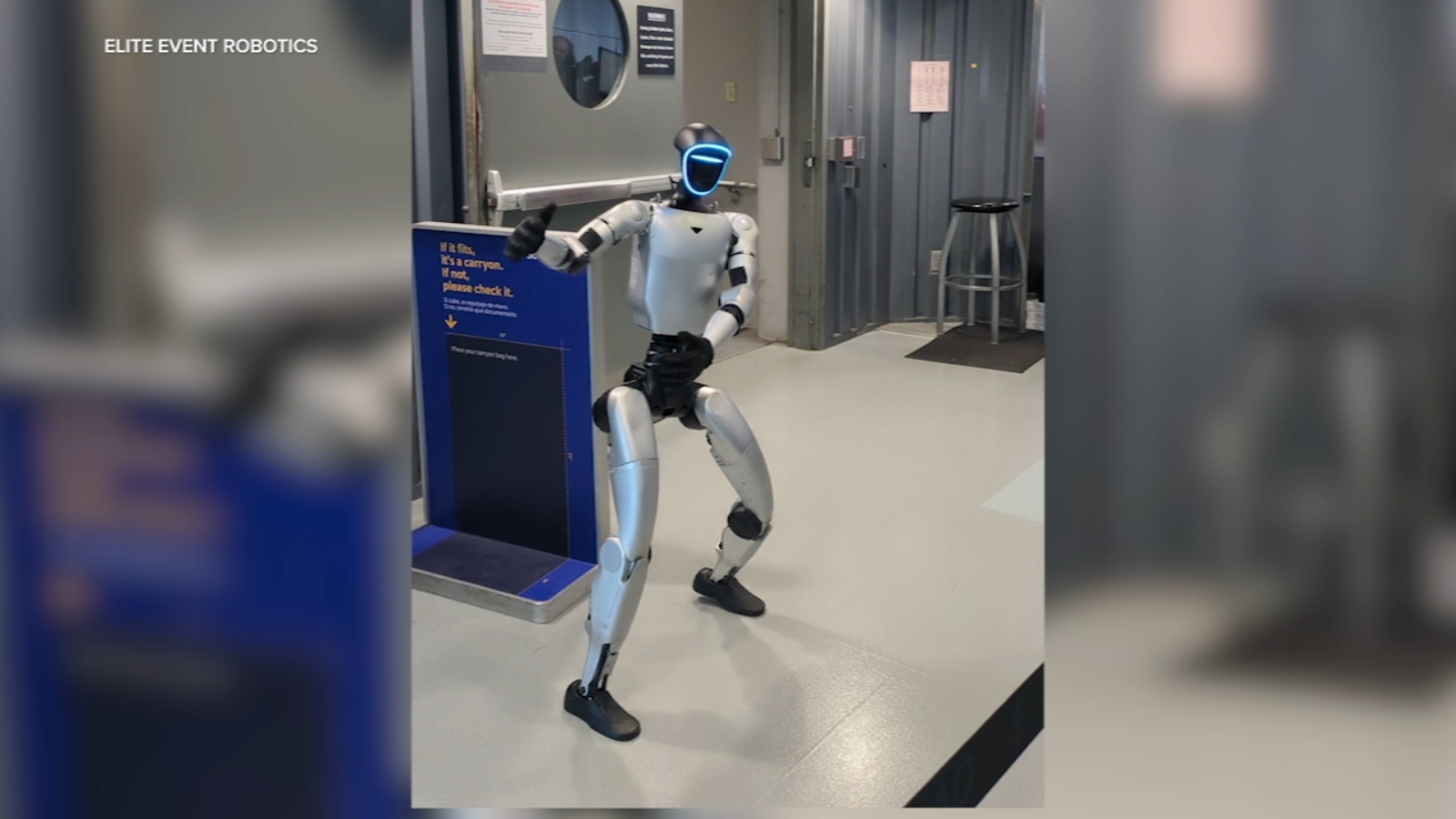
A Southwest Airlines flight from Oakland to San Diego was delayed by more than an hour after a 70-pound humanoid robot named Bebop triggered battery safety checks. Southwest said the robot's lithium battery exceeded the airline's maximum allowable size and was confiscated, forcing the delay. The incident is an isolated travel disruption with no meaningful broader market implication.
This is a micro-signal on operational friction, not a macro thesis on aerospace or mobility tech. The immediate loser is LUV, but the economic damage is trivial; the only durable impact is reputational, and even that is limited to the handful of flyers who saw a delay tied to safety screening rather than airline negligence. The more interesting second-order effect is that cargo-like or novelty tech deployments increasingly collide with airline battery compliance regimes, creating a hidden logistics tax for robotics companies that rely on ad hoc air travel to service events.
For robotics/event-tech vendors, the constraint is not weight or form factor alone but battery specification discipline. That means the commercial winner is likely to be firms that design around swappable, airline-compliant packs or have regional depots that can stage approved batteries locally; the loser is any operator whose field-service model depends on last-minute transport of oversized lithium packs. This can create real customer friction over the next 6-18 months if event schedules are tight and replacement batteries become the bottleneck rather than the robot itself.
On LUV specifically, the market should ignore the headline unless this becomes a pattern. The only actionable read-through is that Southwest's policy enforcement remains rigid, which is mildly positive for safety and consistency but can generate sporadic boarding delays in edge cases. The contrarian point is that these incidents can actually improve carrier pricing power at the margin if they reinforce a low-risk brand versus competitors with more permissive but less predictable enforcement; however, that effect is far too small to matter for earnings.
AI-powered research, real-time alerts, and portfolio analytics for institutional investors.
Overall Sentiment
neutral
Sentiment Score
-0.05
Ticker Sentiment
