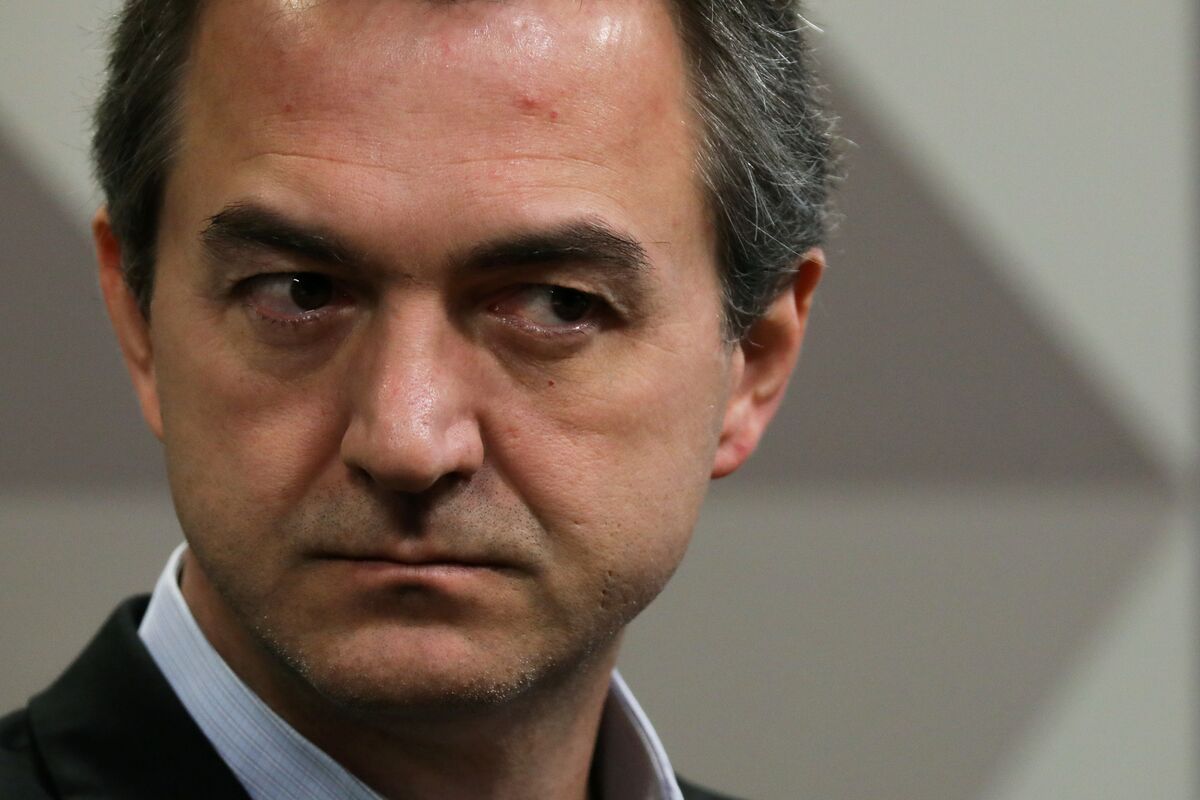
Joesley Batista, co-owner of JBS NV, flew to Caracas and met with Venezuelan President Nicolás Maduro on Nov. 23 to urge him to heed U.S. President Donald Trump’s call to step down and allow a peaceful transition. Batista is positioning himself as a private intermediary between the Trump administration and Maduro’s regime; the trip is politically significant but contains no direct corporate or financial announcements and is unlikely to materially alter market fundamentals in the near term.
Market structure: A private backchannel from a Brazilian tycoon to Caracas raises geopolitical tail risk rather than an immediate commodity shock. Winners would be liquid global oil exporters and defense/EM-protection trades if sanctions escalate; losers are Venezuelan assets, high-beta EM equities (EEM) and any corporates with governance-contingent funding like JBS (JBSAY/JBSS3). Expect a discreet rise in oil and EM volatility over days–weeks rather than a sustained supply deficit absent >400–500 kbpd of lost Venezuelan output. Risk assessment: Tail scenarios include US-backed regime change or violent collapse producing a >$10/bbl crude move and EM sovereign CDS widening >100–200bps; corporate governance probes into JBS could widen its credit spread by 100–300bps and knock 10–25% off equity in 3–6 months. Immediate (days) risk is volatility; short-term (1–3 months) is sanction sequencing and markets’ repricing; long-term (6–18 months) is regulatory and financing impact on Brazilian corporates. Hidden dependency: Brazil domestic politics and JBS’s past legal issues amplify reputational contagion to lenders and counterparties. Trade implications: Favor hedged, time-boxed positions: protect portfolios against a 5–15% EM drawdown and a 10–20% idiosyncratic hit to JBS while keeping directional bets small. Use options to express views rather than outright concentrated equity shorts given political tail-risk unpredictability; monitor oil >$80 or CDS moves (+100bps) as execution triggers. Contrarian view: Markets may underprice governance fallout for JBS while overpaying for immediate oil disruption — past parallels (Libya 2011) show spikes fade in 3–6 months once alternative supplies fill gaps. A measured approach (small, defined-loss options + relative-value pairs) captures upside from volatility without assuming forced regime change; downside is regulatory backlash in Brazil if funds visibly target domestic champions.
AI-powered research, real-time alerts, and portfolio analytics for institutional investors.
Request DemoOverall Sentiment
neutral
Sentiment Score
0.00
Ticker Sentiment
