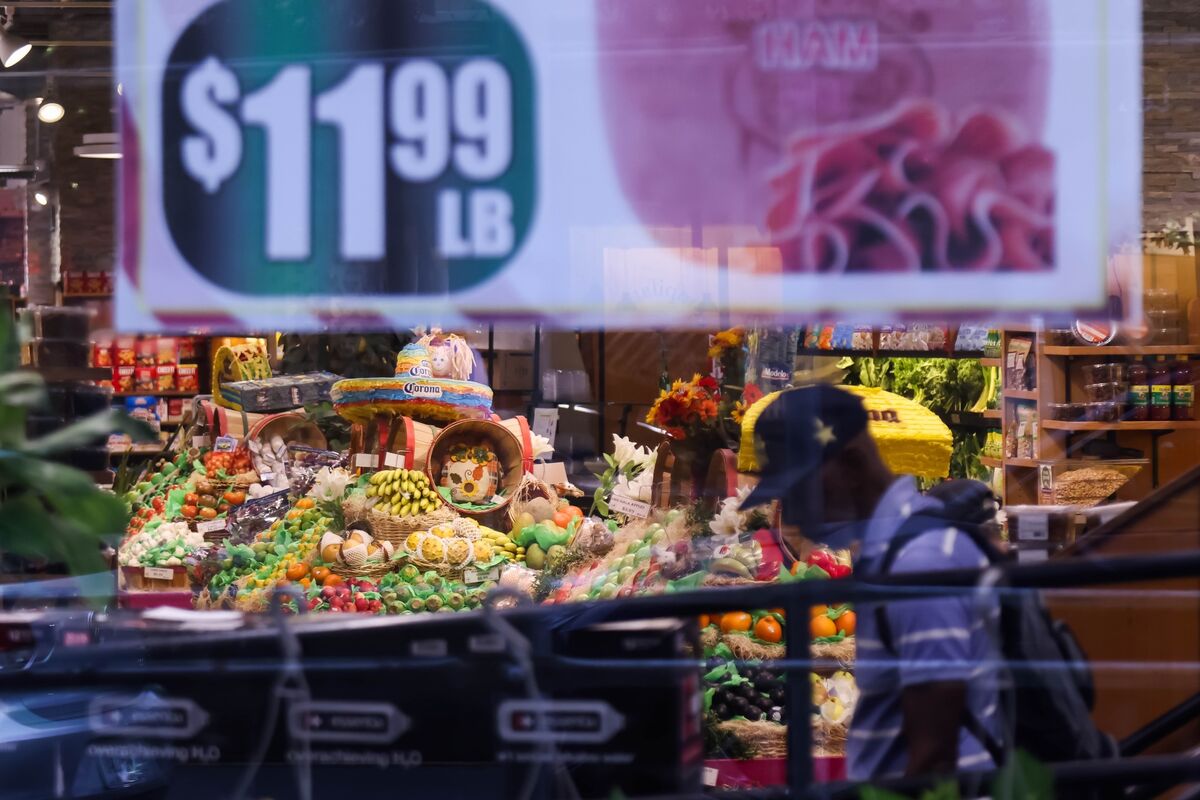
U.S. grocery prices are accelerating, with April prices rising at the fastest pace in nearly four years as bad weather, tariffs and a shrinking cattle herd lift costs. Economists expect additional pressure from the Iran war and a possible El Niño pattern, with inflationary effects potentially extending into 2027. The article points to a broad, market-wide inflation shock that is negative for consumers and input-sensitive retailers.
The important second-order effect is not just higher grocery bills, but a widening spread between food-at-home inflation and wage growth, which tends to hit lower-income cohorts first and hardest. That usually shows up with a lag in discretionary categories: consumers trade down in mix, not calories, so the early winners are private-label grocers and discounters while branded packaged foods face volume pressure even if they can pass through some price. The mix of weather, tariffs, and herd liquidation creates a multi-year supply response problem rather than a one-quarter price shock. In proteins, the key is that cattle supply elasticity is slow: once herd rebuild incentives kick in, pricing can stay elevated for 6-12 quarters even if feed costs ease. Meanwhile, if El Niño materializes, the market may be underestimating how broad the inflation impulse becomes via produce, dairy, and feed grains, which raises input costs across the entire food chain and squeezes restaurant margins at the same time. Consensus is likely treating this as a generic inflation headwind, but the more interesting angle is dispersion. Companies with commodity exposure and weak pricing power get hit twice: first by gross margin compression, then by demand downgrades as consumers trade down. By contrast, value retailers and select food distributors can gain share even in a weak demand environment because they benefit from basket migration and higher traffic, not unit growth. The risk to the trade is policy reversal or supply normalization: tariff relief, favorable weather, or faster herd rebuilding could cap the inflation impulse after the next few prints. But the more likely catalyst path is gradual, not abrupt, which makes this a better 6-18 month relative-value setup than a short-term macro reversal trade.
AI-powered research, real-time alerts, and portfolio analytics for institutional investors.
Overall Sentiment
strongly negative
Sentiment Score
-0.55
