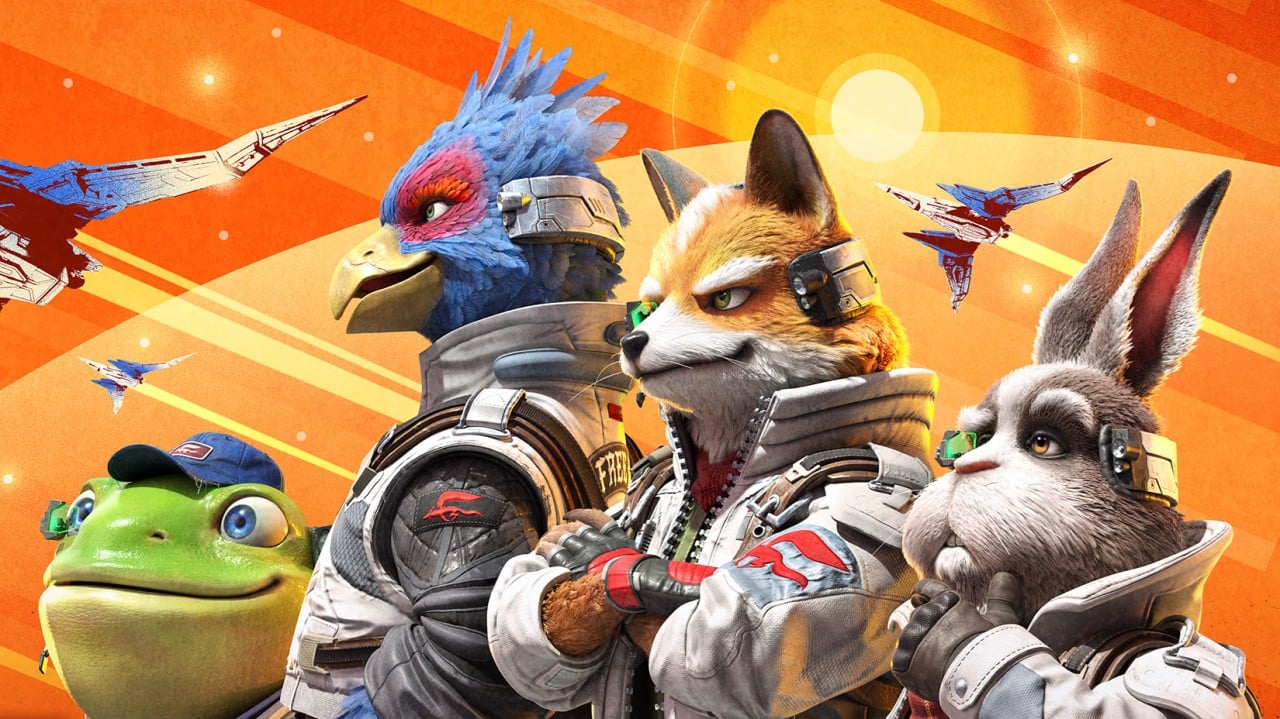
Nintendo has released 10 Star Fox tracks early on its Nintendo Music app, delivering about 30 minutes of orchestral soundtrack content ahead of the Switch 2 game launch. The special release is available only to active Switch Online subscribers, and the broader service already includes the Lylat Wars soundtrack with 39 tracks. The game is scheduled for Switch 2 release on 25 June 2026.
Nintendo is using content drip as a low-cost demand amplifier: by seeding music early, it extends the engagement window ahead of the hardware launch and keeps the franchise in active rotation without needing new physical inventory. The second-order effect is not just brand awareness; it reinforces the subscription bundle’s value proposition, which should modestly improve retention and reduce churn into the console launch window. That matters more than the soundtrack itself because recurring membership economics are far higher quality than one-time software spikes.
The competitive signal is that Nintendo is continuing to own the full funnel: nostalgia, content distribution, and platform access all sit inside its ecosystem. That makes it harder for adjacent entertainment ecosystems to capture the same user time, especially when the user already pays for the gatekeeper service. The likely beneficiaries are the platform economics and first-party attach rates, while any third-party publishers hoping for mindshare around the launch face a temporary attention squeeze in the 2-6 week period before and after release.
The main risk is that this is a sentiment event, not a monetization catalyst, so the market may over-rotate on launch hype and then fade once the novelty wears off. If the console supply situation is constrained, early enthusiasm could actually amplify disappointment if availability disappoints in the first 30-60 days. Conversely, if Nintendo uses this as a template for more pre-launch content bundles, the long-duration thesis improves because it suggests a repeatable engagement engine rather than a one-off franchise marketing push.
The contrarian view is that the move may be underappreciated as a retention lever rather than a content story. Investors may focus on launch-unit speculation and miss that small, high-frequency engagement touches can meaningfully increase the lifetime value of a paid subscriber base. In that framing, the real asset is not the game title but the installed user relationship that Nintendo can monetize repeatedly across hardware cycles.
AI-powered research, real-time alerts, and portfolio analytics for institutional investors.
Request DemoOverall Sentiment
mildly positive
Sentiment Score
0.15
