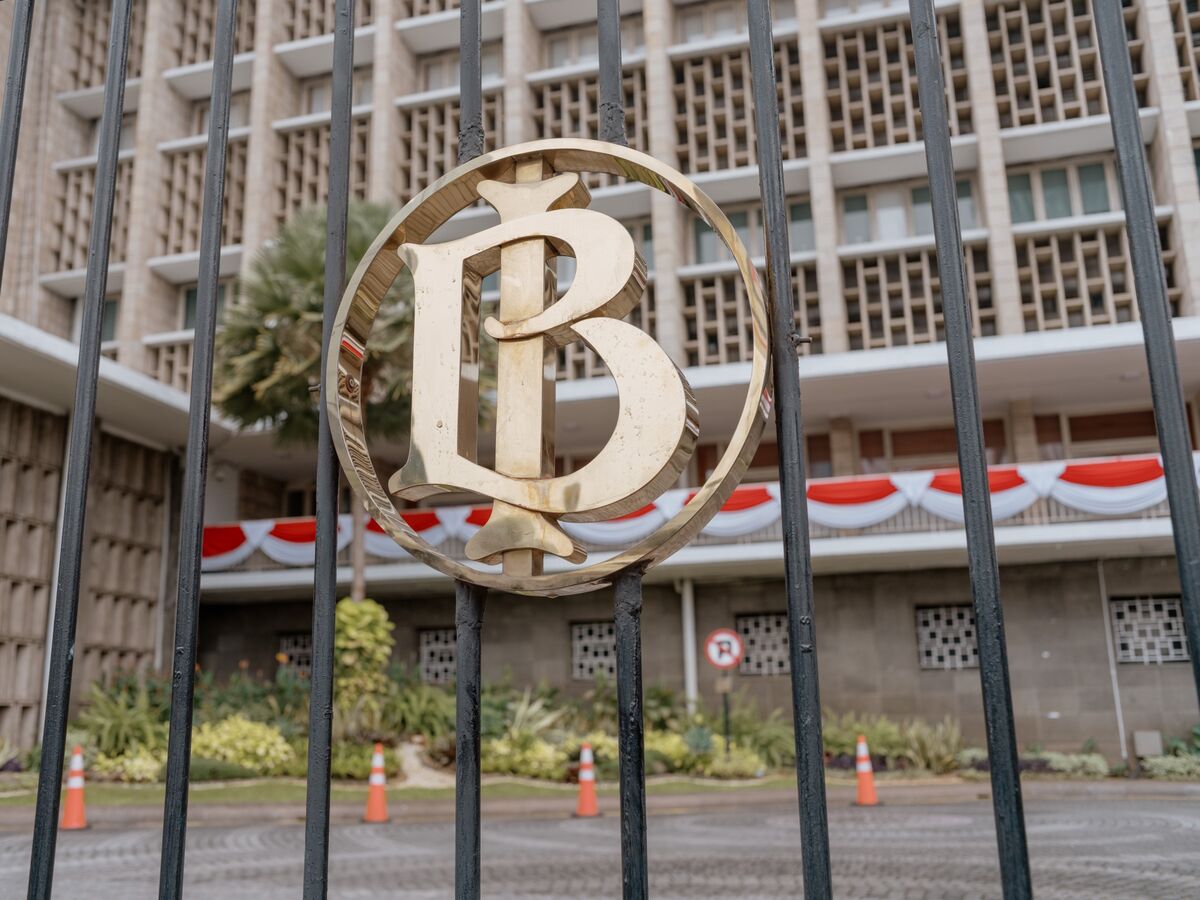
Analysts anticipate Bank Indonesia will continue its substantial bond-buying program next year, projecting purchases of up to 200 trillion rupiah ($12 billion) in government debt from the secondary market. This aggressive intervention is intended to ensure the efficacy of its loose monetary policy by injecting liquidity into banks and offsetting significant foreign selling, particularly as commercial lending rates have not fully reflected the central bank's 1.25 percentage point rate cuts this year.
Bank Indonesia (BI) is projected to continue its aggressive monetary easing into next year, with analysts anticipating purchases of up to 200 trillion rupiah ($12 billion) in government debt from the secondary market. This substantial intervention is designed to inject significant liquidity into the banking system and mitigate the impact of heavy foreign selling on the local bond market.
The central bank's dovish stance aims to bolster the transmission mechanism of its loose monetary policy, particularly as commercial lending rates have not fully reflected the 1.25 percentage point rate cuts implemented this year. By flooding banks with cash, BI seeks to ensure that its accommodative policy translates more effectively into lower borrowing costs for the real economy.
This sustained bond-buying program underscores BI's commitment to supporting economic activity and maintaining financial stability in an emerging market context. The ongoing liquidity provision is crucial for bridging the gap between policy intentions and actual market conditions, especially concerning the slow adjustment of commercial lending rates.
AI-powered research, real-time alerts, and portfolio analytics for institutional investors.
Overall Sentiment
moderately positive
Sentiment Score
0.45
