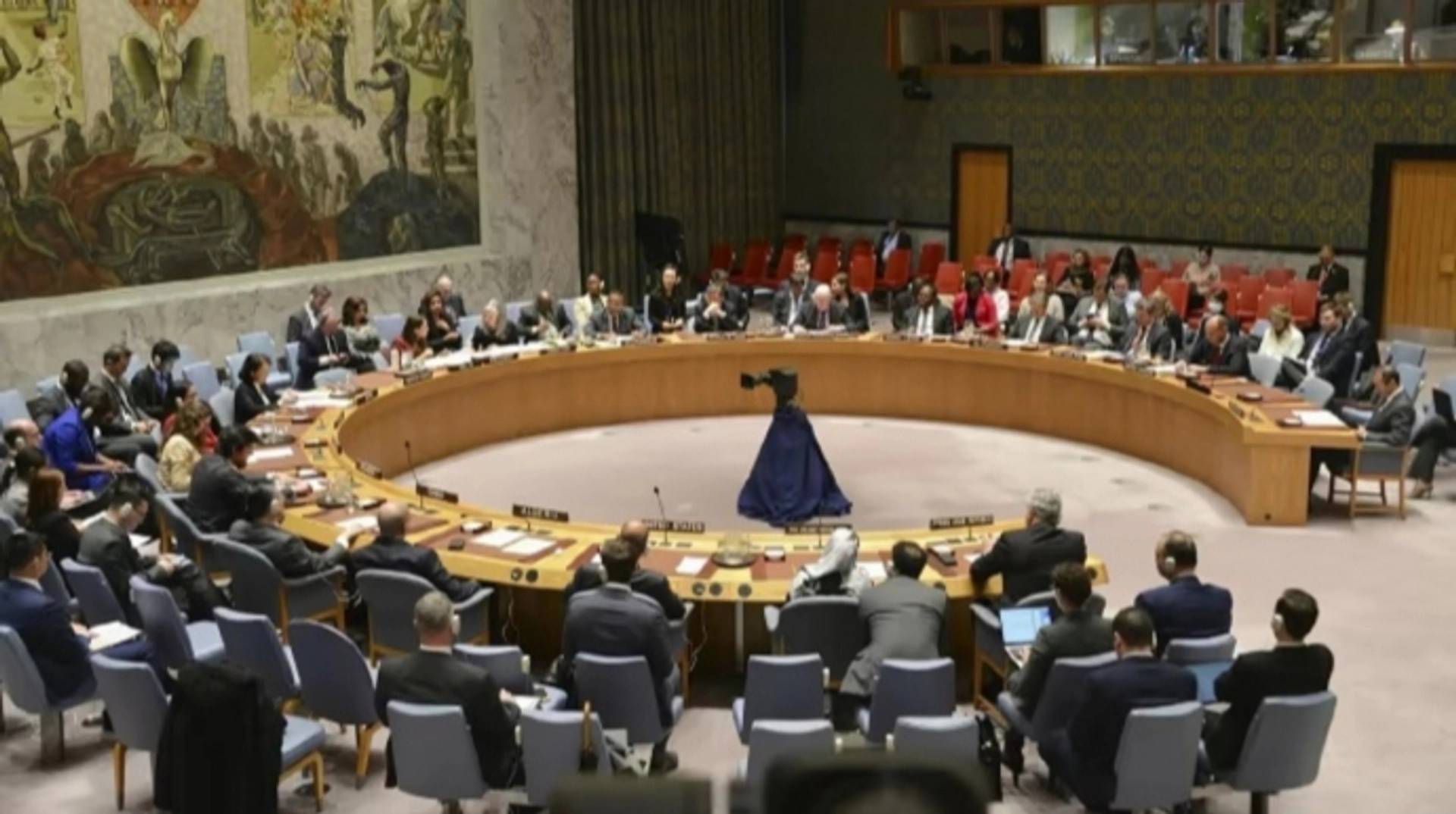
The U.S. has initiated a diplomatic campaign urging allies to reduce support for the annual UN resolution calling for the lifting of the embargo on Cuba, citing Havana's alleged deployment of 1,000-5,000 fighters to support Russia's invasion of Ukraine. This move aims to isolate Cuba and counter its narrative that U.S. sanctions are responsible for its economic crisis, which Washington attributes to the Cuban government's "corruption and incompetence," signaling an escalation of U.S. pressure on nations perceived as aiding Russia's war efforts.
US urges UN to isolate Cuba over its fighters' role in war against Ukraine – Reuters US President Donald Trump's administration has launched a diplomatic campaign to convince its allies not to support an annual UN resolution calling for the lifting of the embargo on Cuba. Source: Reuters, as reported by European Pravda Details: Washington argues that Havana is actively supporting Russia's invasion of Ukraine, particularly by sending its citizens to fight for Russia. According to an internal US State Department cable, US diplomats are being instructed to tell other countries that "after North Korea, Cuba is the largest contributor of foreign troops to Russia's aggression, with an estimated 1000-5000 Cubans fighting in Ukraine". The diplomatic cable dated 2 October was sent to dozens of US missions worldwide. It states that the US is seeking to reduce the number of "yes" votes on the resolution, even if blocking it entirely is not possible. "'No' votes are preferred but abstentions or absent/not voting are also useful," the cable says. Last year, the resolution was supported by 187 countries, with only the US and Israel voting against it, and Moldova abstaining. Washington believes the resolution "incorrectly" blames US sanctions for Cuba's economic crisis, while the real causes are "corruption and incompetence" by the Cuban government. The State Department said Cuba uses the UN vote "as a mechanism to victimise itself" and does not deserve the support of America's democratic allies. Reuters notes that only the US Congress can lift the embargo, which was introduced after Fidel Castro's 1959 revolution. Meanwhile, Cuba has accused Washington of causing the country's worst economic crisis in decades, citing shortages of goods, infrastructure collapse and hyperinflation. The State Department also said the Cuban authorities have "failed to protect its citizens from being used as pawns in the Russia-Ukraine war". Reuters said that Ukrainian officials have repeatedly warned the US about the growing recruitment of Cuban mercenaries to fight for Russia. Support Ukrainska Pravda on Patreon! The United States is escalating diplomatic pressure on Cuba by directly linking the long-standing US embargo to Havana's alleged military support for Russia in the war against Ukraine. Citing intelligence that an estimated 1,000 to 5,000 Cubans are fighting for Russia, the US is urging its allies to oppose or abstain from the annual UN resolution calling for an end to the embargo. This strategic maneuver aims to reframe the issue as a matter of international security, testing US diplomatic influence against a backdrop of overwhelming historical support for the resolution, which passed 187-2 in the prior year. The US is also actively countering Cuba's narrative by attributing its severe economic crisis—marked by hyperinflation and infrastructure collapse—to domestic 'corruption and incompetence' rather than the effects of US sanctions. This development heightens geopolitical tensions and serves as a clear warning to other nations about the potential consequences of aligning with Russia, though its direct market impact is assessed as low given Cuba's limited integration into global financial markets.
AI-powered research, real-time alerts, and portfolio analytics for institutional investors.
Request DemoOverall Sentiment
moderately negative
Sentiment Score
-0.40
