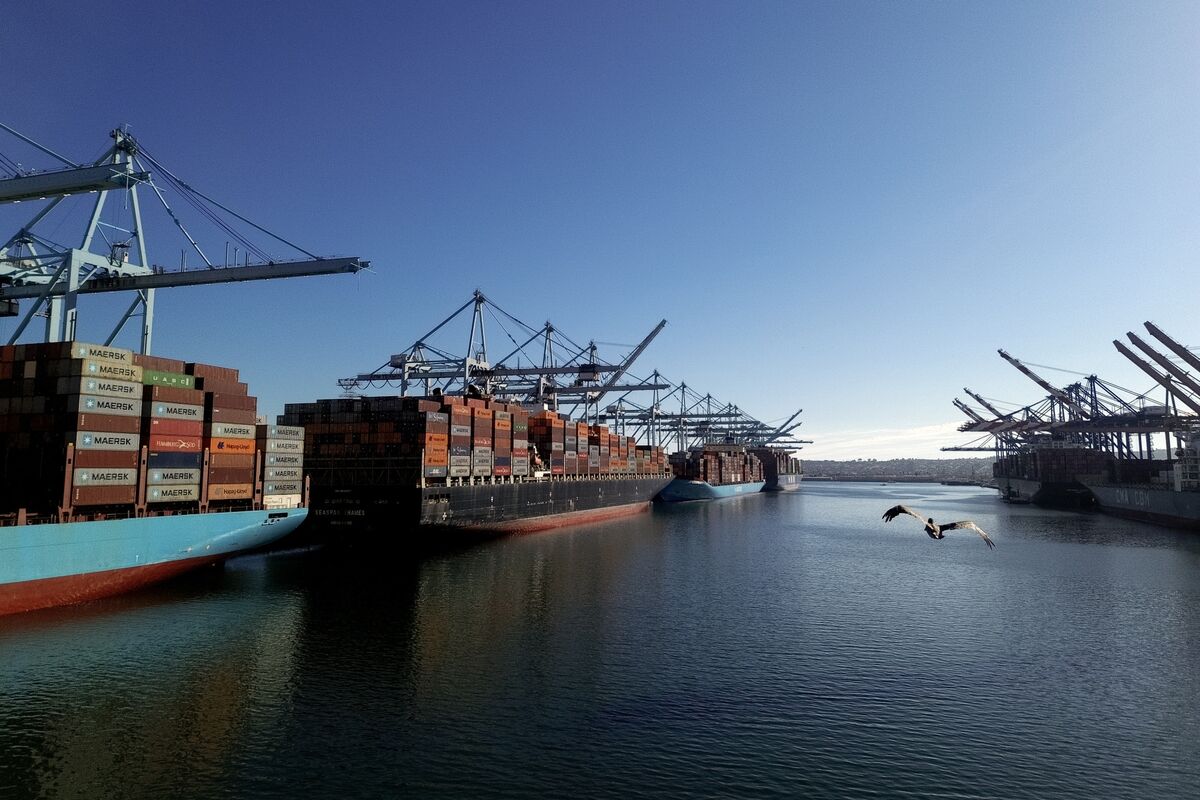
The U.S. has proposed an additional procedural step for adopting a global carbon tax on shipping emissions at the International Maritime Organization (IMO) meeting, signaling its continued opposition to the landmark regulation. This stance, echoing previous administration concerns about a "global carbon tax" on Americans, could complicate or delay the implementation of new rules designed to make vessels pay for greenhouse gas emissions, potentially introducing geopolitical friction and uncertainty for the maritime industry and related investments.
The United States has formally proposed an additional procedural step at the International Maritime Organization (IMO) talks regarding the adoption of a global carbon tax on vessel emissions. This move explicitly signals Washington's continued opposition to the landmark regulations aimed at making the shipping industry pay for greenhouse gas emissions. The Trump administration has consistently labeled this initiative a "global carbon tax" on Americans, threatening "wide-ranging measures" against nations supporting it.
This development introduces significant geopolitical friction and regulatory uncertainty for the global maritime sector. The US's stance could complicate or substantially delay the implementation of these new environmental rules, impacting the timelines and costs associated with decarbonization efforts across the shipping industry. The overall sentiment surrounding this news is moderately negative with an uncertain tone, reflecting potential headwinds for related investments.
AI-powered research, real-time alerts, and portfolio analytics for institutional investors.
Request DemoOverall Sentiment
moderately negative
Sentiment Score
-0.50
