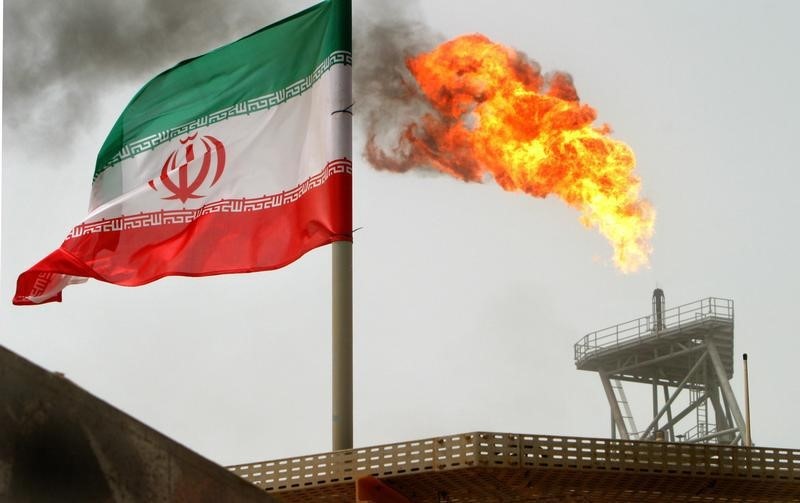
Iran says it will soon unveil a mechanism to manage Strait of Hormuz traffic and collect fees, with only commercial vessels and cooperating parties benefiting. The plan could heighten risks to a critical global oil shipping chokepoint and may keep pressure on energy and freight markets. The article also notes Trump is considering additional military measures, raising the odds of renewed escalation.
This is not just a shipping headline; it is an attempt to convert a military chokepoint into a pricing lever. If enforced even partially, the mechanism creates a quasi-toll regime that raises the marginal cost of moving crude and LNG out of the Gulf, but the bigger effect is uncertainty: charterers will demand a risk premium long before a single vessel is actually delayed. That tends to show up first in tanker rates, marine insurance, and front-end energy volatility rather than in spot cargo volumes.
The second-order loser is the integrated Asian import complex. Japan, Korea, India, and China are exposed to both higher delivered energy costs and longer inventory cycles, which can squeeze refiners and downstream chemical margins even if crude itself only rises modestly. U.S. Gulf exporters are also vulnerable: the wider the geopolitical spread in freight and insurance, the less competitive discretionary LNG cargoes become versus Atlantic Basin supply, creating an unintended beneficiary set in non-Gulf exporters and pipeline-connected producers.
The market’s initial reaction may underprice the probability of a short-lived but sharp escalation: these situations often gap on headlines and then fade if naval escorts or diplomatic backchannels restore partial flow. The real tail risk is not a full closure, but a calibrated tolling system that persists for weeks to months and normalizes higher friction costs. That is enough to re-rate near-dated energy vol and support tanker equities without requiring a true supply shock.
Contrarian view: consensus will likely focus on crude upside, but the cleaner expression may be logistics and volatility rather than outright energy beta. If traffic is rerouted or selectively fee-bearing, the beneficiaries are firms with pricing power over transport and insurance, while broad commodity longs may give back gains once physical barrels still clear. The best risk/reward sits in instruments that monetize path dependency and headline risk, not in linear exposure to spot oil.
AI-powered research, real-time alerts, and portfolio analytics for institutional investors.
Request DemoOverall Sentiment
strongly negative
Sentiment Score
-0.55
