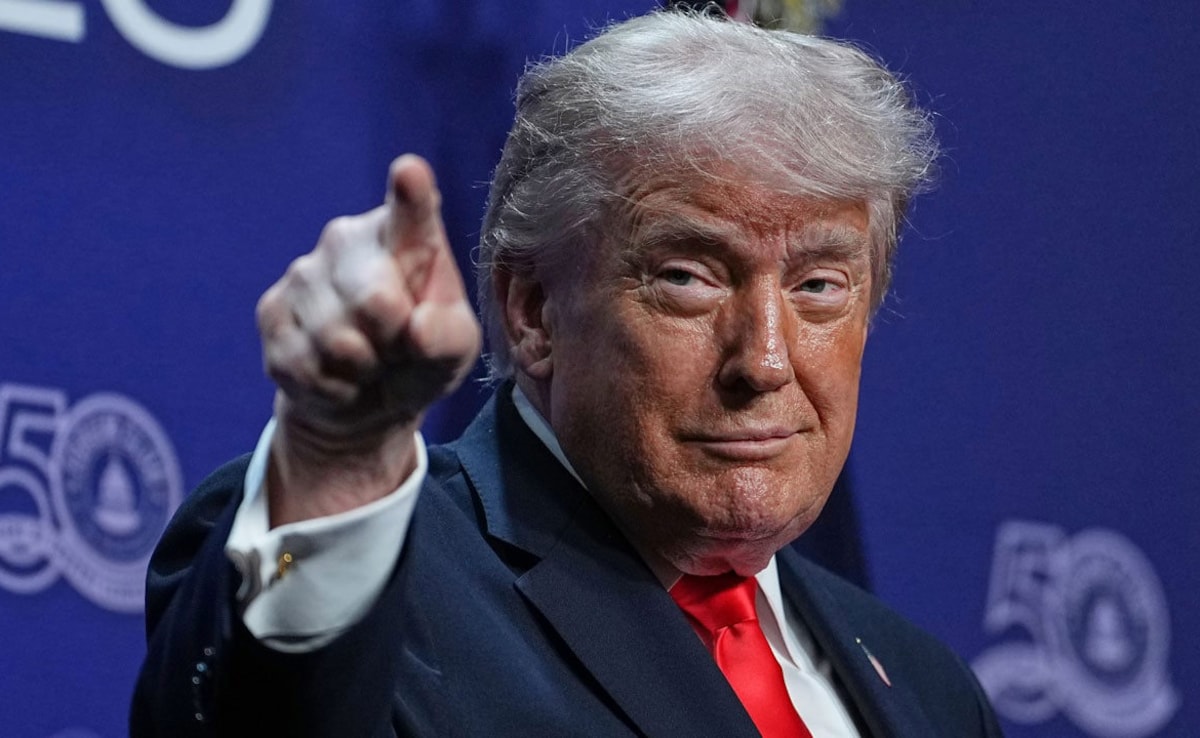
Trump said he will review Iran's new 14-point peace proposal but said he cannot imagine it being acceptable, while leaving open the possibility of renewed strikes if Iran 'misbehaves.' The article also highlights Iran's warning that the war with the United States could resume and the proposal's focus on ending hostilities and a new Strait of Hormuz framework. The comments raise geopolitical risk for energy markets and regional stability, with potential implications for oil flows through the Strait.
The market implication is not a clean oil-bullish shock, but a volatility regime shift: the credible tail risk is not a sustained price spike, it’s intermittent disruption premium around Hormuz, tanker routes, and insurance. That tends to benefit assets with convex exposure to shipping/energy friction more than plain-vanilla upstream beta, while penalizing refiners, airlines, and EM importers that cannot pass through quickly. The second-order effect is that even a modest probability of renewed strikes can keep crude forward curves backwardated and suppress downstream margins for weeks, not just days.
The most mispriced channel is logistics. Any signaling that the Strait of Hormuz could be weaponized increases rates, war-risk premiums, and vessel rerouting costs before barrels are actually lost, which can lift earnings for tanker lessors and marine insurers faster than spot oil reacts. On the downside, the global growth hit from a higher risk premium is asymmetric for emerging markets with external financing needs and heavy energy imports; those currencies and sovereign spreads can weaken even if the actual conflict remains contained.
The key catalyst window is immediate: headlines over the next 3-10 trading sessions can reprice crude, defense, and shipping far more than the eventual content of the proposal. Over 1-3 months, the bigger question is whether this becomes a negotiation backdrop or an excuse for incremental military action; the latter would support persistent volatility, not necessarily a one-way move higher in Brent. A contrarian view is that markets may be overestimating the probability of a durable supply interruption because both sides have incentives to keep rhetoric elevated while avoiding a disruption that would hurt all parties, especially if oil prices start to undermine domestic political support.
AI-powered research, real-time alerts, and portfolio analytics for institutional investors.
Request DemoOverall Sentiment
strongly negative
Sentiment Score
-0.55
