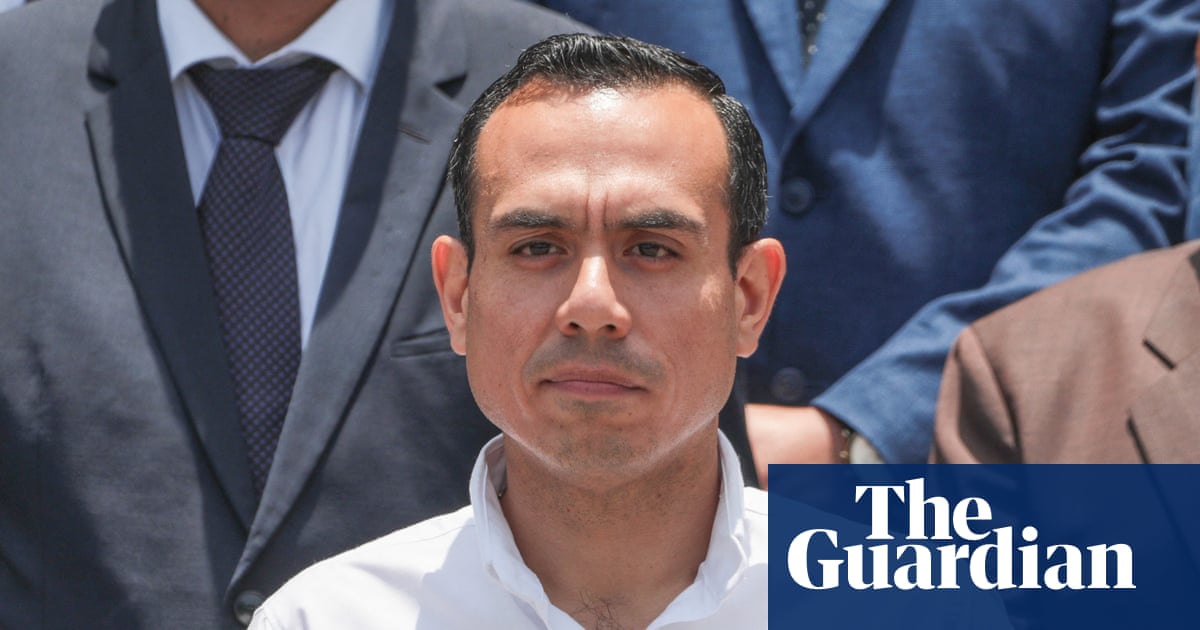
Peru's interim president, Jose Jeri, declared a 30-day state of emergency in Lima and Callao to counter anti-government protests and a surge in corruption and organized crime, following the impeachment of former President Dina Boluarte. This action, enabling military deployment and restricting freedoms, highlights significant political instability and escalating security risks in Peru, with potential adverse impacts on economic activity and vulnerable sectors like transportation. The move underscores the country's persistent governance challenges, having experienced seven governments in the past decade.
Peru's interim president, Jose Jeri, has declared a 30-day state of emergency in metropolitan Lima and Callao, effective Wednesday, to address escalating anti-government protests, corruption, and organized crime. This decisive action, allowing military deployment and restricting freedoms, follows the impeachment of former President Dina Boluarte and underscores a severe and persistent political instability in the nation, which has seen seven governments in the past decade. The move is a direct response to a spiraling security crisis that has fueled widespread public frustration and youth-led demonstrations, resulting in over 200 injuries. The security crisis has had a particularly detrimental impact on the transportation sector, evidenced by 47 bus driver deaths this year attributed to extortion-related attacks, which was a significant factor in Boluarte's dismissal. Jeri's declaration aims to shift from a defensive to an offensive stance against crime, seeking to restore peace and trust. However, the strongly negative sentiment score of -0.75 and pessimistic tone, coupled with a market impact score of 0.7, reflect significant investor concern regarding the potential for continued unrest and its economic ramifications. This situation highlights substantial risks within the emerging markets landscape, specifically impacting regulatory stability and domestic politics. While the state of emergency is intended to stabilize the situation, its implementation and public reception will be critical determinants of short-term market reactions and long-term economic outlook. The ongoing challenges pose a direct threat to business operations and investor confidence in the region.
AI-powered research, real-time alerts, and portfolio analytics for institutional investors.
Request DemoOverall Sentiment
strongly negative
Sentiment Score
-0.75
