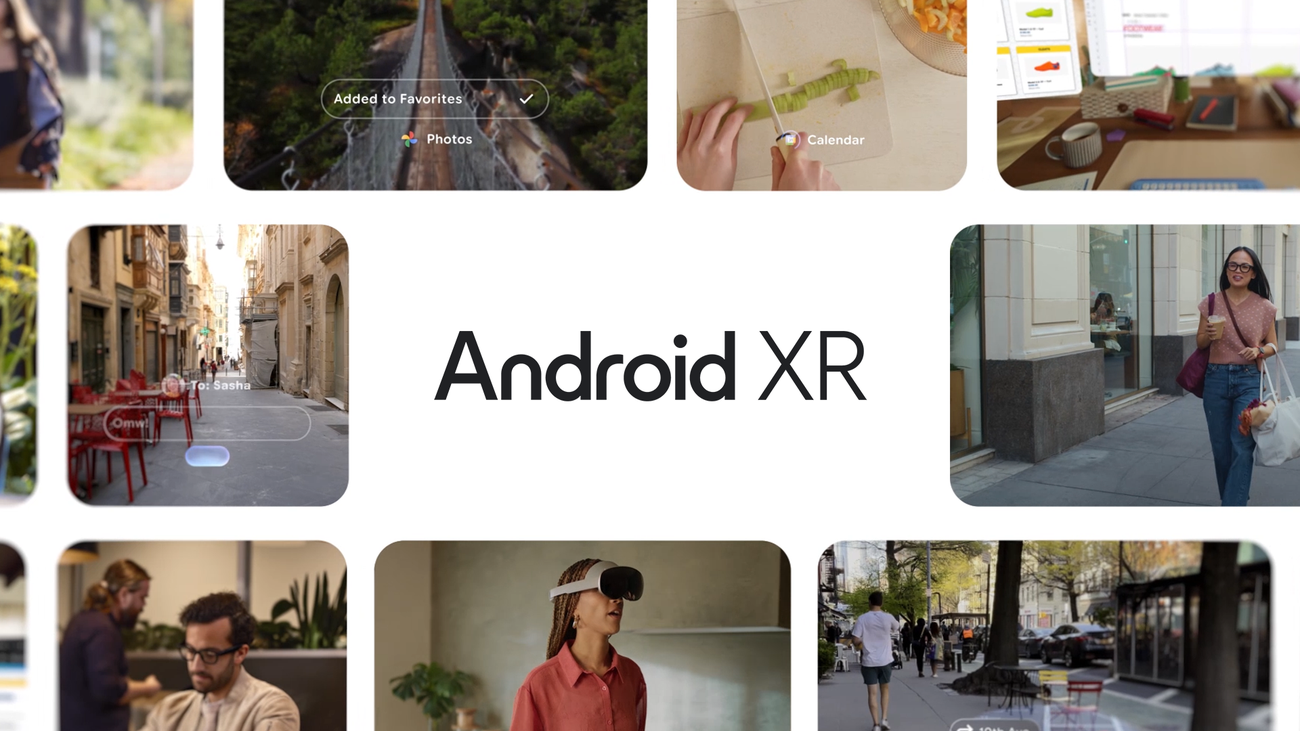
Google is expanding its Android XR platform, integrating its Gemini AI model into headsets and glasses to provide hands-free assistance and immersive experiences. The company previewed Android XR glasses with real-time language translation and contextual awareness, partnering with eyewear brands like Gentle Monster and Warby Parker to create stylish designs, and is working with Samsung to extend the platform beyond headsets. Developers will gain access to the platform later this year, signaling Google's push to establish a strong presence in the augmented reality market.
Google is significantly advancing its position in the extended reality (XR) market through the integration of its Gemini AI model into the Android XR platform, aiming to power a new ecosystem of headsets and smart glasses. This initiative, highlighted at Google I/O, promises hands-free, contextually aware AI assistance, demonstrated by features such as real-time language translation and seamless interaction with apps. Key collaborations underpin this strategy: Samsung is developing "Project Moohan" headsets (expected later this year) and extending its partnership to glasses; Qualcomm is involved in the platform; and eyewear brands including Gentle Monster, Warby Parker, and potentially Kering Eyewear, are enlisted to create stylish, wearable designs. Google's approach focuses on building both software and reference hardware to enable a broader ecosystem, with developers set to gain access to the platform later this year. This development, viewed with a positive sentiment score of 0.6 and an optimistic tone, signals Google's commitment to making AI more pervasive and establishing a strong foothold in the nascent but potentially transformative XR space, with a moderate initial market impact score of 0.4 reflecting its longer-term horizon.
AI-powered research, real-time alerts, and portfolio analytics for institutional investors.
Request DemoOverall Sentiment
Positive
Sentiment Score
0.60
