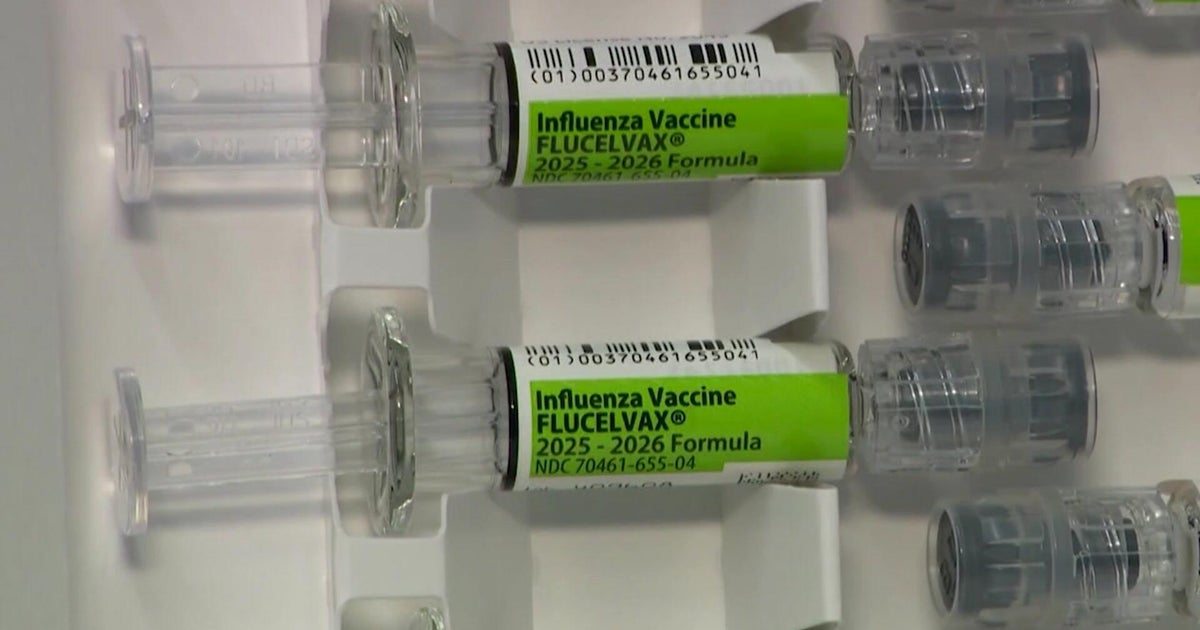
Northwell Health reports a surge in respiratory illnesses in New York ahead of the holidays: RSV cases are up 35%, COVID cases up 15%, and flu hospitalizations rose 75% week‑over‑week to 1,399 (from 798) in the week ending Dec. 6, with Northwell treating roughly 3,500 inpatients versus a typical 2,800. More than 37% of PCR nasal swabs last week were positive for an influenza A subtype; clinicians say the current vaccine is a partial match but still reduces hospitalizations and deaths. The spike risks straining regional hospital capacity, staffing and elective procedures and could depress localized holiday consumer activity, while having limited immediate systemic market impact.
Market structure: Acute near-term winners are diagnostics (PCR and multiplex testing), hospital systems with spare capacity for admissions, retail pharmacies and vaccine manufacturers; losers include airlines, hotels and restaurants owing to immediate behavior changes. Northwell’s data shows a 75% week-on-week jump in flu hospitalizations and a >25% uplift in inpatient load (2,800 → 3,500), implying testing and inpatient service demand can rise ~15–30% over 2–8 weeks while staffing/OT costs compress margins.
Risk assessment: Tail risks include a worse-than-expected influenza/COVID/RSV recombinant wave that triggers emergency authorizations, school closures or local mask mandates — a low-probability but high-impact event that would depress consumer cyclicals for 1–3 months and push safe-haven flows. Watch near-term catalysts (CDC guidance within 7–21 days, vaccine efficacy mismatch reports, antiviral supply announcements) and use hospitalization growth >20% week-over-week as a policy-trigger threshold.
Trade implications: Concrete plays favor long diagnostics (DGX, LH), pharmacies (CVS, WBA) and vaccine makers (PFE/MRNA call spreads) over the next 1–3 months; short travel/leisure (DAL, MAR) via puts or relative shorts. Implement pair trades (long DGX / short DAL) to capture asymmetric demand shock while hedging macro volatility with 30–60 day VIX call spreads; target exits by end of Q1 2026 or when PCR positivity normalizes below 10%.
Contrarian angles: Consensus underestimates persistence — under-testing masks true prevalence so lab revenues may surprise to the upside into spring; conversely, a rapid public vaccine push could blunt therapeutic demand and compress upside for antivirals. Historical flu spikes (2017–18) show 2–4 month elevated vaccine/testing cycles; monitor home-test sales (if rising >15% week-over-week) as a decelerator of lab PCR growth.
AI-powered research, real-time alerts, and portfolio analytics for institutional investors.
Request DemoOverall Sentiment
mildly negative
Sentiment Score
-0.30
