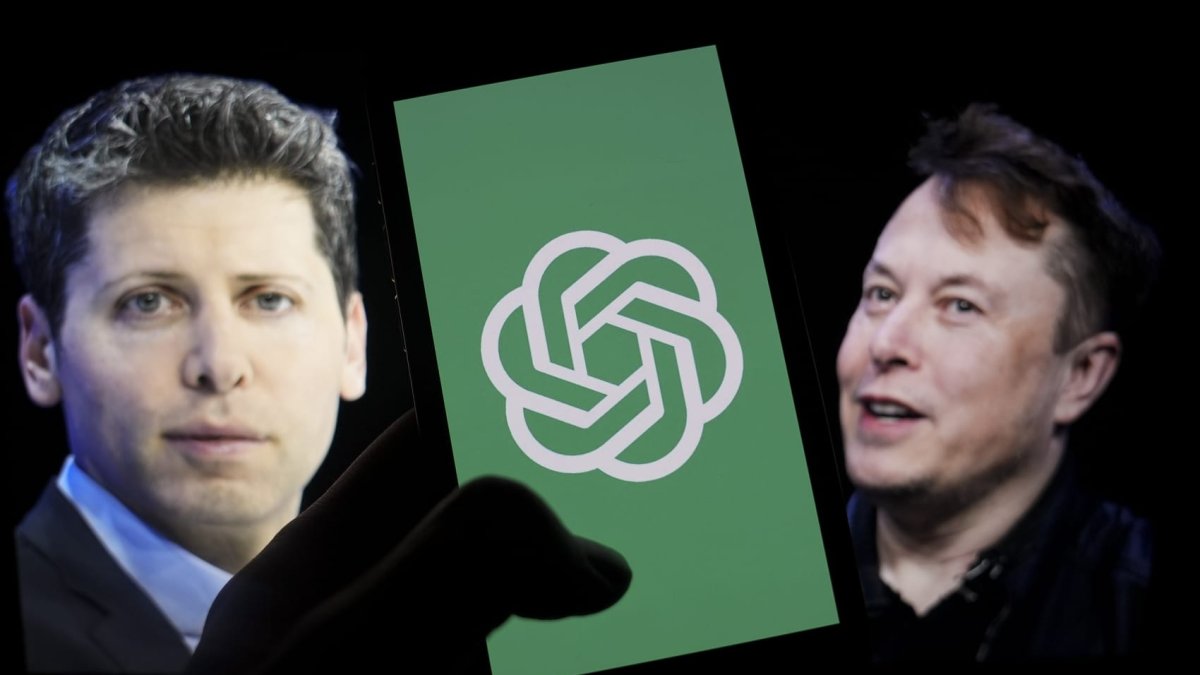
The trial over Elon Musk’s claims against OpenAI, Sam Altman, Greg Brockman and Microsoft is moving into jury deliberations, with Musk seeking up to $134 billion in disgorgement plus nonmonetary remedies that could oust Altman and Brockman. Witnesses largely reinforced OpenAI’s and Microsoft’s defenses, including testimony that donations were used for OpenAI’s nonprofit mission and that Microsoft found no evidence of a forbidden for-profit agreement. The case remains important for AI governance and OpenAI’s control structure, but the immediate market impact is likely limited unless liability or remedies are found.
The market is still underpricing how asymmetric the legal process is for Microsoft versus OpenAI. Even a weak liability showing likely matters less for MSFT’s economics than for governance optics: the real risk is a forced unwind or structural remedy that delays model commercialization, complicates capital raises, and pushes OpenAI toward a slower, more utility-like path. That is negative for OpenAI’s strategic flexibility but could be mildly positive for Microsoft if the outcome effectively entrenches its distribution and compute leverage while externalizing the governance overhang.
For TSLA, the second-order issue is not direct legal exposure but narrative contamination. Musk has made this case a referendum on his right to control frontier-AI strategy, and that can reprice investor attention around his bandwidth, board credibility, and willingness to pursue aggressive AI hiring away from Tesla. Any extended trial or unfavorable remedy keeps a lid on multiple expansion by reinforcing the “distracted founder / governance discount” that investors already apply to TSLA, particularly if the case underscores internal conflict between AI ambition and automotive execution.
The key catalyst is the judge’s remedies phase, which is much more market-relevant than the jury’s liability signal. Liability alone is a headline event; a remedy that touches ownership, control, or transaction unwind would likely trigger a second leg of downside in OpenAI-adjacent private assets and pressure listed AI infrastructure names through valuation comps. Conversely, a no-liability outcome would likely squeeze short-term litigation hedges but would not eliminate the broader overhang because the governance questions remain unresolved and could reappear in future fundraising or M&A processes.
Contrarian view: the consensus may be overestimating the probability that this becomes a binary winner-take-all event. The more likely outcome is a messy partial remedy that preserves the core business economics while adding friction, which tends to help MSFT relative to both TSLA and OpenAI’s private holders. That favors trading the spread between perceived AI enablers and AI control-risk names rather than taking a directional view on the headline trial outcome.
AI-powered research, real-time alerts, and portfolio analytics for institutional investors.
Request DemoOverall Sentiment
neutral
Sentiment Score
-0.05
Ticker Sentiment
