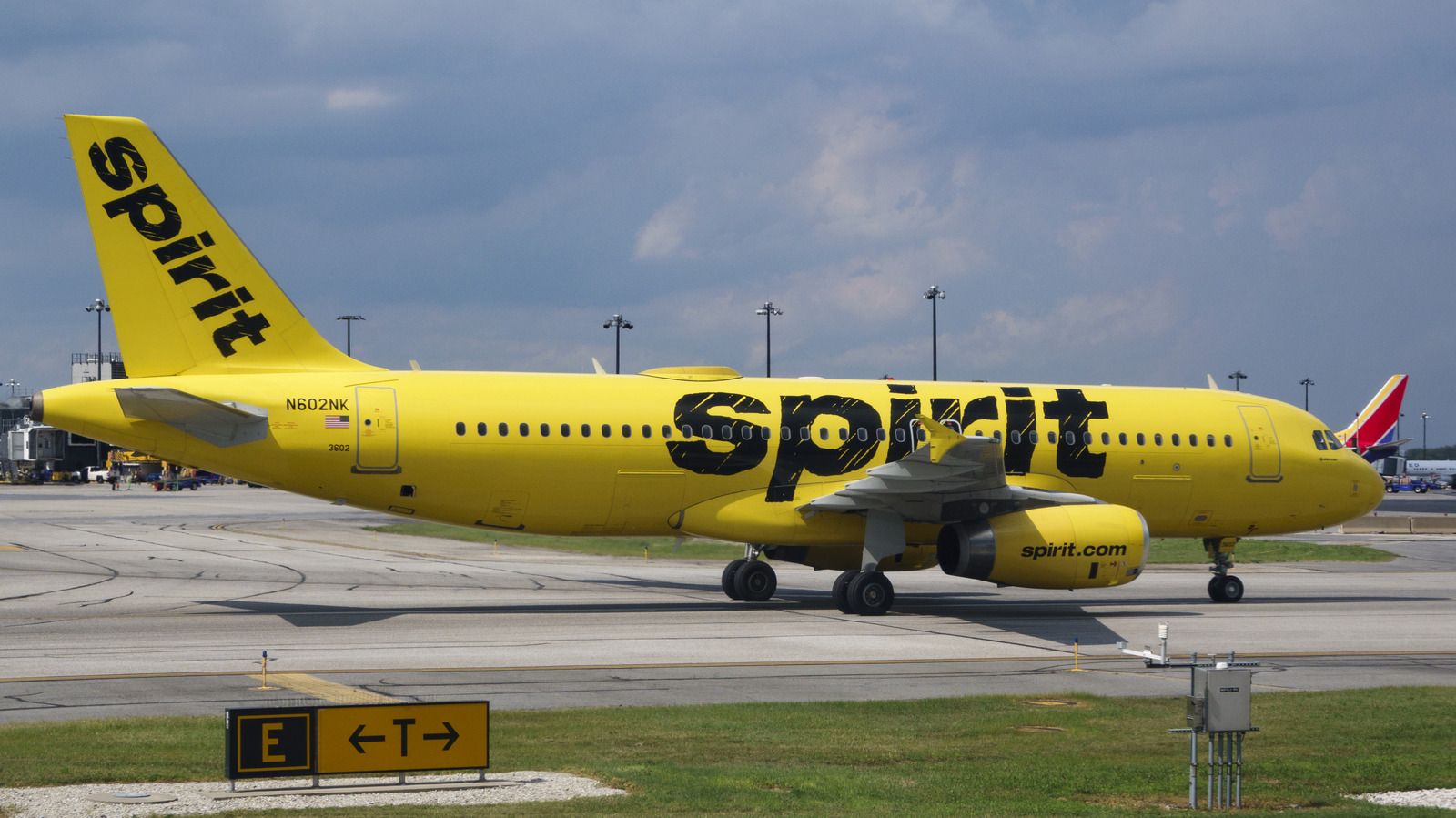
Spirit Airlines is seeking government support as it faces potential liquidation after two bankruptcies last year; restructuring will leave it with $2 billion in debt and an 80-plane fleet. The airline is considering an equity stake for a federal cash injection, while its trade group proposed temporary relief including suspension of the 7.5% federal airline ticket excise tax. Trump signaled openness to helping Spirit or backing a merger, but competitors are expected to resist aid amid elevated jet fuel prices and antitrust concerns.
The market is likely underestimating how a Spirit rescue would ripple through pricing discipline across U.S. domestic leisure travel. A federal backstop or forced merger would not just save one weak carrier; it would effectively socialize downside for the most distressed balance sheet in the group and raise the odds that other ultra-low-cost operators can also press for relief, reducing the probability of rational capacity exits. That keeps a lid on fare normalization for the next 1-2 quarters and delays margin recovery for the whole domestic cohort.
The more important second-order effect is political: once the government signals willingness to intervene on behalf of one airline, every legacy carrier becomes incentivized to lobby for either tax relief or competition concessions. That increases the odds of a messy policy tradeoff where near-term ticket demand is protected at the expense of long-term industry profitability. If any merger discussion accelerates, the antitrust lens becomes the real swing factor, because even speculative consolidation talk can lift asset values without guaranteeing actual approvals.
From a risk standpoint, the immediate tail risk is not bankruptcy itself but a policy surprise that supports liquidity and extends the runway, making short-dated bearish trades vulnerable to squeeze. Over a 3-9 month horizon, however, the fundamental issue remains fuel-cost sensitivity and weak pricing power; any bounce from bailout headlines should be faded unless it comes with capacity cuts. The consensus seems too focused on who gets saved and not enough on the fact that a rescue increases competition distortion and prolongs subscale economics across the sector.
AI-powered research, real-time alerts, and portfolio analytics for institutional investors.
Request TrialOverall Sentiment
strongly negative
Sentiment Score
-0.78
Ticker Sentiment
