
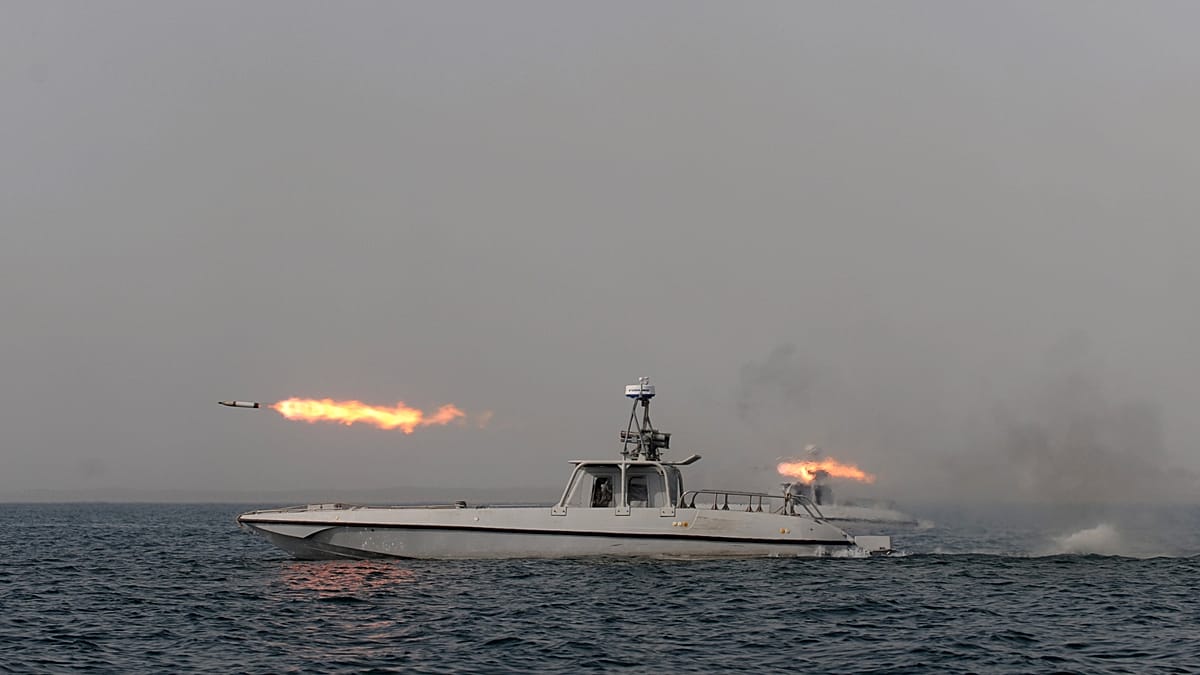
An oil tanker, the Palau-flagged Skylight, was attacked about five nautical miles north of Khasab in the Strait of Hormuz; all 20 crew were evacuated and four injured, Oman’s Maritime Security Centre said. The incident follows IRGC statements declaring the Strait effectively closed, has prompted major shipowners (including Maersk) to suspend transits and marine insurers to halt coverage, and has caused traffic to stall — analysts warn a prolonged disruption could block up to ~20 million b/d (~20% of global supply) and push Brent toward $100/b. OPEC+ (eight members) met and agreed a modest 206,000 b/d increase from April, but markets remain highly volatile pending escalation or de‑escalation.
Market structure: Immediate winners are upstream producers and oil volatility providers (Brent/WTI futures, BNO); Barclays’ 20 mb/d blockade scenario implies a potential +$15–$30/bbl shock with Brent testing $100 within days if transits remain suspended. Direct losers: container liners (A.P. Moller–Maersk AMKAF), port operators (regional port equities), marine insurers and Asian refiners that rely on Gulf crude; high freight/insurance costs will compress trade margins and re-route flows, raising unit shipping costs by an estimated 10–30% short-term.
Risk assessment: Tail risks include a kinetic full blockade (low probability, >$150/bbl spike) or an extended insurance blackout (>2 weeks) that forces sustained rerouting and structural supply cuts; immediate (0–7 days) is volatility and halted transits, short-term (weeks) is inventory draws and OPEC+ response, long-term (quarters) is durable supply-chain re-routing and higher insurance premia. Hidden dependency: insurance market behaviour (P&I and hull insurers) will determine real blockage; if London market issues blanket exclusions, physical flows stop irrespective of military posture.
Trade implications: Trade tactically for volatility—buy Brent upside and selective energy equities; favor integrated majors (XOM/CVX) and oil services (SLB) over container shippers (AMKAF) and logistics plays. Use defined-risk option spreads to express directional oil upside (30–90 day call spreads) and employ pair trades: long XOM/CVX vs short AMKAF/container-shipping ETF to capture relative winners. Set objective triggers: add risk if Brent >$95 for 72 hours or P&I market shut >7 days.
Contrarian angles: Consensus prices a long blockade; history (2019 tanker incidents) shows price spikes often mean-revert within 4–8 weeks absent wider war—so avoid naked long oil exposure beyond 3 months. Mispricings: tankers (STNG/FRO) may be overlooked beneficiaries as dayrates surge; conversely, container ships are oversold relative to cyclicality. Monitor three flip signals: IRGC formal blockade order, London P&I blanket exclusion, and a sustained weekly global crude draw >10m barrels to decide to scale exposures.
AI-powered research, real-time alerts, and portfolio analytics for institutional investors.
Request TrialOverall Sentiment
strongly negative
Sentiment Score
-0.70
Ticker Sentiment
