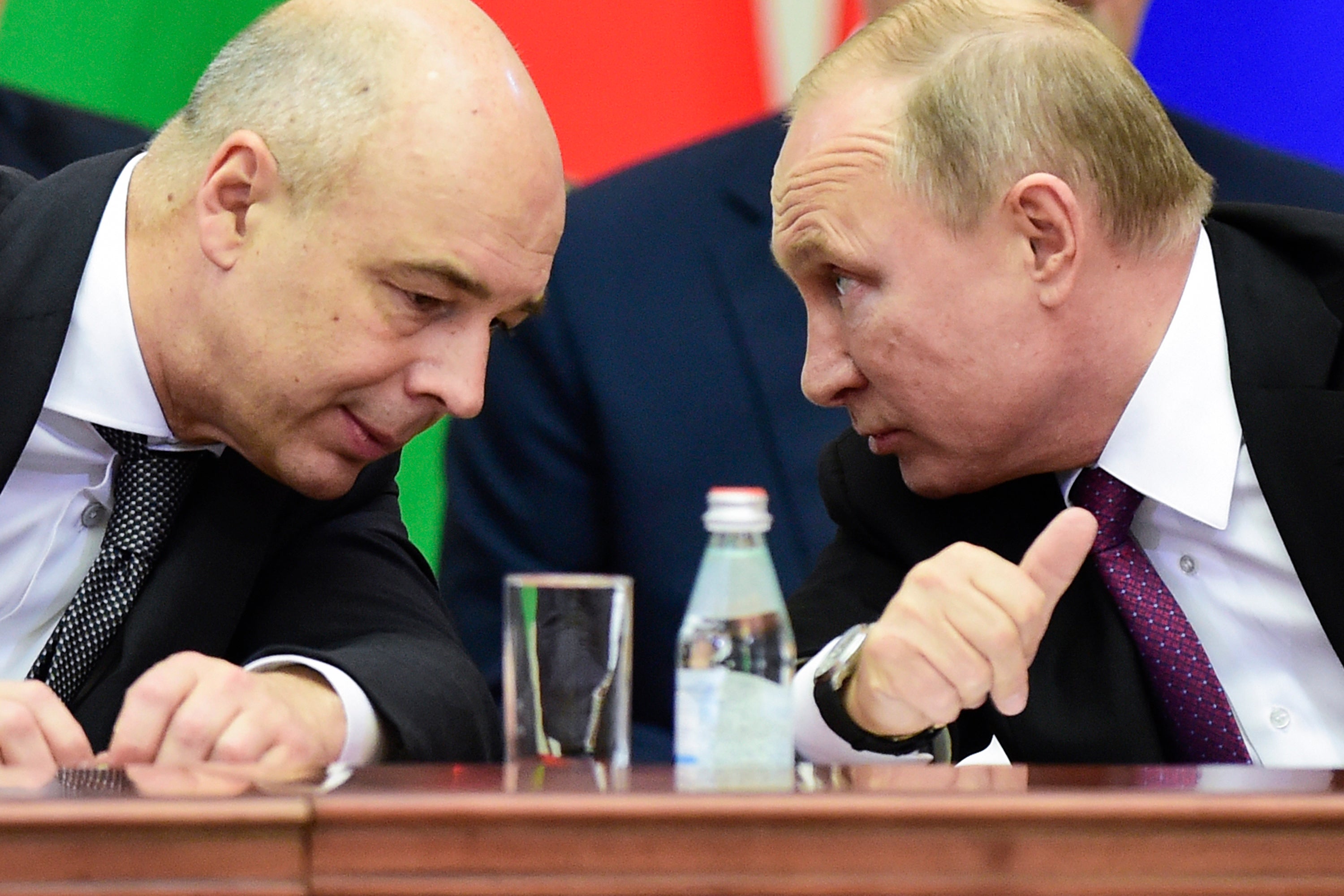
Russia expects to overspend on its Ukraine war by at least $28bn this year, with finance minister Anton Siluanov urging freezes on about ₽2.9tn of planned non-war spending and warning the war overspend could rise to ₽4tn in a negative scenario. The budget deficit has already widened to ₽5.9tn from a planned ₽3.8tn, while GDP growth forecasts for 2026 and 2027 were cut to 0.4% and 1.4%, respectively. The article also notes a sharp slowdown in Russian territorial gains in Ukraine, underscoring rising fiscal strain from the war.
The key market implication is not just a larger deficit, but a forced reallocation away from civilian demand toward a war economy that is already operating near its fiscal and labor limits. That typically means slower real growth, more administrative rationing, and a higher probability of ad hoc tax, borrowing, and subsidy changes over the next 2-4 quarters. The first-order macro loser is domestic consumption; the second-order loser is any sector dependent on government capex or household purchasing power, especially retail, autos, housing, and discretionary services.
The spending squeeze also raises sovereign risk even if headline debt ratios remain manageable. Russia can still finance deficits in the near term, but repeated revisions to the budget and growth forecasts create a classic “fiscal dominance” setup where defense needs crowd out social spending and force less efficient financing. That tends to steepen domestic funding costs, weaken bank balance sheets via higher sovereign exposure, and increase the odds of capital controls or quasi-fiscal measures if oil revenue or external conditions deteriorate.
The contrarian read is that markets may underprice how quickly war intensity can be throttled by budget stress rather than battlefield attrition. If procurement, wages, and logistics spending get squeezed, Russia may preserve headline offensive intent while losing operational tempo, which would matter more over months than days. The main upside risk to this thesis is an oil shock or looser sanctions that replenishes fiscal room; absent that, the burden compounds into 2027-2028, making this a medium-duration macro deterioration rather than a one-off headline event.
AI-powered research, real-time alerts, and portfolio analytics for institutional investors.
Overall Sentiment
strongly negative
Sentiment Score
-0.75
