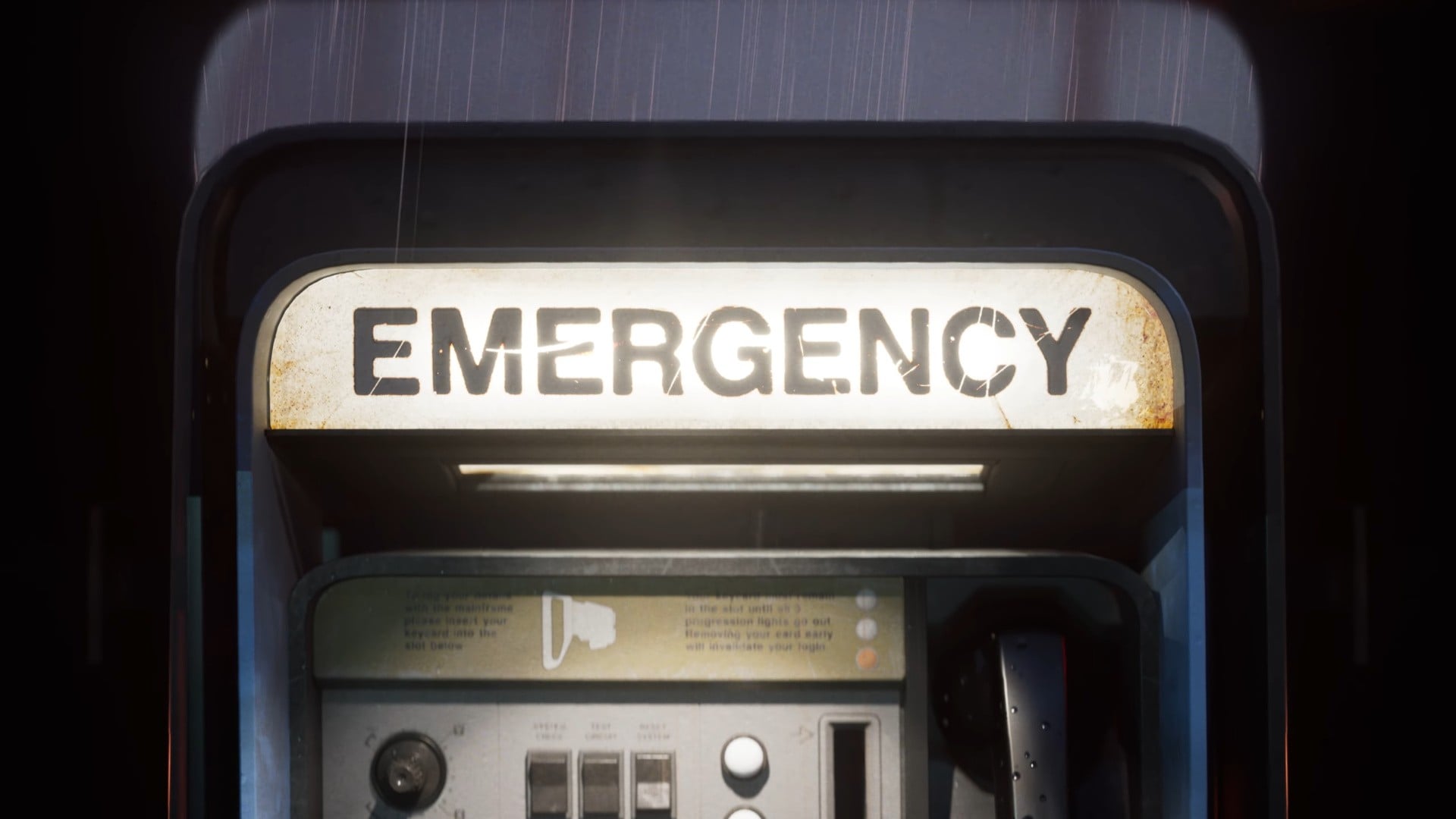
Creative Assembly released the first 25-second teaser for the new Alien: Isolation sequel, titled 'False Sense of Security,' offering only a minimal look at the game. The update confirms the project remains in early development, with no release date or gameplay details provided. The announcement is mainly a fan-facing development milestone rather than a material market event.
This is not a revenue event for a single company so much as a signal that a long-dated content franchise is being reactivated. The first-order read is trivial, but the second-order effect is that Creative Assembly is likely starting the marketing cadence early, which matters because horror IP monetizes disproportionally through wishlist conversion and repeat engagement rather than huge launch-day peaks. That favors distribution platforms and engagement-heavy ecosystems more than pure retail exposure: the real economic value is in extending the franchise halo across the next 6-12 months, not the 25-second teaser itself.
The key competitive dynamic is attention allocation inside a crowded 2025-2026 release slate. A successful revival of a cult horror brand can shift share of voice away from adjacent single-player AA/AAA titles and, more importantly, re-rate publisher confidence in dormant IP catalog monetization. If the sequel lands, it could create a measurable tailwind for the wider horror genre by validating that premium, atmosphere-driven games still command premium pricing and DLC attach rates despite live-service fatigue. The second-order loser is any mid-tier horror launch without an established IP moat, which will likely see higher marketing spend requirements and lower organic discovery.
From a risk standpoint, the near-term catalyst is not sales but cadence: additional trailers, platform announcements, and a release-window reveal over the next 1-3 quarters. The tail risk is that the teaser is used to mask a longer production cycle, which would push monetization out 12+ months and fade the enthusiasm trade. The contrarian view is that early hype around a cult sequel can be overbought if investors assume a linear path from nostalgia to bookings; in this category, quality variance is extreme and one weak gameplay reveal can unwind the entire sentiment pop very quickly.
The best setup is to treat this as a rolling event-driven theme rather than a standalone catalyst. If the broader games sector sells off on macro weakness while this franchise continues to drip-feed assets, the relative-value long is stronger than a directional beta bet. The upside case is a sustained hype cycle that improves pre-order visibility and platform engagement; the downside is simple: if the next update is another nothing-burger, the market will likely discount the project until a concrete release window appears.
AI-powered research, real-time alerts, and portfolio analytics for institutional investors.
Request DemoOverall Sentiment
neutral
Sentiment Score
0.10
