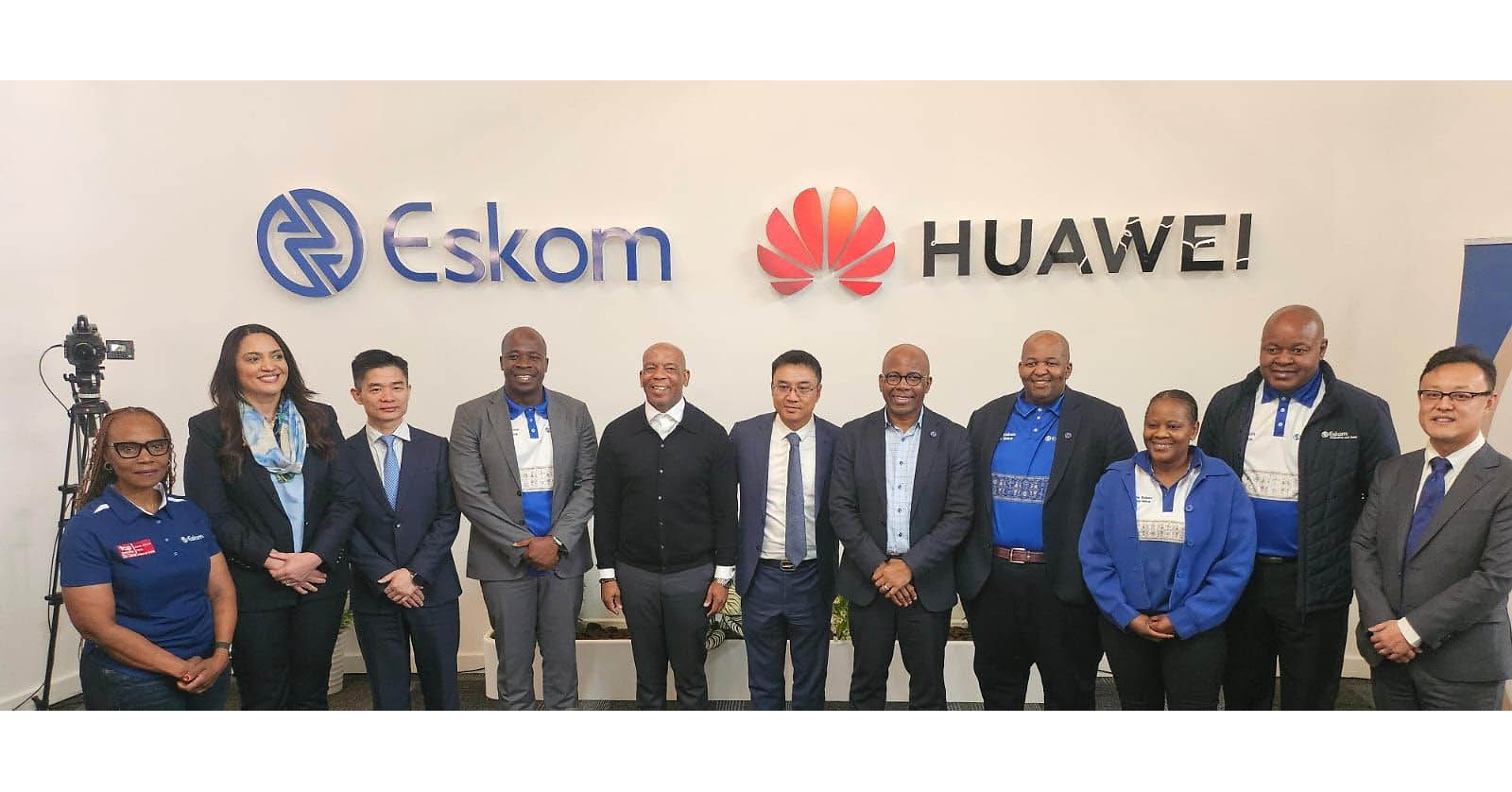
Eskom hat gemeinsam mit Huawei das Eskom & Huawei Modernisation Centre mit Smart Classroom eröffnet, um die Digitalisierung des Stromnetzbetriebs und die Personalentwicklung voranzutreiben. Das Zentrum soll Schulungsprogramme für Eskom-Mitarbeiter und südafrikanische Jugendliche in Energie-IKT, intelligenten Stromnetzen und Cybersicherheit liefern und laut Artikel die Stromabschaltungs-Krise durch verbesserten, sichereren und effizienteren Netzbetrieb entschärfen. Huawei stellt dabei u.a. Software/Hardware sowie Maßnahmen zur Cybersicherheit bereit und zielt auf die vollständige Digitalisierung von Netzsteuerung, Störungsbehebung sowie Betrieb und Instandhaltung ab.
This is less about near-term Eskom earnings and more about who gets pulled into the procurement ecosystem if digital operations actually become budgeted, standardized, and repeatable. The first beneficiaries are industrial automation and grid-software vendors with usable references in emerging markets; the second-order loser is any incumbent services model that depends on manual fault response, opaque maintenance, or fragmented control-room workflows. The real economic value comes only if the pilot converts into tenderable capex and recurring software/service spend, which is typically a 1-3 quarter lag, not a same-day revenue event.
For listed names, the cleanest read-through is to grid electrification and OT cybersecurity rather than to the utility itself: ETN, ABB, Schneider, and niche security vendors can all pick up incremental credibility if this becomes a template for other African utilities. The counterpoint is that Huawei’s involvement may actually compress pricing for Western vendors in frontier markets, since it offers an integrated stack with financing/implementation muscle. That creates a longer-run competitive headwind for higher-cost industrial software vendors unless they can differentiate on security certification and uptime guarantees.
The contrarian risk is that the market may overestimate the signal: a training center does not fix capex discipline, governance, or system reliability. If load-shedding metrics do not improve over the next 1-2 quarters, this becomes a branding event rather than an operating inflection. The key falsifier is a lack of follow-on procurement or no measurable reduction in outage frequency by the next reporting cycle.
AI-powered research, real-time alerts, and portfolio analytics for institutional investors.
Request DemoOverall Sentiment
mildly positive
Sentiment Score
0.25
