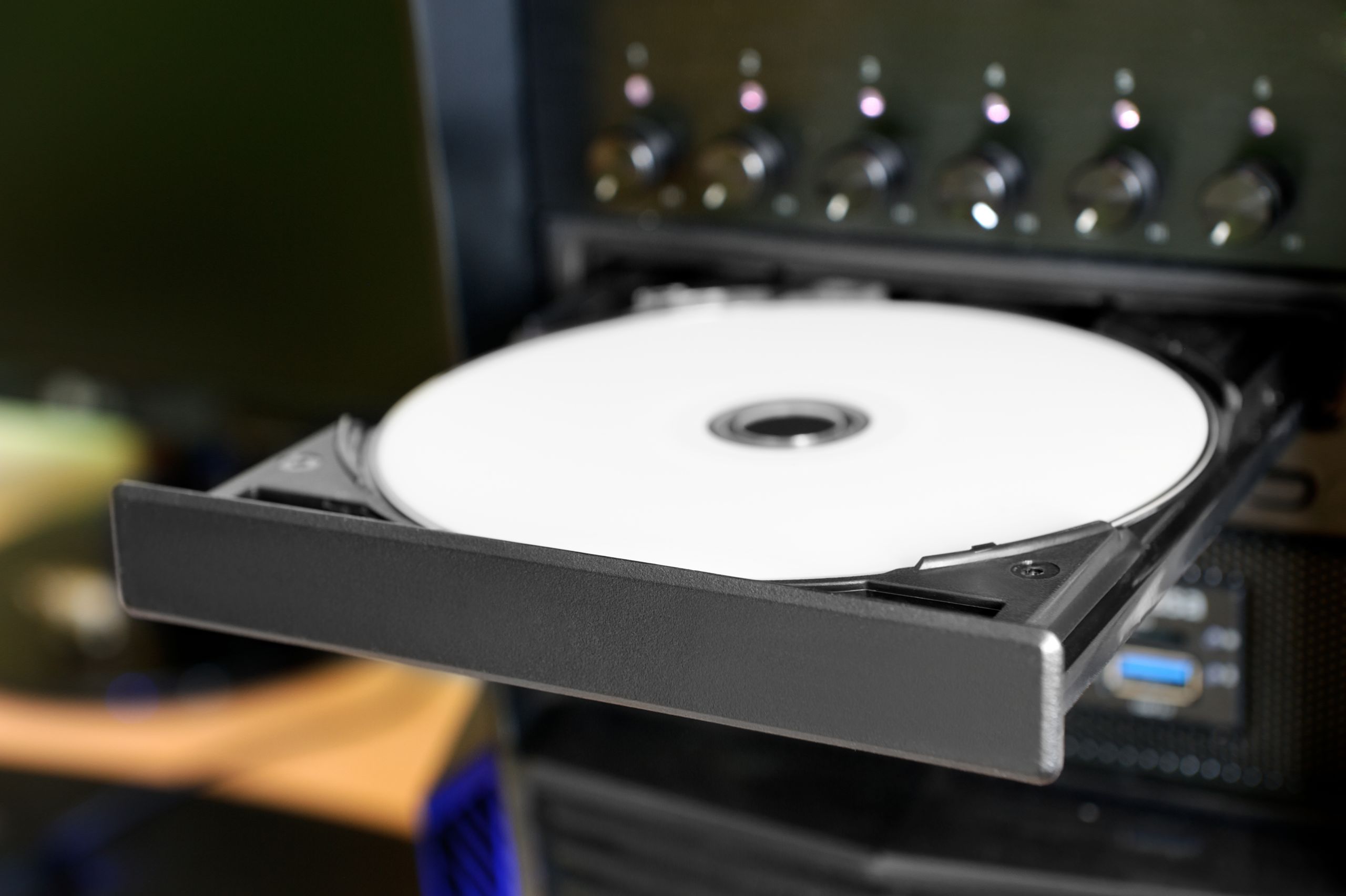
OmniDrive’s new firmware enables select modern Blu-ray drives to rip GameCube, Wii, original Xbox, Xbox 360, and Dreamcast discs to PC, with the demo successfully converting an Xbox 360 game to an ISO file. Compatibility is limited to specific MediaTek MT1959-based drives from brands including Asus, LG, Buffalo, and Verbatim, while incompatible flashing can brick devices. The development is a meaningful improvement for retro game preservation and emulation, but it is unlikely to have material market impact.
This is less a hardware story than a software-and-services unlock that shifts preservation from niche, labor-intensive workflows to a consumer-grade commodity. The second-order winner is any platform that monetizes archival or emulation tooling: once ripping friction collapses, the addressable user base expands from hardcore modders to a broader retro hobbyist market, supporting higher demand for disk dumping, checksum verification, and emulator-related software subscriptions.
The competitive implication is negative for legacy accessory vendors whose value proposition was specialized optical drives or console-specific mod kits. If the new path is reliable, it compresses the moat around console-tethered ripping workflows and reduces the need for console hardware repairs, modchips, and third-party service providers. Over time, that can also lift resale value for compatible Blu-ray drives while commoditizing older, purpose-built ripping solutions.
The main risk is that this is a narrow compatibility window, not a universal standard. Adoption can stall if the supported drive list stays limited, if firmware flashing proves too error-prone for mainstream users, or if platform owners push back with legal or reputational pressure around circumvention tools. The catalyst horizon is months, not days: the near-term reaction is likely community-driven rather than revenue-driven, but if firmware support widens, this could become the default path for retro preservation within 1-2 product cycles.
Consensus may be underestimating the indirect demand signal for optical media access rather than optical media itself. If this lowers the cost of migrating legacy libraries into digital archives, it reinforces long-tail engagement around retro gaming content and could modestly support traffic for marketplaces, emulation communities, and niche PC hardware vendors. The contrarian view is that the headline is technologically impressive but economically small unless it moves from a proof-of-concept into a trusted, repeatable workflow.
AI-powered research, real-time alerts, and portfolio analytics for institutional investors.
Request DemoOverall Sentiment
mildly positive
Sentiment Score
0.35
