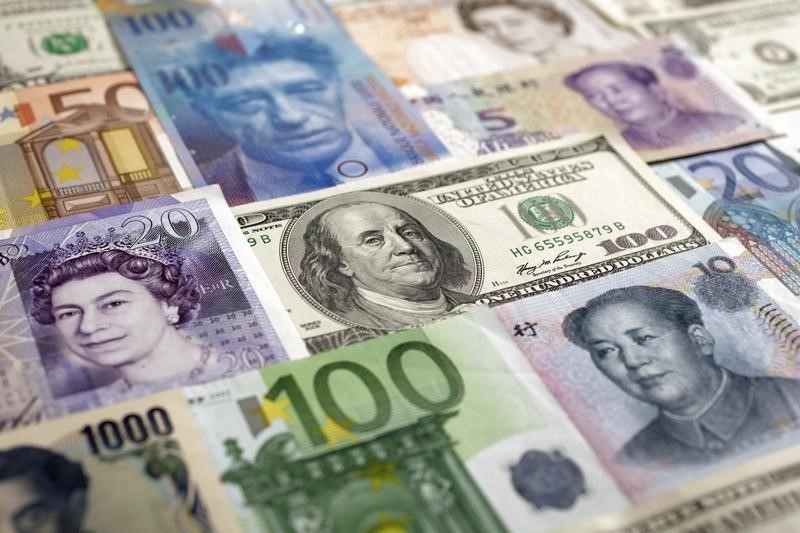
Goldman Sachs says diverging macro data and higher-for-longer energy prices are strengthening the U.S. Dollar, with the DXY rising as China and Europe show weaker growth momentum. Asian central banks are responding: Bank Indonesia hiked rates 50 bps to 5.25%, and Goldman expects the Bank of Korea, RBI, and Taiwan's central bank to tighten later this year to defend currencies and curb inflation. The article points to broader FX volatility, capital outflows, and energy-disruption risk as the main market drivers.
The market is moving from a simple “higher U.S. rates = stronger dollar” regime into a more durable relative-growth and relative-energy-cost story. That matters because the next leg is likely to show up less in outright FX and more in cross-asset dispersion: U.S. multinationals with foreign revenue drag, commodity importers in Europe/Asia, and EMs with external funding needs all face margin and balance-of-payments pressure at the same time. The second-order winner set is U.S.-centric, energy-light, and domestically levered businesses; the loser set is anything with FX mismatch, import intensity, or dependence on foreign portfolio inflows.
The policy response in Asia is the more important catalyst than the dollar itself. Rate hikes and intervention can stabilize spot currencies for a few weeks, but they usually tighten domestic financial conditions faster than they restore capital confidence, which raises recession odds and keeps local equity outflows sticky. That creates a negative feedback loop for banks, property, and consumer cyclicals in the region, while U.S. firms with Asian revenue exposure can get hit twice: weaker translated earnings and slower end-demand.
The contrarian risk is that the market may be overpricing the persistence of the energy shock. If Gulf supply fears ease or commodity flows normalize, the dollar’s support could fade quickly and the crowded long-dollar trade would unwind violently, especially versus low-beta funding currencies. In that scenario, the strongest rebound would likely be in high-quality European exporters and Asia cyclicals, but only after the market first reprices the growth damage already embedded in rates and credit spreads.
AI-powered research, real-time alerts, and portfolio analytics for institutional investors.
Overall Sentiment
mildly negative
Sentiment Score
-0.15
Ticker Sentiment
