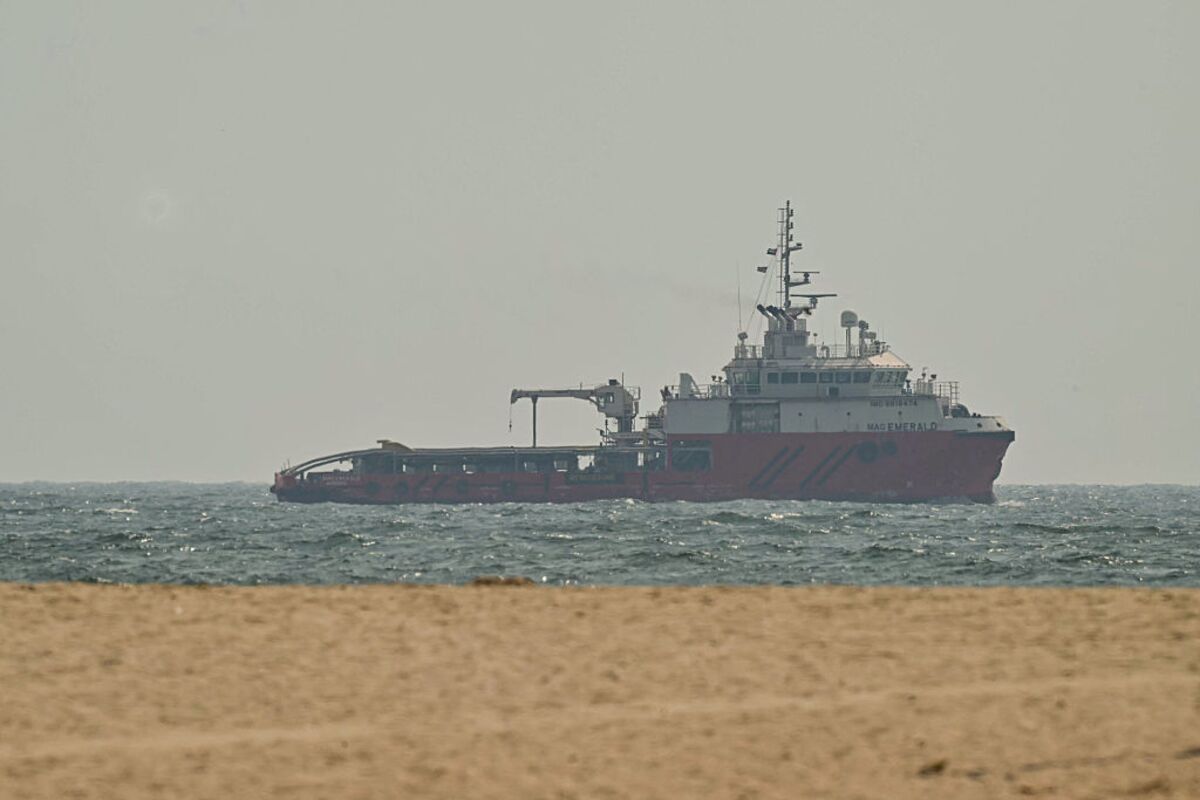
The US and Iran exchanged renewed strikes, with CENTCOM saying American forces hit dozens of targets to degrade Iran’s ability to threaten shipping in the Strait of Hormuz, including air-defense systems, coastal radar, and missile/drone capabilities. Both sides issued conflicting statements on whether the strait is open, keeping shipping and regional risk elevated. The escalatory tit-for-tat is likely to be sector- and market-moving via shipping/logistics and potential energy price volatility.
The market mechanism here is a rising probability of a persistent war-risk premium, not yet a confirmed supply shock. Even if physical flows continue, insurers, shipowners, and charterers can de-risk before barrels are actually removed, which tends to lift prompt crude, steepen near-dated volatility, and widen the Brent-WTI spread faster than the headline supply data would suggest. That favors upstream cash-flow names and commodity exposures, while pressuring fuel-sensitive end users.
The bigger second-order loser set is airlines, transport, and petrochemical users that cannot pass through fuel inflation quickly. If the Strait remains technically open but traffic slows, the impact shows up first in freight costs, longer voyage times, and spot charter rates rather than in outright shortages; that is still bearish for margins, but more muted and more tradeable via relative-value rather than outright panic. Energy equities could outperform crude if the move is driven by geopolitics rather than demand destruction, but only if prices stay elevated long enough for earnings revisions to catch up.
The contrarian risk is that the market is still treating this as a binary closure event when the more likely outcome is intermittent disruption followed by normalization. If AIS traffic, tanker insurance, and prompt spreads do not confirm a real bottleneck within days, the risk premium can bleed out quickly. The key falsifier for the bullish energy thesis is a fast retracement in front-month Brent plus no evidence of shipping delays over the next 3-7 sessions.
AI-powered research, real-time alerts, and portfolio analytics for institutional investors.
Request TrialOverall Sentiment
moderately negative
Sentiment Score
-0.60
