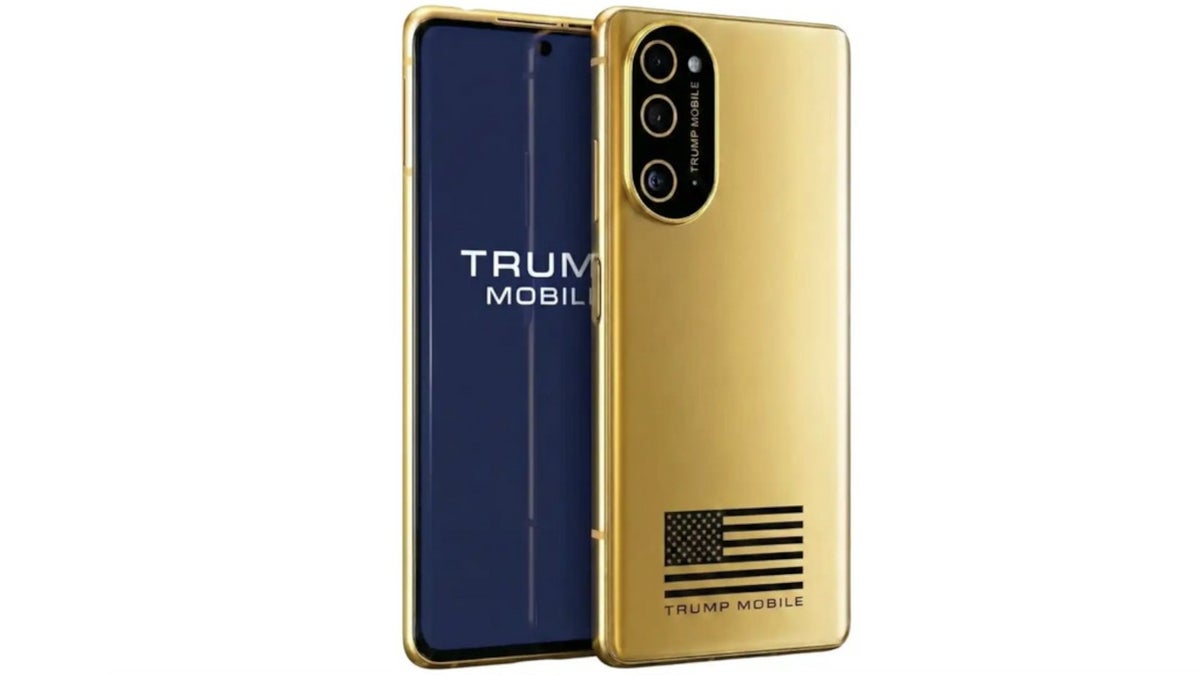
The Trump T1 Phone appears to be a modified HTC U24 Pro rather than a Revvl 7 Pro, with matching 6.8-inch display, Snapdragon 7-series chip, 12 GB RAM, 512 GB storage, and camera array. The article highlights that the $499.99 promotional price is closer to the import price of the HTC U24 Pro ($490-$525) than the Revvl 7 Pro, while questions remain about U.S. assembly claims and update support. Overall, this is a product identification and positioning story with limited market impact.
The investment relevance here is not the handset itself; it is the signal that a high-visibility “domestic” consumer brand is being layered onto an imported, mid-tier Android reference design. That implies very little incremental hardware IP is being created, but meaningful value can still accrue to the entity that controls branding, distribution, and financing—especially if the device is sold through hype rather than technical differentiation. For the broader smartphone ecosystem, this reinforces a structural truth: premium margins are increasingly reserved for software/ecosystem leaders, while white-labeled hardware remains a low-moat business with weak pricing power.
The second-order effect is on channel economics. If the product is indeed a repackaged mid-range handset, any premium pricing will likely be defended via marketing and political identity rather than specs, which can generate an early burst of demand followed by a steep conversion drop once the novelty fades. That pattern is dangerous for retailers and carrier partners because return rates, support costs, and reputational drag often show up 30-90 days after launch, not at launch. The biggest risk is not unit volume; it is customer disappointment versus expectation, which can quickly compress repeat purchase intent for the brand family.
Contrarian takeaway: the market may be over-focused on the “made in America” narrative and underfocused on the fact that this is effectively a brand/assembly play with little evidence of a durable upgrade cycle. If pricing steps up after the promotional window, elasticity could be extreme because the phone sits in a crowded mid-range bracket where consumers are very substitution-sensitive. In the background, this is mildly supportive for incumbents with real ecosystem lock-in—consumers who want reliability are more likely to stick with Apple, Samsung, or Google than gamble on a politicized white-label entrant.
AI-powered research, real-time alerts, and portfolio analytics for institutional investors.
Request DemoOverall Sentiment
neutral
Sentiment Score
0.05
