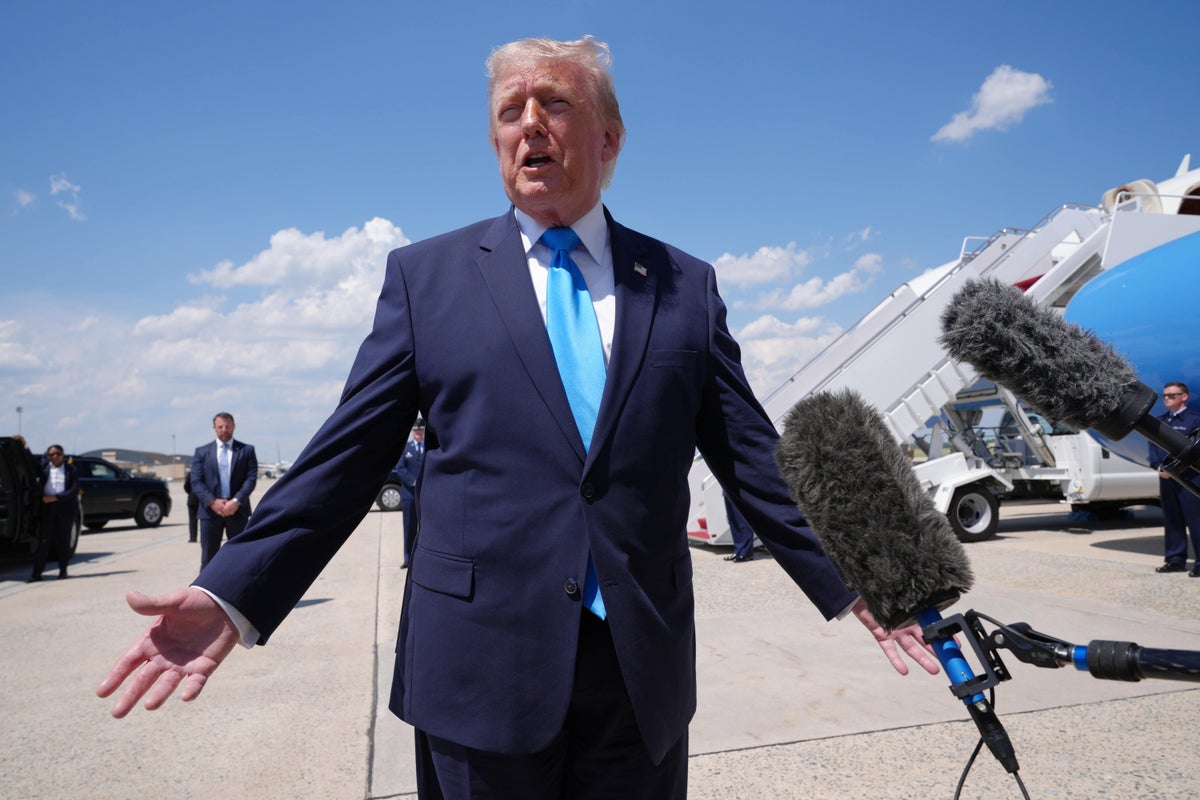
Trump said any Iran deal must include an immediate reopening of the Strait of Hormuz, while warning the US could take "a little bit nasty" actions if talks fail. The article highlights ongoing disruption to a critical oil shipping chokepoint that has already pushed petrol prices higher and triggered US naval intervention against an Iranian tanker. With renewed war threats from both the US and Iran's IRGC, the risk of further energy-market and shipping disruption remains elevated.
The market is mispricing the asymmetry between a physical disruption story and a negotiated de-escalation story. Any credible threat to keep Hormuz constrained forces a repricing across the entire marginal barrel curve, but the bigger second-order effect is on freight, marine insurance, and inventories: refiners outside the Gulf will bid up prompt cargos, while tankers stuck in transit and destination-sensitive importers face working-capital strain. The fastest beneficiaries are not just upstream energy names, but shippers and defense primes tied to escort, surveillance, and munitions replenishment.
The key tactical point is timing. If this remains a headlines-only blockade, the first move is usually a volatility spike in crude and a wider gap between prompt and deferred contracts; if the rhetoric translates into actual disruption over days, not weeks, then end-users begin forced substitutions and SPR/policy responses follow. That creates a short-duration convexity opportunity in energy and shipping, but the risk is that any partial opening of the strait crushes the premium quickly, leaving outright long crude exposed to sharp mean reversion.
The contrarian read is that the market may be underestimating how quickly non-Gulf supply chains adapt if this persists for a month or more. Europe and Asia would lean harder on Atlantic Basin barrels, raising VLCC demand and lifting refining margins in the US Gulf and India, while Gulf importers face a hidden tax from logistics costs rather than just spot oil. In other words, the durable winners are the physical-friction businesses, not necessarily the commodity itself.
The biggest tail risk is escalation outside the region: if attacks broaden, the risk premium expands from energy into global trade and defense, but that also raises the probability of a diplomatic off-ramp once growth-sensitive assets start breaking. This makes the trade highly path-dependent: the next 1-3 sessions matter for momentum, while the next 1-3 months determine whether the move becomes a sustained supply shock or just another geopolitical squeeze.
AI-powered research, real-time alerts, and portfolio analytics for institutional investors.
Request DemoOverall Sentiment
strongly negative
Sentiment Score
-0.62
