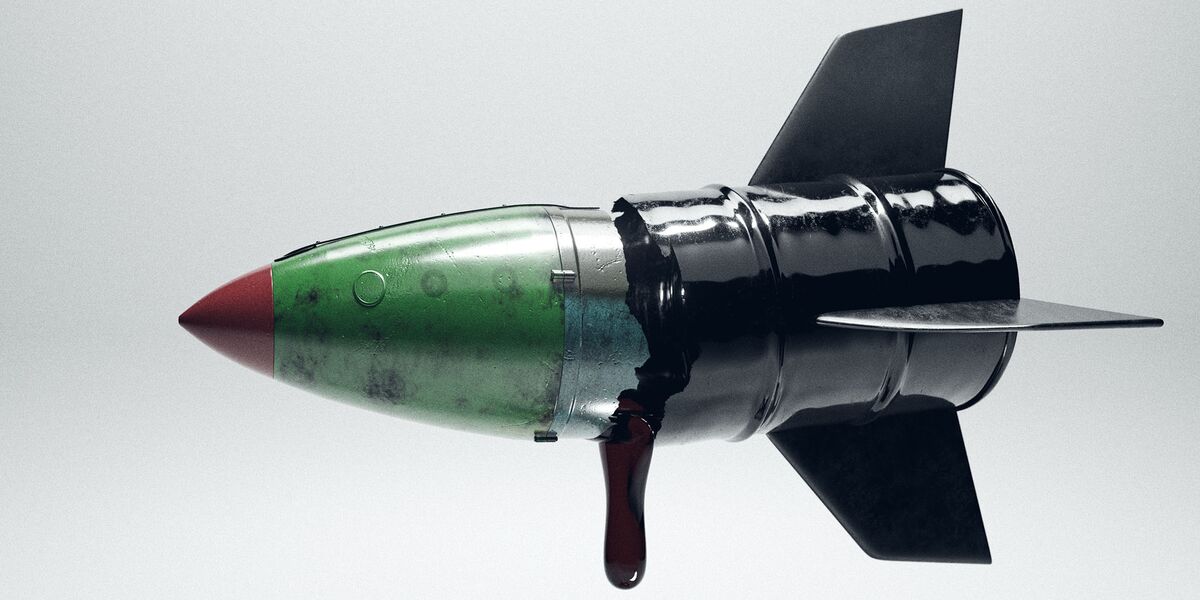
US oil producers are being pulled back into geopolitical headlines as Trump’s actions against two OPEC members heighten concern that the industry could again be seen as tied to war and foreign policy. The article argues this risks undoing some of the shale revolution’s benefits, which had made US energy supply more self-sufficient and pricing more predictable. The main implication is heightened uncertainty for energy markets rather than an immediate hard data shock.
The market is missing the most important second-order effect: geopolitical oil shocks no longer map cleanly into a sustained bullish move for US producers because shale has turned the US from a price taker into a politically constrained swing supplier. If conflict risk lifts crude, the first beneficiaries are not necessarily the E&Ps with the highest beta, but the integrated names and midstream assets that can monetize volume without taking as much commodity duration. The bigger implication is that higher prices may trigger an earlier-than-expected policy response from Washington to cap gasoline inflation, which historically matters more for equities than the initial crude spike.
The asymmetry is in timing. In the next 1-10 trading days, any escalation premium should support Brent, distillate cracks, tanker rates, and option implied vol across energy. Over 1-3 months, however, the probability rises that diplomacy, SPR signaling, or faster US supply response compresses the risk premium, especially if prices move into a politically sensitive range. That means the trade is likely better expressed as a tactical volatility event than a structural long crude view.
Second-order losers are industries with non-discretionary fuel exposure and weak pass-through: airlines, trucking, chemicals, and consumer staples with freight-sensitive margins. A more subtle beneficiary could be US refining if feedstock discounts persist while product prices reprice upward, but that only holds if domestic crude does not fully gap with global benchmarks. The contrarian point is that the market may overestimate the durability of a war premium in a world where US shale can respond in months, not years, and where politicians now intervene faster when pump prices threaten sentiment.
AI-powered research, real-time alerts, and portfolio analytics for institutional investors.
Request DemoOverall Sentiment
mildly negative
Sentiment Score
-0.20
