
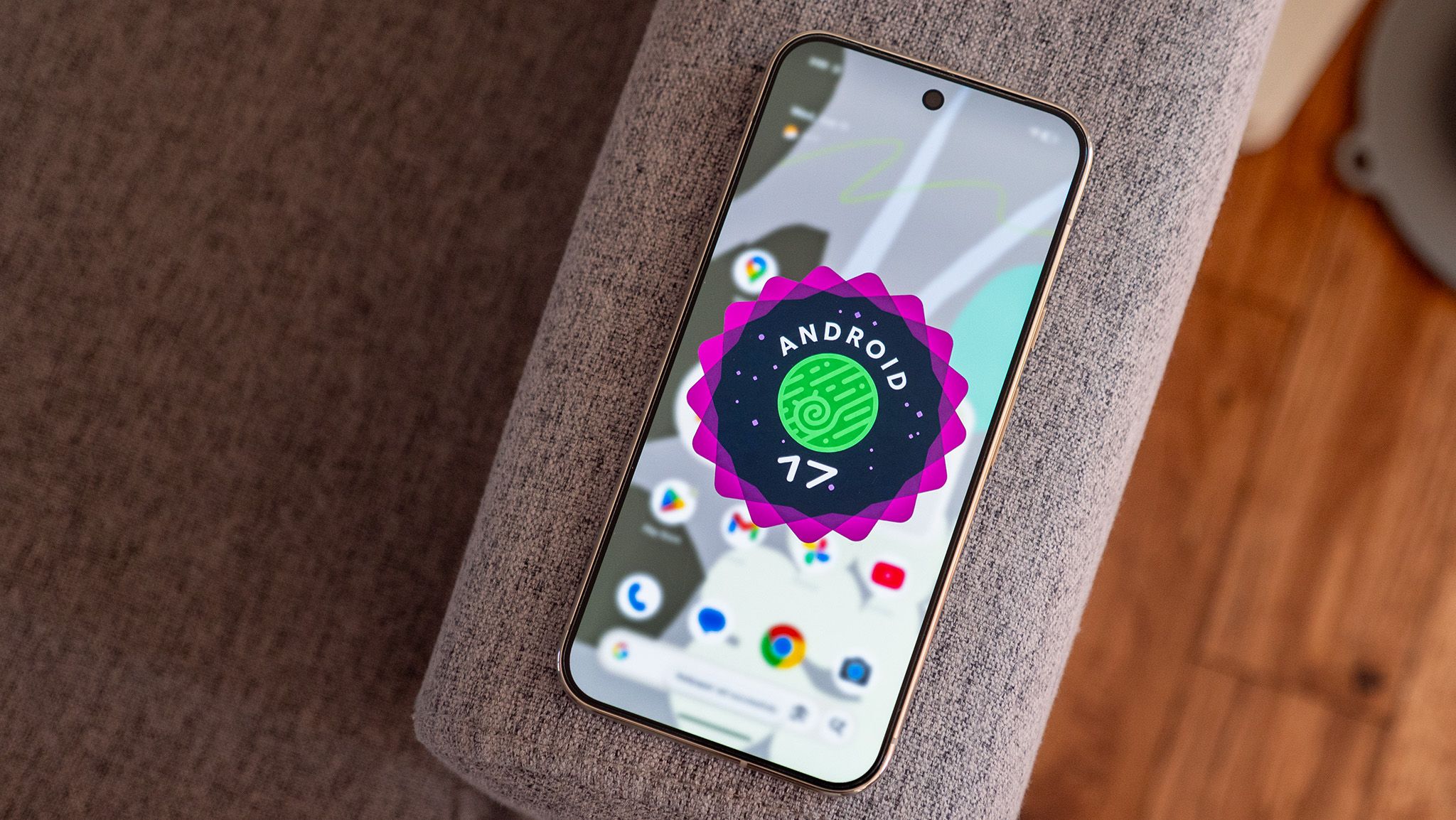
Google has begun rolling out Android 17 Beta 2 (build CP21.260206.011, ~510MB) to developers, addressing stability issues and introducing several new features including system-wide app bubbles with a taskbar bubble bar for large screens, a system-level read-only contact picker, Cross-device app Handoff for seamless task continuity, an EyeDropper API, and expanded SMS OTP and local network privacy protections. The update tightens privacy controls and enhances multitasking across Android devices; rollout is via the Android Beta Program with sideload or factory image options, and a stable Android 17 release is expected mid-2026.
Market structure: Google/Alphabet (GOOGL) and Android OEMs (esp. Samsung/Qualcomm supply chain) are the primary beneficiaries as system-level multitasking and cross-device Handoff raise Android UX parity with Apple (AAPL). App developers and browser/web fallback ecosystems gain optionality that can modestly increase engagement; near-term pricing power impact is small but incremental ARPU upside for Google services over 6–24 months is plausible (~low-single-digit % revenue lift if adoption is broad).
Risk assessment: Tail risks include regulator actions (EU/US privacy/antitrust) that could force technical changes or monetization limits, and operational risks from buggy rollouts degrading user sentiment; these are low probability but could compress GOOGL multiples by >5–10% if realized. Immediate effects are limited (days–weeks), with measurable developer adoption/telemetry visible in 30–90 days and potential revenue flow-through in 6–18 months; hidden dependency: OEM firmware timelines and app developer integration are gating factors.
Trade implications: Direct plays favor a modest long in GOOGL (platform revenue optionality) and select semiconductor exposure (QCOM) due to feature-driven device demand; avoid large AAPL hardware-tilt shorts—Apple’s ecosystem stickiness cushions risk. Options: use calendar or LEAP call spreads to express upside into mid-2026 stable release; look for pair trades that long GOOGL vs neutral/short hardware exposure if Pixel gains accelerate.
Contrarian angles: Consensus may overstate immediate revenue effects—histor precedents show Android UI features take 12–24 months to monetize materially, so near-term exuberance is likely underdone in options pricing but overdone in headlines. Unintended consequence: privacy APIs could raise integration friction for ad attribution, temporarily reducing ad CPMs; if that occurs, semis/OS winners could see delayed earnings benefit and GOOGL multiples may re-rate lower before improving.
AI-powered research, real-time alerts, and portfolio analytics for institutional investors.
Request TrialOverall Sentiment
neutral
Sentiment Score
0.18
Ticker Sentiment
