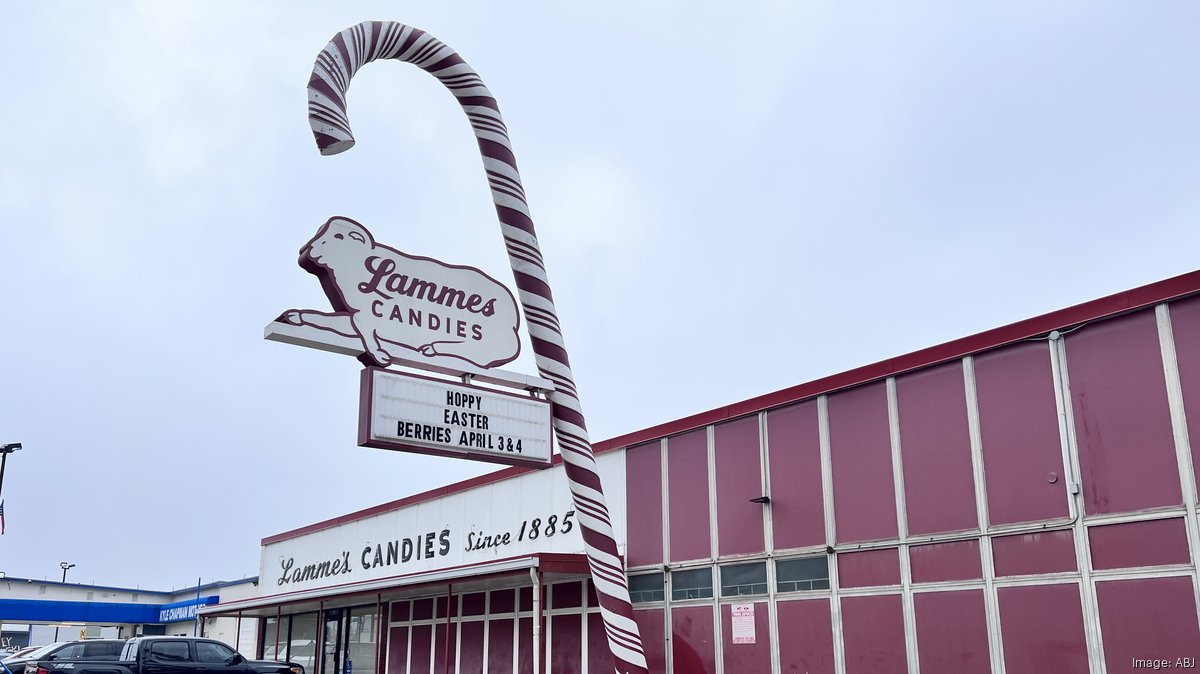
The Austin-based fifth-generation candy maker is closing, ending one of Austin's oldest businesses. The article indicates a negative business outcome for a long-standing local retailer/manufacturer, though no financial metrics or broader market implications are provided. Market impact is likely limited and primarily local.
This is less about one candy maker and more about the fragility of small, heritage consumer brands in a world where rent, labor, insurance, and distribution costs have outpaced the pricing power of legacy local businesses. The first-order impact is contained, but the second-order read-through is that independent confectionery and specialty snack names are under continued margin pressure unless they have either premiumization, direct-to-consumer reach, or a tourism-driven moat.
The likely beneficiaries are national confectionery and adjacent impulse-purchase platforms that can absorb demand from nostalgia buyers and capture shelf space if local wholesale relationships unwind. Over the next 6-18 months, expect a modest but real channel reallocation toward larger incumbents and private-label products, especially in regional grocers and gift channels where assortment rationalization tends to favor scale. The supply chain angle is also relevant: once a small processor exits, distributors often consolidate SKUs, which improves turns for the surviving brands but reduces total category diversity.
The broader signal for investors is that “family business closeout” events often foreshadow a wave of quiet restructuring across consumer staples and specialty retail rather than a clean demand collapse. The key catalyst is not this closure itself, but whether lease rollovers, wage resets, and debt maturities continue to force similar exits through year-end. If consumer spending softens further, the pressure will migrate from low-end discretionary into mid-tier premium brands that had been assuming stable trade-up behavior.
Contrarian view: the closure may be more idiosyncratic than thematic if the business had no scalable digital footprint and was effectively a fixed-cost museum piece. In that case, the market should avoid over-interpreting it as a bearish read on category demand; the real opportunity is to buy the names with national distribution and strong branding that can consolidate demand from niche operators without meaningful incremental capex.
AI-powered research, real-time alerts, and portfolio analytics for institutional investors.
Request DemoOverall Sentiment
moderately negative
Sentiment Score
-0.40
