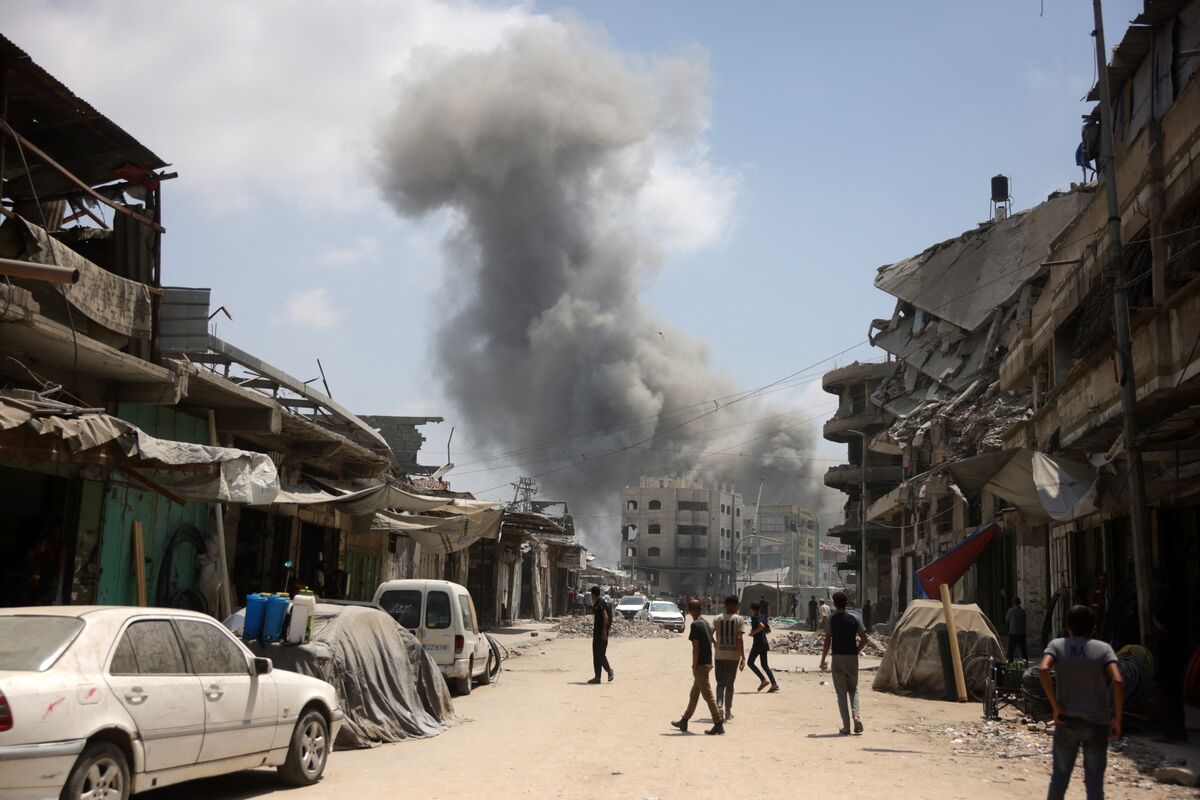
Israel's largest labor union, Histadrut, representing 850,000 members, has declined to join a proposed nationwide strike organized by hostage families protesting a military takeover of Gaza. This decision, citing concerns that union involvement would politicize the discourse on hostage return, significantly weakens the strike's potential impact and indicates a reluctance by a major labor organization to engage in politically charged actions related to the ongoing conflict.
The decision by Histadrut, Israel's largest labor union representing 850,000 members, to abstain from a general strike significantly mitigates a near-term risk of widespread economic disruption. This development, seen as moderately positive (sentiment score 0.4), averts a shutdown that would have impacted multiple sectors of the Israeli economy. The union's rationale—to avoid politicizing the hostage crisis—reveals a critical fracture in the domestic opposition to the government's war strategy in Gaza. While the immediate threat of a strike has receded, the event highlights the persistent and deep-seated internal political tensions surrounding the conflict. The moderate market impact score of 0.55 suggests that while a major economic crisis was avoided, the underlying geopolitical and domestic political risks remain a key concern for markets, preventing a more significant positive reaction.
AI-powered research, real-time alerts, and portfolio analytics for institutional investors.
Request DemoOverall Sentiment
moderately positive
Sentiment Score
0.40
