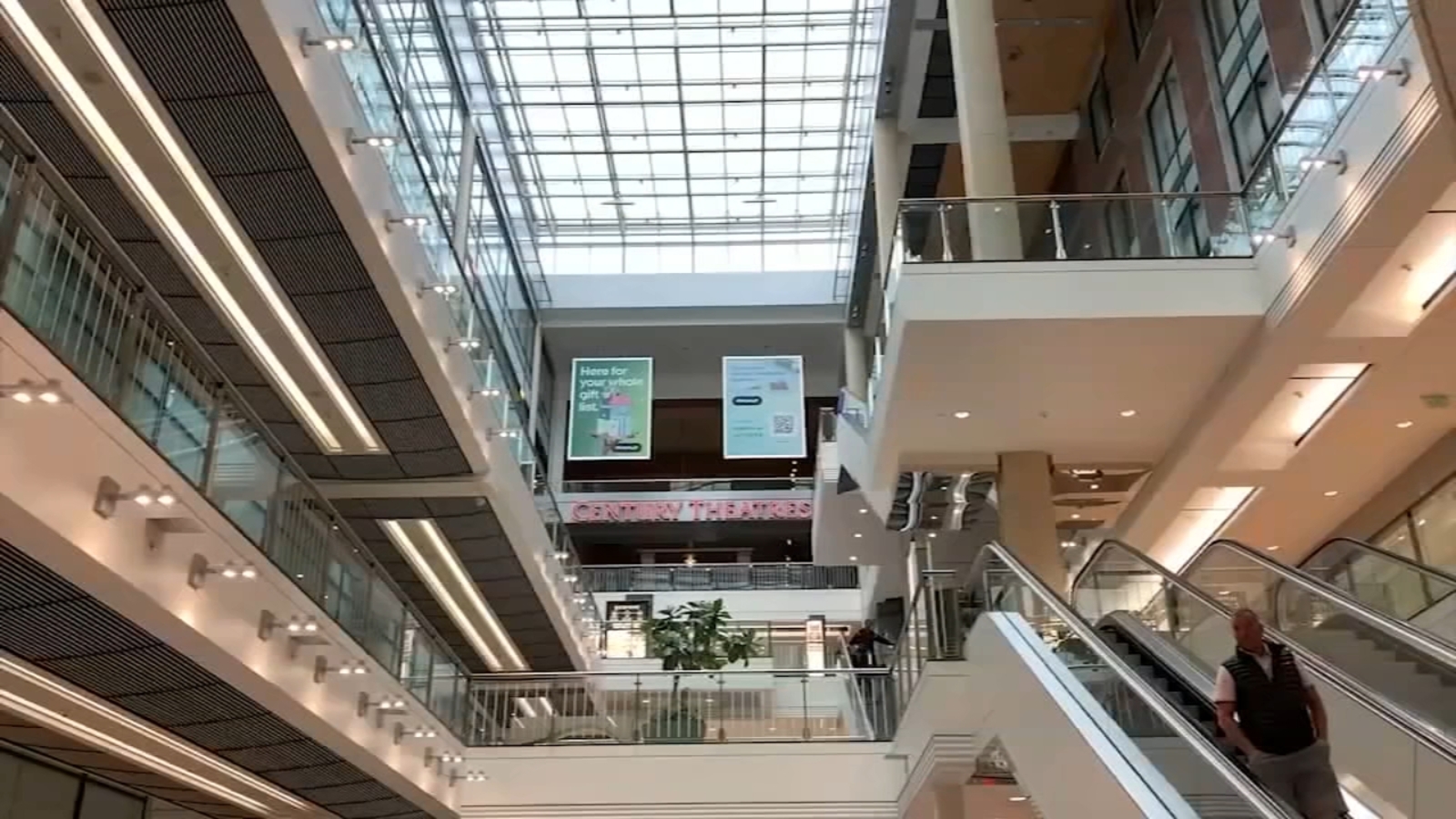
San Francisco Centre, a longstanding downtown mall, has closed permanently after nearly 40 years following years of slowing business and a recent foreclosure auction in which new owners ended remaining tenant leases. The shutdown highlights ongoing weakness in urban retail and commercial real estate in San Francisco and could lead to market-driven redevelopment or distress-driven investment opportunities that investors and real-estate-focused funds should monitor.
Market structure: The permanent closure of an anchor urban mall accelerates a multi-year shift of demand away from enclosed regional/flagship malls toward logistics, grocery-anchored strip centers and mixed‑use redevelopment. Direct beneficiaries: industrial/logistics REITs (Prologis PLD), grocery-anchored/recession‑resilient landlords (Realty Income O), and asset‑managers with redevelopment balance sheets (Brookfield BAM). Direct losers: mall‑focused REITs (Macerich MAC, PREIT PEI) and local CMBS exposures; expect localized vacancy-driven rent declines of 10–30% for similar urban malls within 12–24 months.
Risk assessment: Tail risks include municipal zoning or affordable‑housing mandates that inflate redevelopment costs by 20–50%, litigation from displaced tenants, and contagion into CMBS/regional bank loan books amplifying spreads by 100–300bps if multiple flagship closures follow. Immediate (days–weeks): tenant eviction, foreclosure legal costs; short (months): vacancy/reporting hits in REIT Qs; long (1–3 yrs): rezoning/redevelopment capex cycles and interest‑rate sensitivity to refinancing. Hidden dependency: viability of conversion hinges on parking, seismic remediation, and entitlement timelines that can derail cashflow for 12+ months.
Trade implications: Tactical trades: short mall‑REIT exposure and hedge with long industrial/logistics and selected opportunistic developers. Preferred instruments: buy 6–12 month puts on MAC (25–35% OTM) or establish a 2–3% portfolio short in MAC via shares/options; allocate 1–2% long PLD and 1–2% long O for defensive yield, and 1% long BAM for redevelopment optionality. Hedge CRE tail risk by buying 3–6 month put spreads on the iShares CMBS ETF (CMBS) sized to cover 1–2% portfolio CRE exposure.
Contrarian angles: Consensus focuses on vacancy; underappreciated is land value in dense cities — converted parcels can yield outsized IRR if entitlements are favorable, creating binary upside. If SF (or similar cities) eases zoning/permits in next 90 days, redevelopers (BAM) and higher‑quality landlords (SPG) could reprice up 20–40% over 12–36 months. Conversely, if interest rates remain >4.5% and entitlement costs rise, mall REIT distress could cascade; position sizes should be sized for optionality, not directional overweights.
AI-powered research, real-time alerts, and portfolio analytics for institutional investors.
Request DemoOverall Sentiment
moderately negative
Sentiment Score
-0.40
