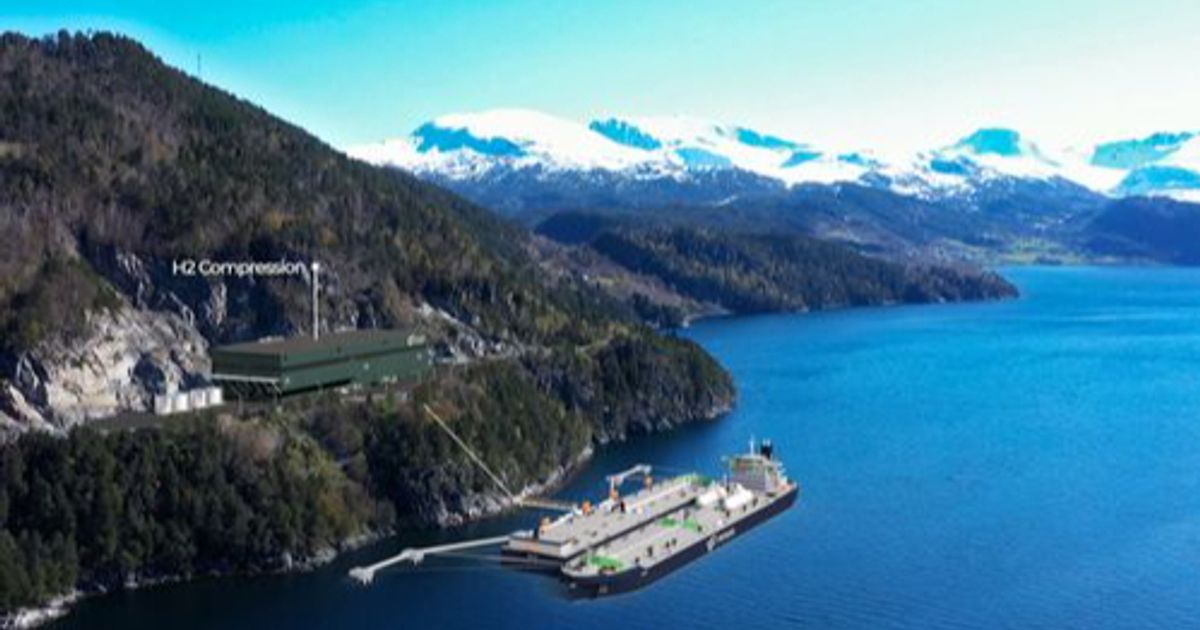
The article focuses on Provaris Energy’s effort to monetise hydrogen infrastructure networks rather than the molecules themselves. It frames the company’s strategy around the need for transport and storage infrastructure in the hydrogen economy, but provides no financial results, guidance, or transaction details. The piece is largely conceptual and company-specific, suggesting limited immediate market impact.
The market is still valuing hydrogen like a commodity story, but the economically scarce layer is shifting to logistics, compression, storage, and terminal access. If the molecule only becomes tradable once infrastructure exists, then the near-term value capture should migrate from producers to the owners of the bottleneck assets and engineering standards that make delivery bankable. That creates a different winner set than the usual electrolyzer/producer basket: firms with site control, permitting momentum, and shipping/handling know-how can re-rate before any meaningful hydrogen volumes exist.
The second-order effect is that infrastructure scarcity may slow the pace of green-hydrogen demand realization rather than accelerate it. In the next 12–24 months, capital allocation risk is likely to favor integrated energy players and industrial gas incumbents over pure-play hydrogen developers, because customers will pay for reliability and delivered cost, not production ambition. That makes “hydrogen infrastructure” a potential consolidation theme: early movers with physical assets could become toll collectors while weaker developers face dilution, project delays, or asset sales at lower valuations.
The main catalyst risk is timing. If policy support or offtake announcements are thin, the equity can underperform for quarters even if the long-term thesis is directionally right, since infrastructure projects have long permit and build cycles. Conversely, any evidence of contracted utilization or strategic partnerships with utilities/shipping operators would force a fast de-risking of the bear case, because the market will likely reprice optionality on credible cash-flow visibility rather than volume hype.
The contrarian view is that the hydrogen trade may be too crowded on production and too under-owned on enabling infrastructure. If investors are extrapolating a fast commodity buildout, they may be missing that the first durable margins accrue to network owners, not molecule makers. The opportunity is to express that gap through pairs that favor established industrial gas, ports, and midstream-adjacent names over unproven hydrogen developers.
AI-powered research, real-time alerts, and portfolio analytics for institutional investors.
Request DemoOverall Sentiment
neutral
Sentiment Score
0.10
