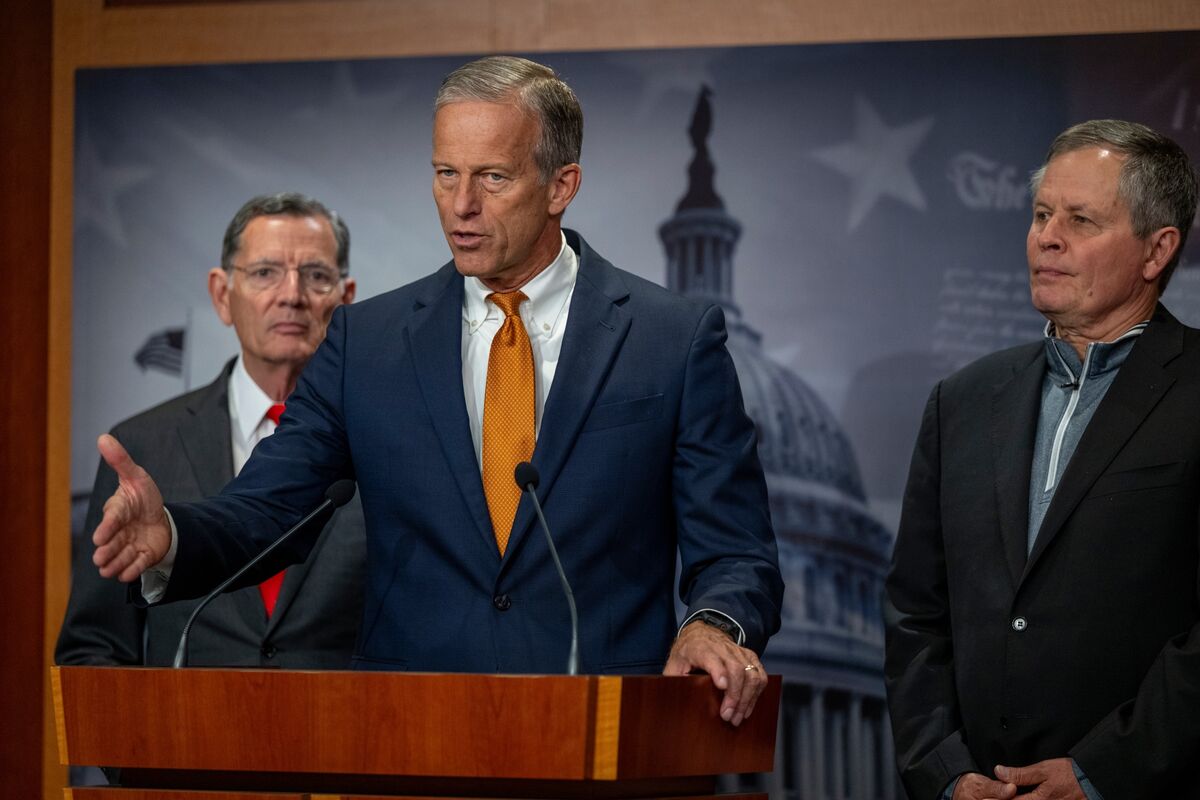
The U.S. federal government faces a looming shutdown by the October 1st deadline as Congress struggles to agree on a funding bill. While the Republican-led House passed a stopgap measure extending funding through November 21st, it lacks the necessary Democratic support in the Senate. Democrats are demanding the inclusion of extended Affordable Care Act premium subsidies, a reversal of Medicaid cuts, and new restrictions on presidential spending impoundment powers, creating a political standoff that could disrupt federal operations and key social programs.
The U.S. financial markets face heightened uncertainty from a looming federal government shutdown by the October 1st deadline, an event characterized as increasingly routine. A stopgap funding bill passed by the Republican-led House, which would extend funding through November 21, is unlikely to pass the Senate without Democratic support. The impasse is rooted in policy disagreements, with Democrats demanding the inclusion of extended Affordable Care Act (ACA) premium subsidies and the reversal of recent Medicaid funding cuts. This places the healthcare sector at the epicenter of the political conflict, creating specific risk for entities reliant on this government spending. The situation reflects a pattern of legislative brinkmanship that injects periodic volatility into the market, underscored by a moderately negative sentiment score (-0.5) and a significant market impact score (0.6), suggesting investor concern over potential disruptions to federal operations and economic activity.
AI-powered research, real-time alerts, and portfolio analytics for institutional investors.
Request DemoOverall Sentiment
moderately negative
Sentiment Score
-0.50
