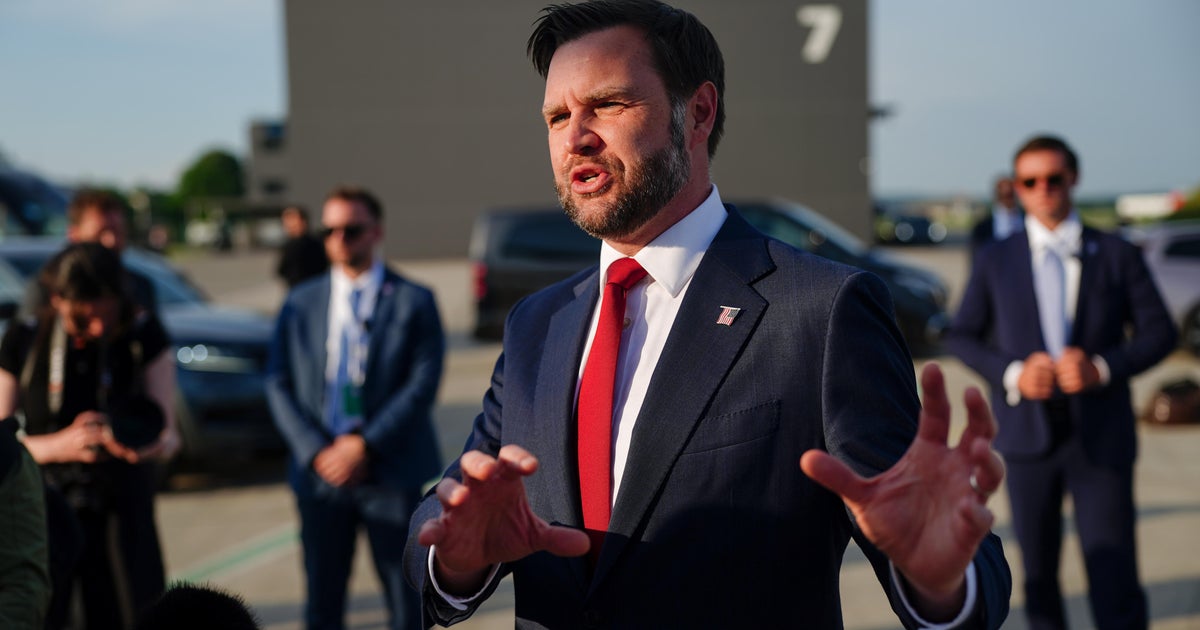
Vice President JD Vance said U.S.-Iran talks in Switzerland made "very, very good" progress, including Iran allowing nuclear inspectors back into the country. The reported MOU could lift sanctions, reopen Iranian oil sales, and potentially bring hundreds of billions of dollars into rebuilding efforts, while Vance said about 15 million barrels of oil were released and gas prices should keep falling. Texas Senators John Cornyn and Ted Cruz publicly criticized the deal, underscoring political resistance even as inspections and de-escalation appear to be advancing.
The immediate market read-through is not a generic “peace premium” but a regime shift in supply credibility. If inspectors truly return and the Strait remains open, the market starts pricing a lower geopolitical risk floor, which compresses crude volatility first and spot prices second; that usually hits energy equities, tanker insurance, and defense names before it materially changes consumer inflation prints. The second-order winner is anything levered to input-cost relief and freight normalization, while the biggest loser is the persistent scarcity bid embedded in oil and refined products.
The more interesting trade is that this is asymmetric on timing: headline-driven oil downdrafts can happen in days, but any actual easing of sanctions, capital inflows, or Iranian export normalization would take months and remain fragile. That creates a setup where the market may over-discount durable barrels while underestimating the probability of a failed implementation, especially given domestic political resistance and the high chance of an inspection dispute becoming the next escalation trigger.
The consensus is likely missing that lower crude is not uniformly bullish. Cheaper gasoline can modestly extend the macro cycle and ease consumer pressure, but it also removes urgency for emergency diplomacy, which increases the odds of a stop-start negotiation path rather than a clean resolution. In that environment, realized volatility in oil is a better expression than outright directional shorts, because the most likely outcome is a trading range with sharp upside gaps on any inspection or compliance breakdown.
AI-powered research, real-time alerts, and portfolio analytics for institutional investors.
Request DemoOverall Sentiment
neutral
Sentiment Score
0.05
